- Today
- Holidays
- Birthdays
- Reminders
- Cities
- Atlanta
- Austin
- Baltimore
- Berwyn
- Beverly Hills
- Birmingham
- Boston
- Brooklyn
- Buffalo
- Charlotte
- Chicago
- Cincinnati
- Cleveland
- Columbus
- Dallas
- Denver
- Detroit
- Fort Worth
- Houston
- Indianapolis
- Knoxville
- Las Vegas
- Los Angeles
- Louisville
- Madison
- Memphis
- Miami
- Milwaukee
- Minneapolis
- Nashville
- New Orleans
- New York
- Omaha
- Orlando
- Philadelphia
- Phoenix
- Pittsburgh
- Portland
- Raleigh
- Richmond
- Rutherford
- Sacramento
- Salt Lake City
- San Antonio
- San Diego
- San Francisco
- San Jose
- Seattle
- Tampa
- Tucson
- Washington
How One Molecular Bond Makes Spider Silk Stronger Than Steel
A groundbreaking study reveals the secret behind the incredible strength of spider silk.
Apr. 10, 2026 at 4:42pm
Got story updates? Submit your updates here. ›
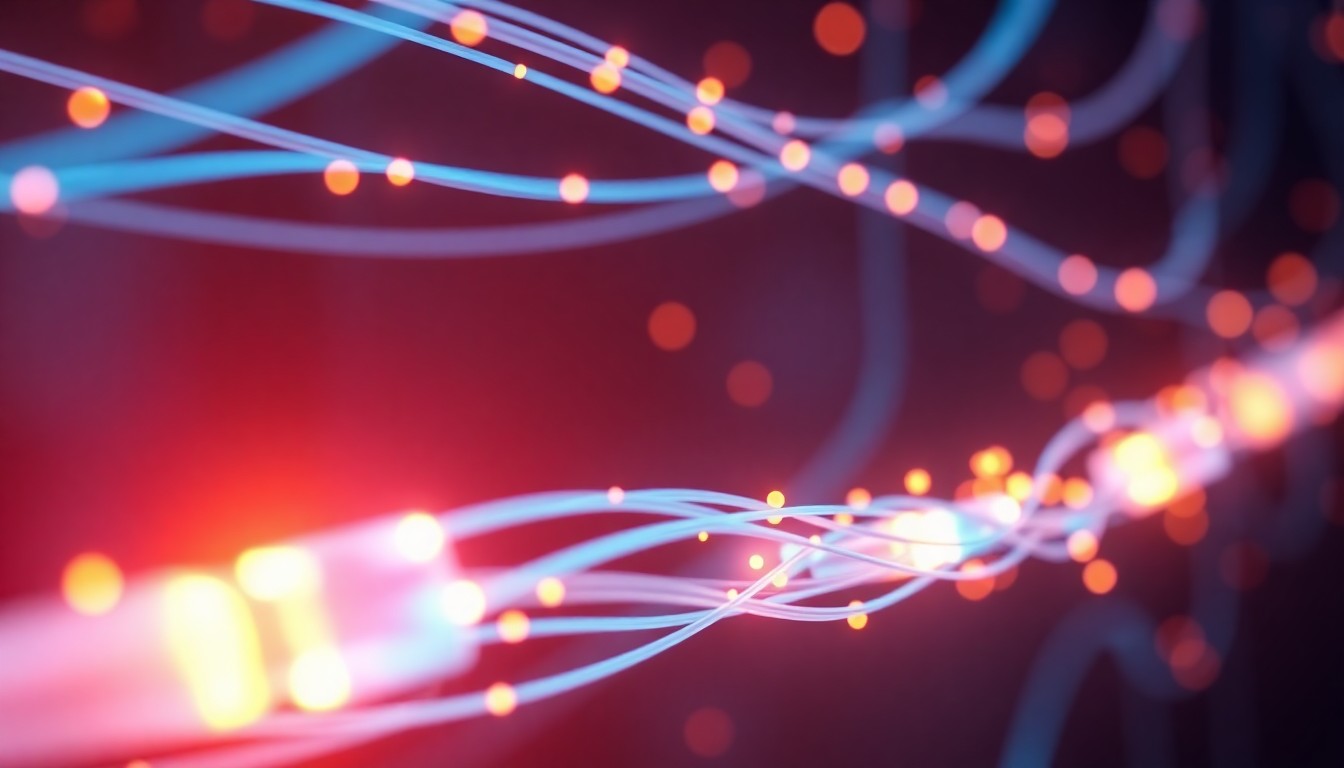
 A visualization of the intricate molecular bonds that give spider silk its unparalleled strength, hinting at the potential for biomimicry in materials engineering.Toledo Today
Researchers have uncovered the molecular magic behind spider silk's incredible strength - a stubborn chemical attraction between two amino acids that link protein chains together as the silk begins to solidify. This discovery offers a roadmap for creating next-generation synthetic fibers, but also raises questions about whether human engineering can truly replicate nature's precision.
Why it matters
Understanding the molecular structure of spider silk could lead to breakthroughs in creating ultra-strong, lightweight, and biodegradable materials for applications like bulletproof vests, medical implants, and more. It also provides insights into protein behavior in diseases like Alzheimer's, where proteins harden into harmful clumps.
The details
Inside a spider's gland, silk proteins are stored as a thick liquid called 'silk dope.' When spinning begins, chemical conditions shift, and phosphate ions push the amino acid arginine toward tyrosine, strengthening their bond and encouraging protein droplets to form. These droplets act as a template, guiding the proteins as they tighten into a finished thread. The same bond that initiates droplet formation also ensures the thread's strength and flexibility - loose regions stay flexible, while repeated links create tougher zones.
- Researchers used computer simulations to map the silk's structure, revealing the role of phosphate ions.
- The study was conducted by a team at King's College London and published in 2026.
The players
King's College London
A public research university in London, England, known for its groundbreaking research in various scientific fields.
Arginine
An amino acid that plays a key role in the molecular structure of spider silk, forming strong bonds with tyrosine.
Tyrosine
An amino acid that, when bonded with arginine, helps create the strength and flexibility of spider silk.
What’s next
Researchers will continue to explore how the precise molecular structure of spider silk can be replicated in synthetic materials, with the goal of creating the next generation of high-performance, eco-friendly fibers.
The takeaway
This breakthrough in understanding the molecular basis of spider silk's incredible strength and flexibility opens up new possibilities for creating innovative materials that could revolutionize industries ranging from defense to medicine. However, the challenge remains in replicating nature's precision in a lab setting.
Toledo top stories


Toledo events

Apr. 10, 2026
Toledo Walleye vs. Cincinnati Cyclones
Apr. 10, 2026
Toledo Mudhens vs. St. Paul Saints
Apr. 10, 2026
The Great Gatsby (Touring)