- Today
- Holidays
- Birthdays
- Reminders
- Cities
- Atlanta
- Austin
- Baltimore
- Berwyn
- Beverly Hills
- Birmingham
- Boston
- Brooklyn
- Buffalo
- Charlotte
- Chicago
- Cincinnati
- Cleveland
- Columbus
- Dallas
- Denver
- Detroit
- Fort Worth
- Houston
- Indianapolis
- Knoxville
- Las Vegas
- Los Angeles
- Louisville
- Madison
- Memphis
- Miami
- Milwaukee
- Minneapolis
- Nashville
- New Orleans
- New York
- Omaha
- Orlando
- Philadelphia
- Phoenix
- Pittsburgh
- Portland
- Raleigh
- Richmond
- Rutherford
- Sacramento
- Salt Lake City
- San Antonio
- San Diego
- San Francisco
- San Jose
- Seattle
- Tampa
- Tucson
- Washington
North Canton Today
By the People, for the People
More EV Models Can Power Homes During Blackouts
As extreme weather stresses power grids, electric vehicles are increasingly serving as backup batteries for drivers.
Published on Feb. 11, 2026
Got story updates? Submit your updates here. ›
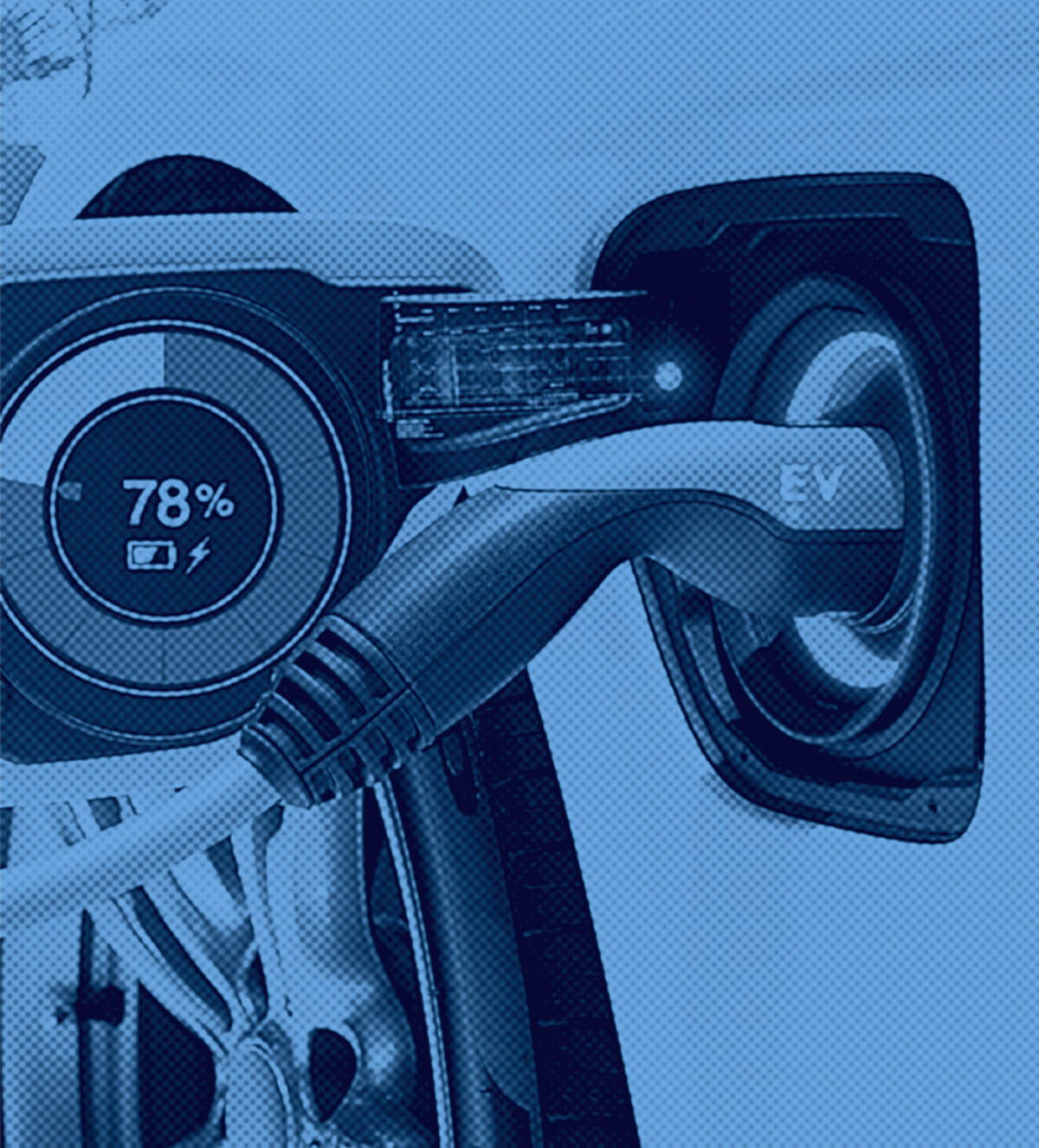
With more electric vehicle models offering bidirectional charging capabilities, EV owners are using their cars to power their homes during blackouts caused by extreme weather events. As ice, snow, and bitter cold have stressed America's power infrastructure, electric vehicles have become emergency power sources, shifting from transportation to backup batteries for a growing number of drivers.
Why it matters
As climate change leads to more frequent and severe weather events, the ability of electric vehicles to serve as backup power sources for homes is becoming increasingly important. This trend highlights how EVs can provide energy resilience and help mitigate the impact of power outages on communities.
The details
About 630,000 electric cars and trucks in the U.S. now have bidirectional charging capabilities strong enough to power a home or apartment. One in five EVs purchased in the last quarter had vehicle-to-home (V2H) capabilities, and analysts say the feature will soon be standard. Currently, about 14 of the 70 EV models available in the U.S. offer bidirectional charging, including models from GM, Hyundai, Kia, Volvo, BMW, Tesla, and Rivian. Even EVs without full home backup capabilities can still be used to power essential devices like phones, coffee makers, and medical equipment.
- In recent weeks, electric vehicles have filled in as emergency power sources as ice, snow and bitter cold stressed America's power infrastructure.
- Last week, as outages hit different parts of the country, Ford said usage of its systems that connect vehicles to home electrical panels quadrupled.
The players
Keith McGrew
A 46-year-old resident of West Monroe, Louisiana who used his Ford F-150 Lightning pickup truck to power his home during a recent blackout.
John Halkias
An owner of a 2024 Ford Lightning pickup who was able to power critical systems in his North Canton, Ohio home during a snowstorm.
Kim Mestre
A remote worker in Alexandria, Virginia who planned to use her 2025 Hyundai Ioniq to power her coffee grinder and electric kettle during a power outage.
Jim Farley
The CEO of Ford, who has touted the company's systems that connect its vehicles to home electrical panels.
Albert Cabanes
A spokesman for Wallbox NV, a company that makes chargers that can send power in both directions.
What they’re saying
“We were like, screw it. We got electricity and we can run all day long.”
— Keith McGrew
“It's a great peace of mind. I would say we could keep things going for a minimum of five to seven days with the truck alone.”
— John Halkias
“For me, it was: charge my phone and give me coffee, that's all I really need in life.”
— Kim Mestre
“Beyond mobility, the car becomes the largest battery most households will ever own.”
— Albert Cabanes, Spokesman, Wallbox NV
“Vehicle-to-grid pilot programs are 'the future of energy resilience.'”
— GM
What’s next
GM, utility companies, and charging infrastructure providers are developing plans to tap into electric vehicles en masse to help shore up power supply on the American grid, which is increasingly stressed by data center demand and extreme weather.
The takeaway
As extreme weather events become more frequent, the ability of electric vehicles to serve as backup power sources for homes is proving to be an increasingly valuable feature that can enhance energy resilience and help mitigate the impact of power outages on communities.