- Today
- Holidays
- Birthdays
- Reminders
- Cities
- Atlanta
- Austin
- Baltimore
- Berwyn
- Beverly Hills
- Birmingham
- Boston
- Brooklyn
- Buffalo
- Charlotte
- Chicago
- Cincinnati
- Cleveland
- Columbus
- Dallas
- Denver
- Detroit
- Fort Worth
- Houston
- Indianapolis
- Knoxville
- Las Vegas
- Los Angeles
- Louisville
- Madison
- Memphis
- Miami
- Milwaukee
- Minneapolis
- Nashville
- New Orleans
- New York
- Omaha
- Orlando
- Philadelphia
- Phoenix
- Pittsburgh
- Portland
- Raleigh
- Richmond
- Rutherford
- Sacramento
- Salt Lake City
- San Antonio
- San Diego
- San Francisco
- San Jose
- Seattle
- Tampa
- Tucson
- Washington
North Canton Today
By the People, for the People
More EV Models Can Power Homes During Blackouts
Electric vehicles are becoming emergency power sources as extreme weather stresses the grid.
Published on Feb. 11, 2026
Got story updates? Submit your updates here. ›
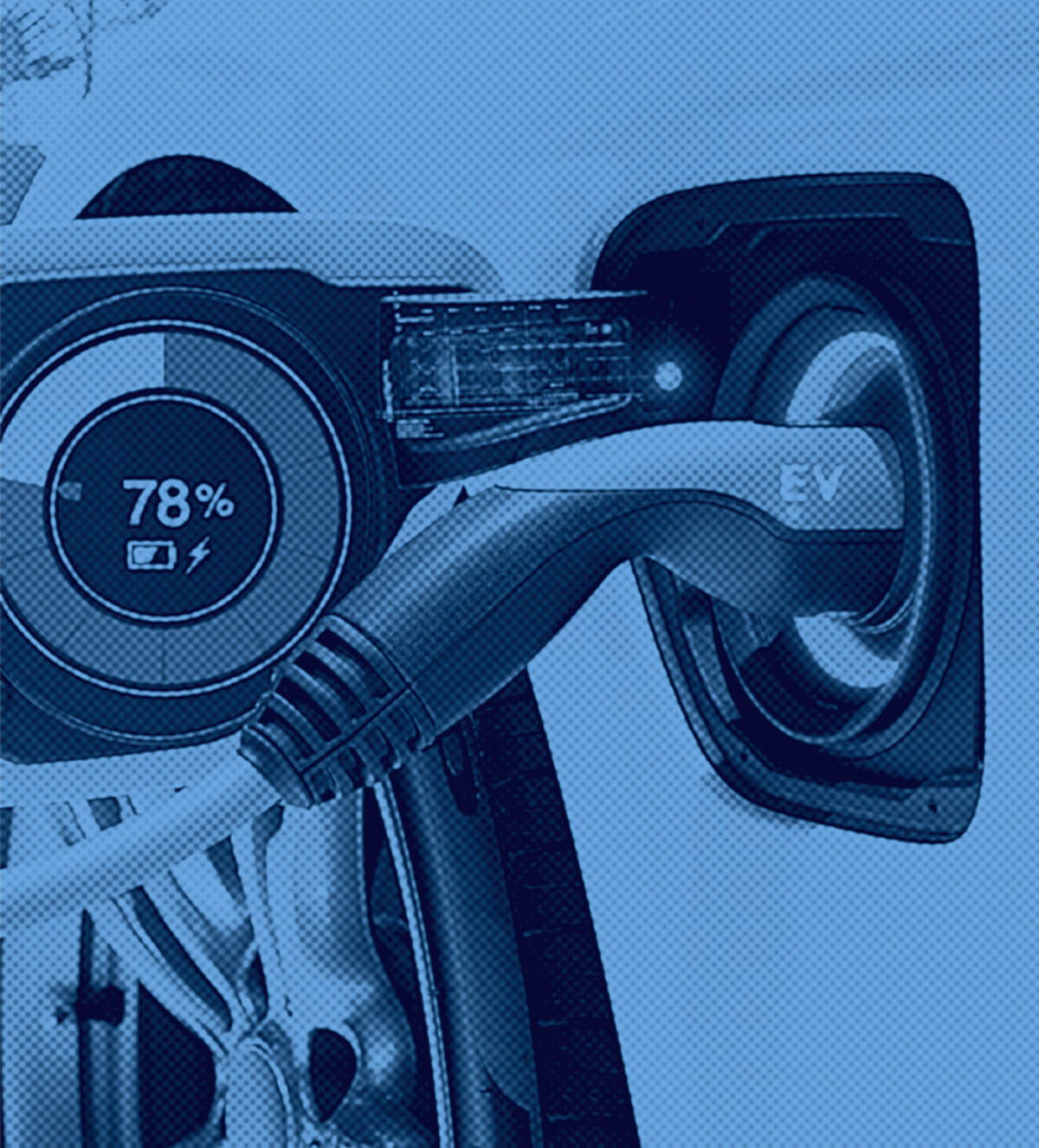
As ice, snow and bitter cold have stressed America's power infrastructure in recent weeks, electric vehicles have filled in as emergency power sources, shifting from transportation to 6,000-pound backup batteries for a growing share of drivers. U.S. drivers have bought about 630,000 electric cars and trucks capable of discharging electricity at levels strong enough to power a home or apartment, and that figure is rising quickly.
Why it matters
With the American power grid increasingly stressed by data center demand and extreme weather exacerbated by climate change, electric vehicles are proving to be a valuable emergency power source for homeowners during blackouts. This capability is helping to address concerns about EV adoption and is being embraced by utility executives and grid operators as they look to tap into EVs to shore up power supply.
The details
About 14 of the 70 or so EV models available in the U.S. offer bidirectional charging, allowing drivers to power their homes from their vehicles. Every auto in the General Motors product line can power a home, as will high-end models from Hyundai, Kia and Volvo. Ford's F-150 Lightning pickup, of which there are 101,000 in U.S. driveways, has served as a power source during recent blackouts, with Ford's home charging system kicking on about four times a year on average, but quadrupling in usage last week.
- In recent weeks, as ice, snow and bitter cold have stressed America's power infrastructure.
- About 630,000 electric cars and trucks capable of discharging electricity have been bought by U.S. drivers.
- One in five EVs purchased in the last quarter had vehicle-to-home capabilities.
- Ford's home charging system kicks on about four times a year on average, but quadrupled in usage last week.
The players
Keith McGrew
A 46-year-old resident of West Monroe, Louisiana who powered his home for days during a recent blackout using his Ford F-150 Lightning pickup truck.
John Halkias
A North Canton, Ohio resident who used his 2024 Ford Lightning to power critical systems in his home during a snowstorm.
Kim Mestre
A remote worker in Alexandria, Virginia who planned to use her 2025 Hyundai Ioniq to power her coffee grinder and electric kettle during a power outage.
Jim Farley
The CEO of Ford, who has touted the company's system that connects its vehicles to a home's electrical panel, allowing them to act as backup power sources.
Albert Cabanes
A spokesman for Wallbox NV, a company that makes chargers that can send power in both directions, who says the car is becoming the largest battery most households will own.
What they’re saying
“We were like, screw it. We got electricity and we can run all day long.”
— Keith McGrew
“It's a great peace of mind. I would say we could keep things going for a minimum of five to seven days with the truck alone.”
— John Halkias
“Beyond mobility, the car becomes the largest battery most households will ever own.”
— Albert Cabanes, Spokesman, Wallbox NV
What’s next
GM says vehicle-to-grid pilot programs are 'the future of energy resilience,' and Wallbox envisions a world in which millions of connected EVs take the place of a nuclear power plant.
The takeaway
The ability of electric vehicles to power homes during blackouts is helping to address concerns about EV adoption and is being embraced by utility executives and grid operators as they look to tap into EVs to shore up power supply on an American grid increasingly stressed by extreme weather.