- Today
- Holidays
- Birthdays
- Reminders
- Cities
- Atlanta
- Austin
- Baltimore
- Berwyn
- Beverly Hills
- Birmingham
- Boston
- Brooklyn
- Buffalo
- Charlotte
- Chicago
- Cincinnati
- Cleveland
- Columbus
- Dallas
- Denver
- Detroit
- Fort Worth
- Houston
- Indianapolis
- Knoxville
- Las Vegas
- Los Angeles
- Louisville
- Madison
- Memphis
- Miami
- Milwaukee
- Minneapolis
- Nashville
- New Orleans
- New York
- Omaha
- Orlando
- Philadelphia
- Phoenix
- Pittsburgh
- Portland
- Raleigh
- Richmond
- Rutherford
- Sacramento
- Salt Lake City
- San Antonio
- San Diego
- San Francisco
- San Jose
- Seattle
- Tampa
- Tucson
- Washington
Kansas Today
By the People, for the People
Four More States to Restrict SNAP Purchases of Sugary Drinks and Snacks
New rules banning soda, candy, and energy drinks from SNAP benefits take effect in Colorado, Florida, Texas, and West Virginia in April 2026.
Mar. 29, 2026 at 2:20pm
Got story updates? Submit your updates here. ›
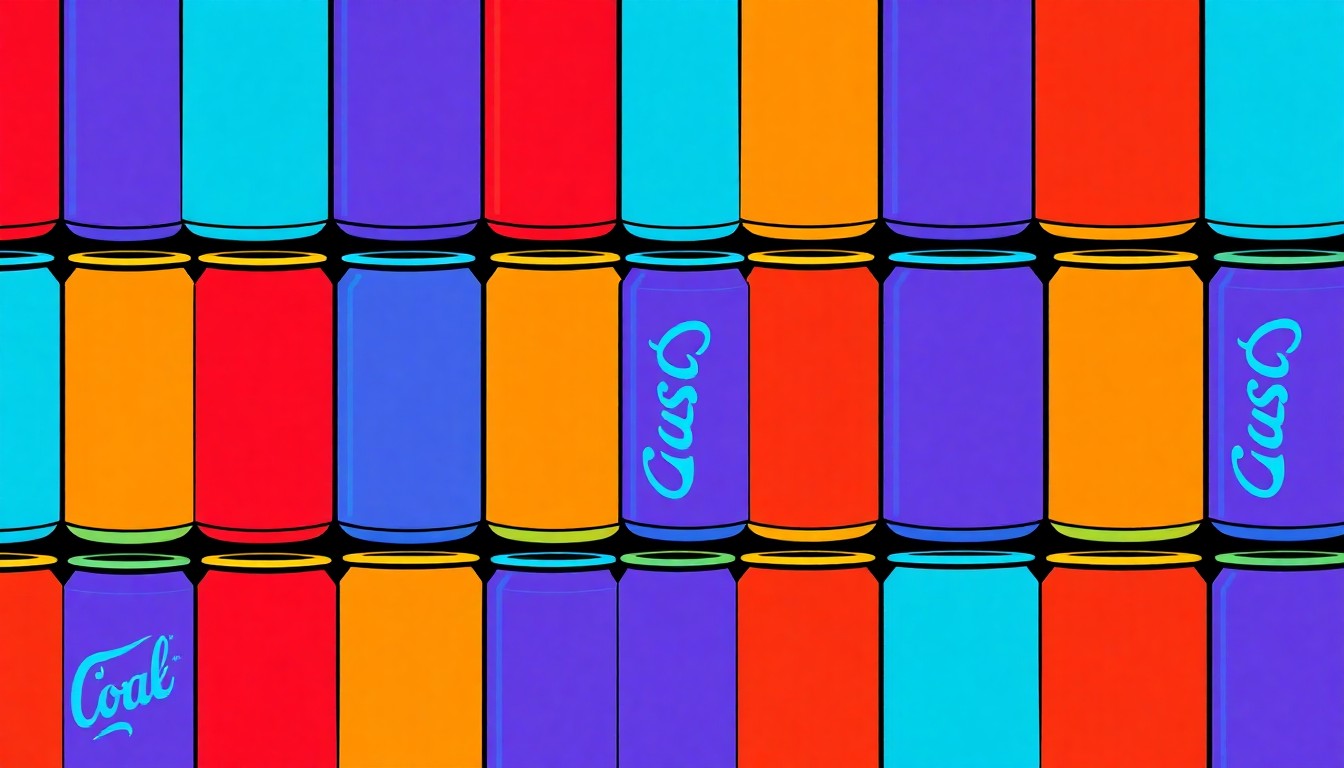 The growing restrictions on SNAP recipients' ability to purchase sugary drinks and snacks aim to improve nutrition, but critics argue the rules unfairly target low-income Americans.Kansas Today
The movement to restrict what Supplemental Nutrition Assistance Program (SNAP) recipients can purchase with their benefits is expanding, with four more states - Colorado, Florida, Texas, and West Virginia - set to implement new rules in April 2026 that will ban the use of SNAP funds to buy soda, candy, energy drinks, and other sugary items deemed 'non-nutritious'.
Why it matters
Proponents of the new restrictions say they are aimed at improving the health of low-income Americans by limiting access to unhealthy foods and drinks. However, critics argue the rules unfairly target and stigmatize SNAP recipients, while not addressing broader societal issues around nutrition and access to healthy foods.
The details
The new state-level restrictions build on existing federal rules that already prohibit SNAP recipients from using their benefits to purchase non-food items, alcohol, tobacco, and hot prepared foods. The upcoming state-level bans will specifically target sugary beverages and snacks, with Colorado and West Virginia prohibiting soda purchases, Florida banning energy drinks and candy in addition to soda, and Texas restricting any sweetened drinks with over 5 grams of added sugar or artificial sweeteners.
- The new SNAP purchase restrictions in Colorado, Florida, Texas, and West Virginia will take effect in April 2026.
- Virginia had originally planned to implement new SNAP restrictions in April 2026 but has pushed the target implementation date to October 2026.
The players
USDA
The United States Department of Agriculture, which oversees the Supplemental Nutrition Assistance Program (SNAP) and has granted waivers to 22 states to implement additional restrictions on what can be purchased with SNAP benefits.
Brooke Rollins
The current Secretary of the USDA, who stated the new state-level SNAP restrictions will 'empower states to lead' and 'protect our children from the dangers of highly-processed foods'.
Chris Bernard
A representative from Hunger Free Oklahoma, who criticized the SNAP restrictions as 'an opportunity to say you're doing something, while really just stigmatizing a single group of people for choices that everybody in America really makes'.
What they’re saying
“'With these new waivers, we are empowering states to lead, protecting our children from the dangers of highly-processed foods, and moving one step closer to the President's promise to Make America Healthy Again.'”
— Brooke Rollins, USDA Secretary
“'It's an opportunity to say you're doing something, while really just stigmatizing a single group of people for choices that everybody in America really makes.'”
— Chris Bernard, Hunger Free Oklahoma Representative
What’s next
The new SNAP purchase restrictions in Colorado, Florida, Texas, and West Virginia are scheduled to take effect in April 2026, while Virginia has pushed its implementation date to October 2026. The USDA will continue to evaluate additional state waiver requests to limit what can be bought with SNAP benefits.
The takeaway
The growing movement to restrict SNAP recipients from purchasing sugary drinks and snacks highlights the ongoing debate around nutrition, health, and the role of government assistance programs. While proponents argue the rules will improve public health, critics contend the restrictions unfairly target low-income Americans and fail to address broader societal factors contributing to poor dietary choices.