- Today
- Holidays
- Birthdays
- Reminders
- Cities
- Atlanta
- Austin
- Baltimore
- Berwyn
- Beverly Hills
- Birmingham
- Boston
- Brooklyn
- Buffalo
- Charlotte
- Chicago
- Cincinnati
- Cleveland
- Columbus
- Dallas
- Denver
- Detroit
- Fort Worth
- Houston
- Indianapolis
- Knoxville
- Las Vegas
- Los Angeles
- Louisville
- Madison
- Memphis
- Miami
- Milwaukee
- Minneapolis
- Nashville
- New Orleans
- New York
- Omaha
- Orlando
- Philadelphia
- Phoenix
- Pittsburgh
- Portland
- Raleigh
- Richmond
- Rutherford
- Sacramento
- Salt Lake City
- San Antonio
- San Diego
- San Francisco
- San Jose
- Seattle
- Tampa
- Tucson
- Washington
Gas Prices Skyrocket as Strait of Hormuz Blockade Roils Energy Markets
Experts say the price spike reflects a blend of supply anxieties, market speculation, and infrastructural fragility in the global oil trade.
Apr. 10, 2026 at 10:09pm
Got story updates? Submit your updates here. ›
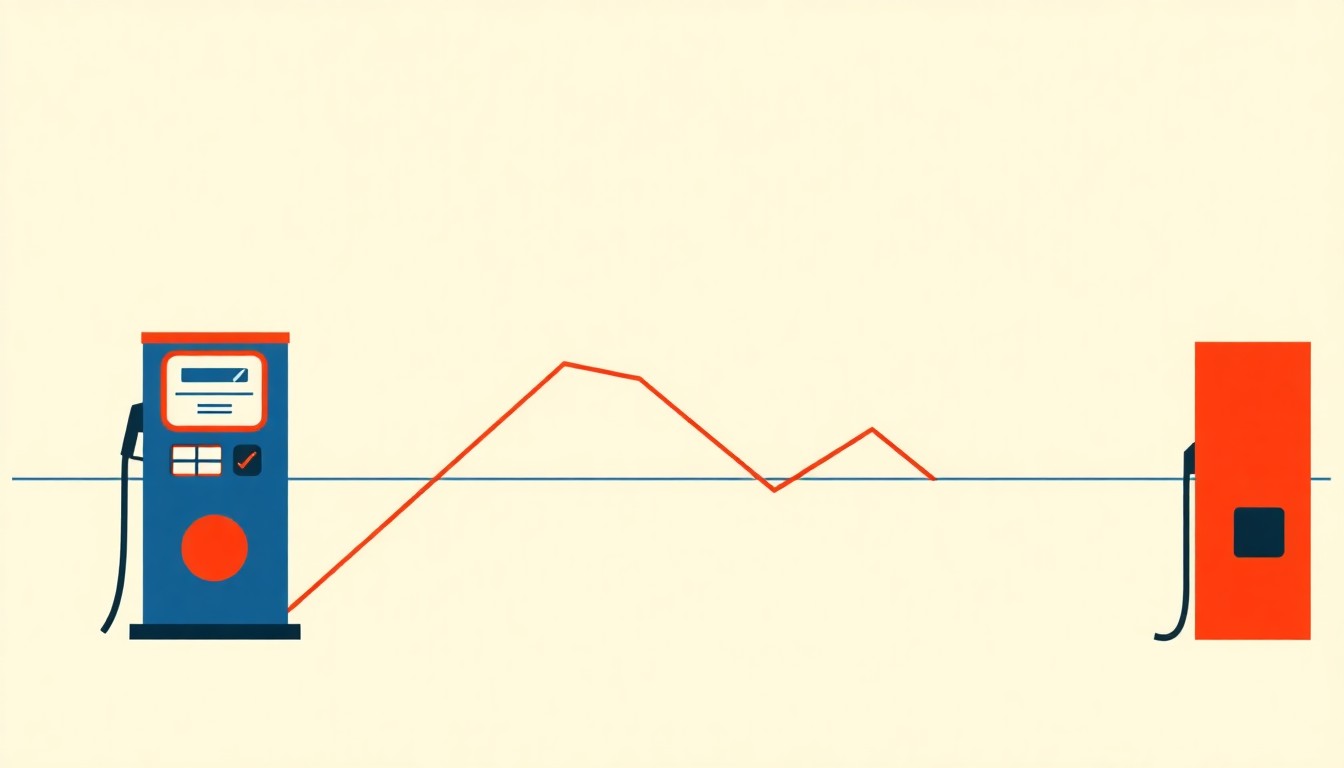 As global energy markets grapple with geopolitical uncertainty, the price at the pump becomes a daily barometer of economic resilience.Today in Dayton
Fuel prices have spiked dramatically in recent weeks, with the average price in the Dayton, Ohio area jumping from under $3 per gallon to around $3.81. Analysts say this is largely due to concerns over the blockage of the Strait of Hormuz, a critical global oil chokepoint, amid heightened geopolitical tensions. While the price move is real, the mechanics behind it reveal deeper issues around energy market uncertainty, consumer vulnerability, and the need for more resilient policies.
Why it matters
The gas price spike highlights how tightly connected local commerce, commuting, and household budgets have become to distant geopolitical events. It underscores the structural fragility of energy markets, where a few percentage points in risk premium can translate into real costs for drivers, businesses, and the broader economy. This episode also raises questions about how policymakers, analysts, and consumers should respond to manage energy volatility and build greater resilience.
The details
The jump in gas prices from under $3 to around $3.81 per gallon in the Dayton area reflects a blend of supply anxieties, market speculation, and infrastructural fragility in the global oil trade. The Strait of Hormuz, a critical global oil chokepoint, has been blocked amid heightened geopolitical tensions, causing concerns about potential supply disruptions. This has translated into a risk premium being priced into fuel costs, even in regional markets like Dayton that are far removed from the physical location of the conflict.
- The average gas price in the Dayton, Ohio area was under $3 per gallon prior to the recent price spike.
- Prices have now risen to around $3.81 per gallon in the Dayton area.
The players
Strait of Hormuz
A strategic maritime chokepoint that is a critical global oil supply route, its blockage has contributed to the recent fuel price spike.
What’s next
Policymakers and energy experts will likely continue to monitor the situation at the Strait of Hormuz and assess the broader implications for fuel prices and energy market stability. Consumers may also adjust their driving and fueling habits in response to the price volatility.
The takeaway
This gas price spike is a vivid reminder that the economy we rely on is an ecosystem where distant conflicts can ripple into local wallets. It underscores the need for more transparent pricing, smarter infrastructure investment, and a pragmatic mix of conservation, alternatives, and reliability to build greater energy resilience.
Dayton top stories



Dayton events

Apr. 11, 2026
Dayton Dragons vs. Lake County Captains
Apr. 11, 2026
Hay Fever
Apr. 11, 2026
2026 WGI Color Guard World Class Finals