- Today
- Holidays
- Birthdays
- Reminders
- Cities
- Atlanta
- Austin
- Baltimore
- Berwyn
- Beverly Hills
- Birmingham
- Boston
- Brooklyn
- Buffalo
- Charlotte
- Chicago
- Cincinnati
- Cleveland
- Columbus
- Dallas
- Denver
- Detroit
- Fort Worth
- Houston
- Indianapolis
- Knoxville
- Las Vegas
- Los Angeles
- Louisville
- Madison
- Memphis
- Miami
- Milwaukee
- Minneapolis
- Nashville
- New Orleans
- New York
- Omaha
- Orlando
- Philadelphia
- Phoenix
- Pittsburgh
- Portland
- Raleigh
- Richmond
- Rutherford
- Sacramento
- Salt Lake City
- San Antonio
- San Diego
- San Francisco
- San Jose
- Seattle
- Tampa
- Tucson
- Washington
SGLT2 Inhibitors Show Cardiorenal and Liver Benefits in Cirrhosis
Study finds SGLT2 inhibitors reduce risks of kidney failure, heart events, and liver complications in patients with type 2 diabetes and cirrhosis.
Apr. 3, 2026 at 10:27am
Got story updates? Submit your updates here. ›
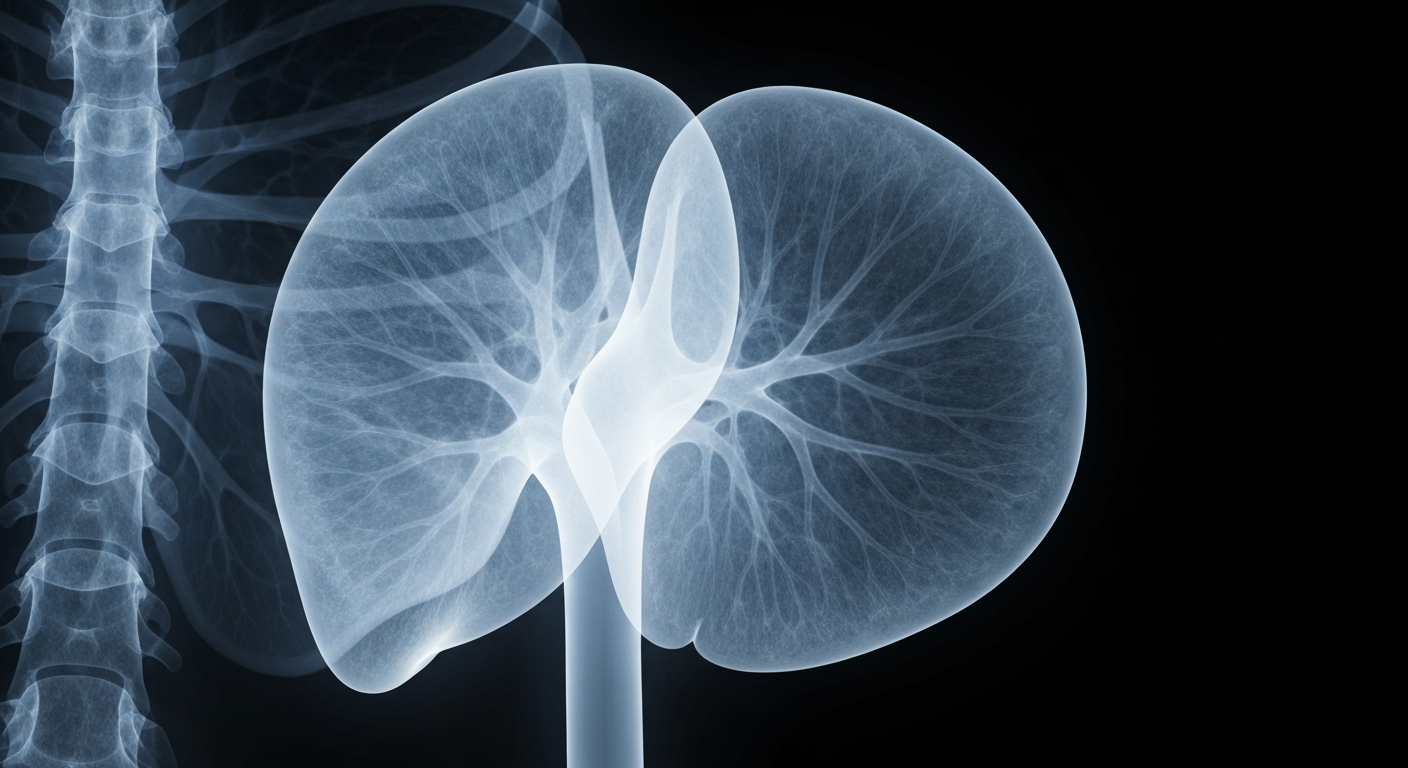 New research finds SGLT2 inhibitors can significantly reduce risks of kidney failure, heart events, and liver complications in patients with type 2 diabetes and cirrhosis.Columbus Today
New research found that the use of SGLT2 inhibitors in people with type 2 diabetes and liver cirrhosis led to significant reductions in the risks for end-stage kidney disease, acute kidney injury, major adverse cardiovascular events, and hepatic decompensation events compared to DPP-4 inhibitors. The study is one of the largest nationwide analyses to evaluate SGLT2 inhibitor use in this high-risk patient population.
Why it matters
SGLT2 inhibitors have shown important cardiorenal benefits in type 2 diabetes, but evidence on whether those benefits extend to patients with coexisting cirrhosis has been lacking. This study provides crucial real-world data demonstrating that SGLT2 inhibitors can offer 'triple protection' for the heart, kidneys, and liver in this vulnerable patient population that previously had limited evidence-based treatment options.
The details
The retrospective cohort study evaluated data from Taiwan's National Health Insurance Database on 24,259 patients with type 2 diabetes and cirrhosis who had initiated treatment with either SGLT2 inhibitors or DPP-4 inhibitors. After adjusting for various factors, the researchers found that those treated with SGLT2 inhibitors had significantly lower risks for end-stage kidney disease (66% lower), acute kidney injury (34% lower), major adverse cardiovascular events (33% lower), all-cause mortality (42% lower), and hepatic decompensation events (35% lower) compared to the DPP-4 inhibitor group.
- The study period was from May 2016 to December 2023.
- The median follow-up time was 2.3 years.
The players
Mu-Chi Chung, MD
First author of the study and from the Division of Nephrology and Division of Clinical Toxicology at Taichung Veterans General Hospital in Taichung, Taiwan.
Mohamed Elsaid, PhD
Researcher from the Division of Medical Oncology, Department of Internal Medicine, College of Medicine, The Ohio State University in Columbus, Ohio, who provided commentary on the study.
What they’re saying
“This study is one of the largest nationwide cohort analyses to specifically evaluate SGLT2i use in patients with coexisting [T2D] and liver cirrhosis.”
— Mu-Chi Chung, MD, First author
“Importantly, these protective associations were consistent across the full spectrum of cirrhosis causes, including viral hepatitis, alcoholic liver disease, and nonalcoholic steatohepatitis, and remained robust after multivariable adjustment.”
— Mu-Chi Chung, MD, First author
“These findings are very exciting and provide us with new evidence suggesting that SGLT2is retain their cardio- and renal-protective effects in patients with [T2D] and cirrhosis.”
— Mohamed Elsaid, PhD, Researcher
What’s next
Future prospective research is still needed to further evaluate the potential benefits of combining SGLT2 inhibitors with GLP-1 receptor agonists in patients with type 2 diabetes and cirrhosis.
The takeaway
This large real-world study demonstrates that SGLT2 inhibitors can provide 'triple protection' for the heart, kidneys, and liver in patients with type 2 diabetes and cirrhosis, a high-risk population that previously had limited evidence-based treatment options.
Columbus top stories



Columbus events



Apr. 3, 2026
Columbus Clippers vs. Indianapolis Indians