- Today
- Holidays
- Birthdays
- Reminders
- Cities
- Atlanta
- Austin
- Baltimore
- Berwyn
- Beverly Hills
- Birmingham
- Boston
- Brooklyn
- Buffalo
- Charlotte
- Chicago
- Cincinnati
- Cleveland
- Columbus
- Dallas
- Denver
- Detroit
- Fort Worth
- Houston
- Indianapolis
- Knoxville
- Las Vegas
- Los Angeles
- Louisville
- Madison
- Memphis
- Miami
- Milwaukee
- Minneapolis
- Nashville
- New Orleans
- New York
- Omaha
- Orlando
- Philadelphia
- Phoenix
- Pittsburgh
- Portland
- Raleigh
- Richmond
- Rutherford
- Sacramento
- Salt Lake City
- San Antonio
- San Diego
- San Francisco
- San Jose
- Seattle
- Tampa
- Tucson
- Washington
Ohio Approves Expansion of Fracking on Public Lands
Decision raises concerns over environmental impact and public health
Mar. 30, 2026 at 7:40pm
Got story updates? Submit your updates here. ›
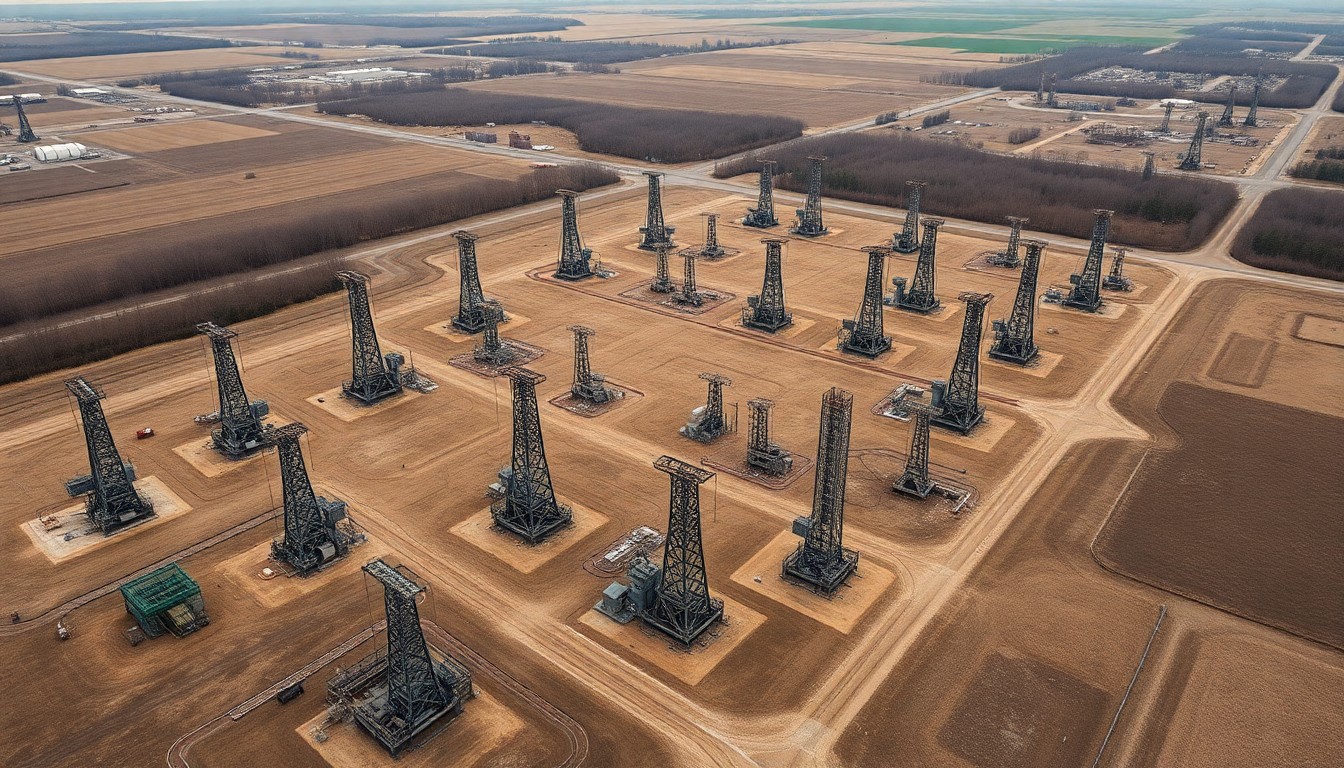 The expansion of fracking on public lands in Ohio raises concerns over the environmental and public health impacts of large-scale natural resource extraction.Columbus Today
The Ohio Oil and Gas Land Management Commission has approved making more than 9,000 acres of state-owned land available for fracking, despite objections from over 1,300 Ohioans concerned about environmental degradation and health issues. The designated land includes portions of Egypt Valley Wildlife Area and Salt Fork State Park in Eastern Ohio.
Why it matters
The expansion of fracking on public lands in Ohio is a controversial decision that pits economic interests against environmental and public health concerns. Fracking has been linked to issues like water contamination, air pollution, and health problems, raising questions about the long-term impacts on local communities and ecosystems.
The details
The commission's decision allows for the establishment of new fracking wells on state-owned land, building on the first well that was drilled in 2025 beneath the Valley Run Wildlife Area. Advocates argue that natural resource extraction is essential for Ohio's economy, especially with the energy demands of data centers, while opponents warn of the 'poisonous fruits of fracking' and call for a moratorium on new injection wells until the state studies their impact on groundwater.
- The Ohio Oil and Gas Land Management Commission approved the expansion on March 30, 2026.
- The first fracking well on Ohio public land was established in February 2025 beneath the Valley Run Wildlife Area in Carroll County.
- Legislation passed in December 2023 expanded the use of drilling leases on state lands as long as companies meet specific required conditions.
The players
Ohio Oil and Gas Land Management Commission
A commission under the Ohio Department of Natural Resources that approved the expansion of fracking on more than 9,000 acres of state-owned land.
Save Ohio Parks
An advocacy group that said more than 1,300 Ohioans had submitted objections prior to the commission's decision, raising concerns about environmental degradation and health issues.
Chris Zeigler
The executive director of the American Petroleum Institute in Ohio, who wrote in a 2024 letter that 'fracking has been key to unlocking our natural resources and advancing Ohio's energy leadership and economy.'
Barry Blankenship
A community advocate who said in a statement from Save Ohio Parks that 'This is not progress. This is extraction, and our communities are paying the price.'
Mike DeWine
The governor of Ohio, to whom officials from Marietta, Muskingum Township and nine water authorities recently delivered a letter calling for a moratorium on new injection wells until the state studies their impact on groundwater.
What they’re saying
“Fracking has been key to unlocking our natural resources and advancing Ohio's energy leadership and economy.”
— Chris Zeigler, Executive Director, American Petroleum Institute in Ohio
“This is not progress. This is extraction, and our communities are paying the price.”
— Barry Blankenship, Community Advocate
What’s next
Officials from Marietta, Muskingum Township and nine water authorities recently delivered a letter to Gov. Mike DeWine calling for a moratorium on new injection wells until the state studies their impact on groundwater.
The takeaway
The expansion of fracking on public lands in Ohio highlights the ongoing tension between economic interests and environmental/public health concerns. As the state continues to prioritize natural resource extraction, the long-term impacts on local communities and ecosystems remain a significant source of debate and concern.