- Today
- Holidays
- Birthdays
- Reminders
- Cities
- Atlanta
- Austin
- Baltimore
- Berwyn
- Beverly Hills
- Birmingham
- Boston
- Brooklyn
- Buffalo
- Charlotte
- Chicago
- Cincinnati
- Cleveland
- Columbus
- Dallas
- Denver
- Detroit
- Fort Worth
- Houston
- Indianapolis
- Knoxville
- Las Vegas
- Los Angeles
- Louisville
- Madison
- Memphis
- Miami
- Milwaukee
- Minneapolis
- Nashville
- New Orleans
- New York
- Omaha
- Orlando
- Philadelphia
- Phoenix
- Pittsburgh
- Portland
- Raleigh
- Richmond
- Rutherford
- Sacramento
- Salt Lake City
- San Antonio
- San Diego
- San Francisco
- San Jose
- Seattle
- Tampa
- Tucson
- Washington
Tapping into Ohio's Unheard Black Voices Key to Change in This Bright Red State
Brent Larkin examines the decline in Black voter turnout in Cleveland and its impact on Ohio's political landscape.
Apr. 12, 2026 at 9:41am
Got story updates? Submit your updates here. ›
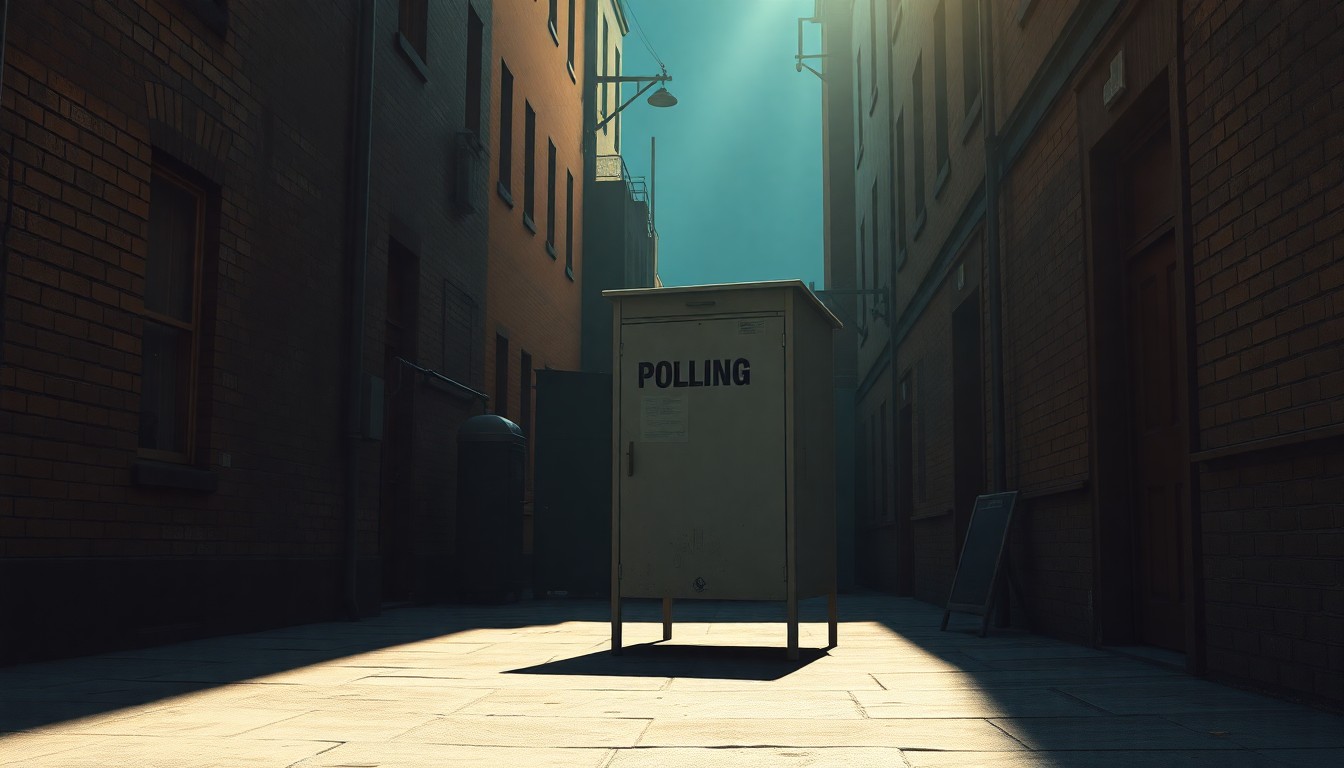 The stark contrast between vibrant, engaged communities and those plagued by poverty and disillusionment underscores the challenge of reviving political participation in Cleveland's Black neighborhoods.Cleveland Today
In his column, Brent Larkin explores how the decline in Black voter turnout in Cleveland and other parts of Ohio has contributed to the state's shift from a center-right political landscape to a bright red one. He cites data showing that Cleveland precincts with large Black populations have some of the lowest voter turnout in the state, and argues that reviving engagement among these communities is crucial for driving political change.
Why it matters
Ohio's political transformation from a center-right state to a bright red one has been driven in part by a decline in Black voter turnout, particularly in Cleveland. This trend has made it increasingly difficult for Democratic candidates to win statewide elections, underscoring the importance of re-engaging Black communities and their political voices in order to drive meaningful change.
The details
Larkin's analysis shows that in the 2024 presidential election, four of the five Ohio precincts with the lowest voter turnout were in Cleveland, and 28 of the bottom 100 precincts statewide were located in the city, mostly on the East Side. He attributes this decline to multigenerational poverty that has drained hope, as well as a diminished influence of the Black church and a lack of strong Black political leadership to mobilize voters.
- In the 2012 presidential election, Barack Obama won over 63% of the vote in Youngstown's Mahoning County.
- Just 12 years later, in 2024, Kamala Harris won just 44.7% in the same county.
- The precinct with Ohio's largest voter turnout in the 2024 election, at 92%, was in North Ridgeville.
- No Cuyahoga County precinct was among the top 25 for turnout in 2024, with the highest being in Fairview Park at 86.9%.
The players
Brent Larkin
A former editorial director of The Plain Dealer who has written extensively about Ohio politics.
Richard Starr
A Cleveland City Council member representing the Central neighborhood, one of the areas with the lowest voter turnout.
What they’re saying
“I represent the most impoverished neighborhood in the state of Ohio. There are so many things related to that poverty that come into play as to why people are not voting. But people just do not feel the need to indulge in a process that is not working for them.”
— Richard Starr, Cleveland City Council member
What’s next
The article does not mention any specific future newsworthy events related to this story.
The takeaway
Reviving engagement and political participation among Cleveland's Black communities, especially in the city's most impoverished neighborhoods, is crucial for driving meaningful change in Ohio's increasingly red political landscape.
Cleveland top stories


Cleveland events
Apr. 12, 2026
Cleveland Cavaliers vs. Washington Wizards
Apr. 12, 2026
Let's Sing Taylor
Apr. 12, 2026
The Picard/Folger Quartet