- Today
- Holidays
- Birthdays
- Reminders
- Cities
- Atlanta
- Austin
- Baltimore
- Berwyn
- Beverly Hills
- Birmingham
- Boston
- Brooklyn
- Buffalo
- Charlotte
- Chicago
- Cincinnati
- Cleveland
- Columbus
- Dallas
- Denver
- Detroit
- Fort Worth
- Houston
- Indianapolis
- Knoxville
- Las Vegas
- Los Angeles
- Louisville
- Madison
- Memphis
- Miami
- Milwaukee
- Minneapolis
- Nashville
- New Orleans
- New York
- Omaha
- Orlando
- Philadelphia
- Phoenix
- Pittsburgh
- Portland
- Raleigh
- Richmond
- Rutherford
- Sacramento
- Salt Lake City
- San Antonio
- San Diego
- San Francisco
- San Jose
- Seattle
- Tampa
- Tucson
- Washington
Diabetes Drugs May Slow Abdominal Aortic Aneurysm Progression
New research suggests GLP-1 receptor agonists could offer protection against aortic disease.
Apr. 10, 2026 at 11:20am
Got story updates? Submit your updates here. ›
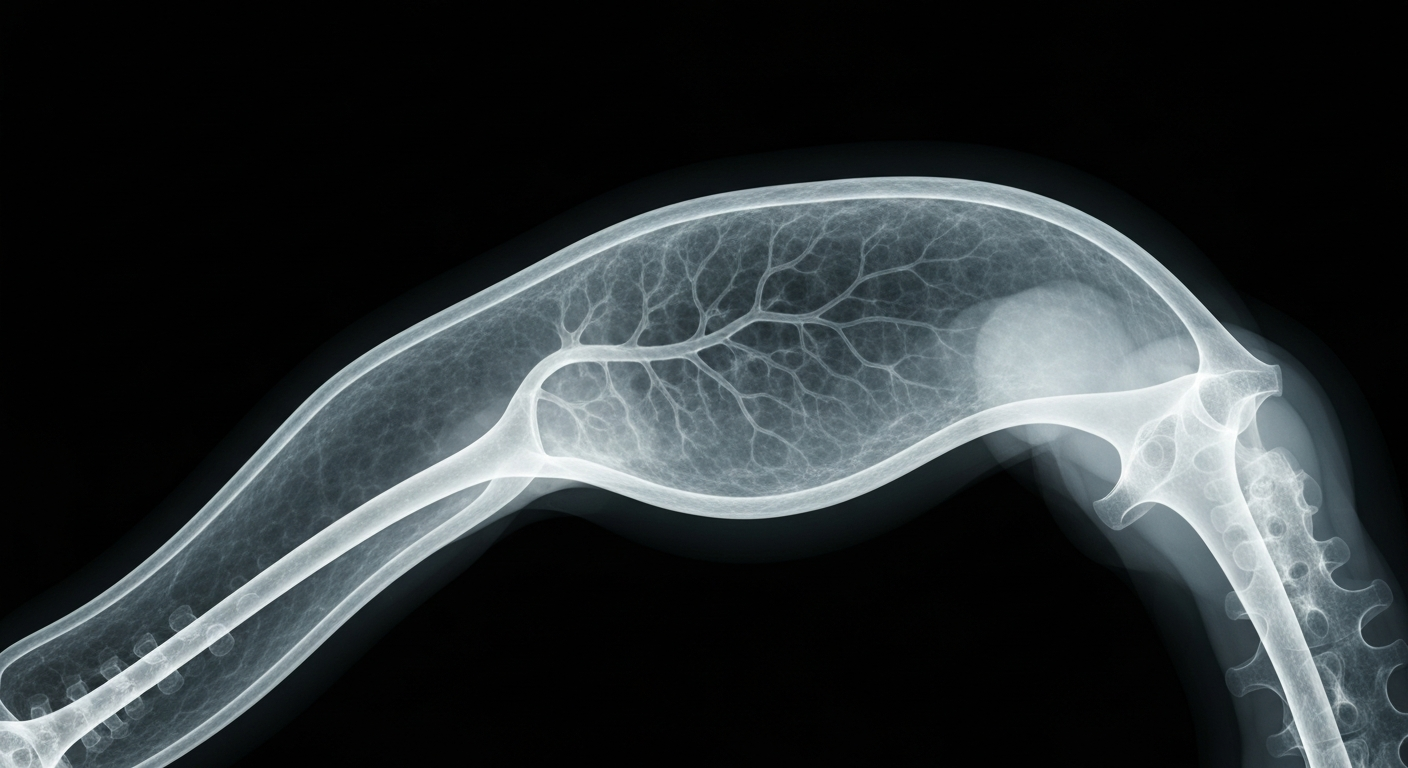 Cutting-edge medical imaging techniques offer new insights into the complex structure and vulnerabilities of the aorta, potentially guiding innovative treatments for aortic diseases.Cleveland Today
A recent observational study led by Cleveland Clinic researchers found that patients with unruptured abdominal aortic aneurysms (AAAs) who were prescribed glucagon-like peptide-1 receptor agonists (GLP-1RAs) experienced a significantly lower risk of death and reduced need for surgical repair, compared to those not taking the diabetes medications. The findings suggest GLP-1RAs may offer protective effects on aortic health, even in patients without diabetes.
Why it matters
For decades, AAA management has focused on monitoring aneurysm growth and intervening surgically when the risk of rupture is high. These new findings indicate diabetes medications could provide a novel approach to slowing AAA progression and reducing complications, potentially transforming clinical practice for this condition.
The details
The Cleveland Clinic study, published in the Journal of Vascular Surgery, analyzed data from over 120 million patients in the TriNetX database. Researchers found that GLP-1RA use was associated with a 44% reduction in a composite outcome of all-cause mortality, AAA repair, and acute abdominal aortic syndrome in patients with type 2 diabetes, and a 58% reduction in those without diabetes. The need for AAA repair was reduced by 34% in those with diabetes and 55% in those without.
- The study analyzed data from adults diagnosed with unruptured AAAs between 2015 and 2020.
- The findings were published in April 2026.
The players
Francis Caputo, MD
Vascular Surgery Director of Cleveland Clinic's Aorta Center, who noticed patients on GLP-1RA drugs seemed to be doing well and prompted the study.
Scott Cameron, MD, PhD
Section Head of Vascular Medicine at Cleveland Clinic, who notes the protective effects of GLP-1RAs appear independent of their glucose-lowering properties.
Cleveland Clinic
A leading academic medical center that conducted the observational database study on the potential benefits of GLP-1RAs for aortic aneurysm patients.
What they’re saying
“This study was prompted by my observations among the AAA patients I witness in my vascular surgery practice. I noticed that the patients who were on GLP-1RA drugs seemed to be doing so well in terms of their diabetes, weight loss and other effects.”
— Francis Caputo, MD, Vascular Surgery Director, Cleveland Clinic Aorta Center
“GLP-1RAs clearly have protective effects on blood vessels, but the mechanism for these effects is uncertain.”
— Scott Cameron, MD, PhD, Section Head of Vascular Medicine, Cleveland Clinic
What’s next
Researchers emphasize that the current findings are observational and require confirmation through rigorous, randomized controlled trials. Such trials are currently being planned to definitively assess the efficacy of GLP-1RAs in slowing aneurysm growth and preventing rupture.
The takeaway
These promising results are already influencing clinical practice, with physicians increasingly considering GLP-1RAs for patients with both diabetes and abdominal aortic aneurysms, recognizing the potential for dual benefits. However, maintaining a healthy lifestyle, including quitting smoking and controlling blood pressure, remains crucial for managing AAA risk, regardless of medication use.
Cleveland top stories


Cleveland events

Apr. 10, 2026
The Runarounds: The Minivan Tour
Apr. 10, 2026
Karen Morgan
Apr. 10, 2026
Mr. Haney Appalachian Stringband