- Today
- Holidays
- Birthdays
- Reminders
- Cities
- Atlanta
- Austin
- Baltimore
- Berwyn
- Beverly Hills
- Birmingham
- Boston
- Brooklyn
- Buffalo
- Charlotte
- Chicago
- Cincinnati
- Cleveland
- Columbus
- Dallas
- Denver
- Detroit
- Fort Worth
- Houston
- Indianapolis
- Knoxville
- Las Vegas
- Los Angeles
- Louisville
- Madison
- Memphis
- Miami
- Milwaukee
- Minneapolis
- Nashville
- New Orleans
- New York
- Omaha
- Orlando
- Philadelphia
- Phoenix
- Pittsburgh
- Portland
- Raleigh
- Richmond
- Rutherford
- Sacramento
- Salt Lake City
- San Antonio
- San Diego
- San Francisco
- San Jose
- Seattle
- Tampa
- Tucson
- Washington
Gut Bacteria Linked to ALS and Dementia, Offering New Treatment Possibilities
Researchers uncover how harmful sugars produced by microbes can trigger immune responses that damage the brain.
Apr. 9, 2026 at 10:38am
Got story updates? Submit your updates here. ›
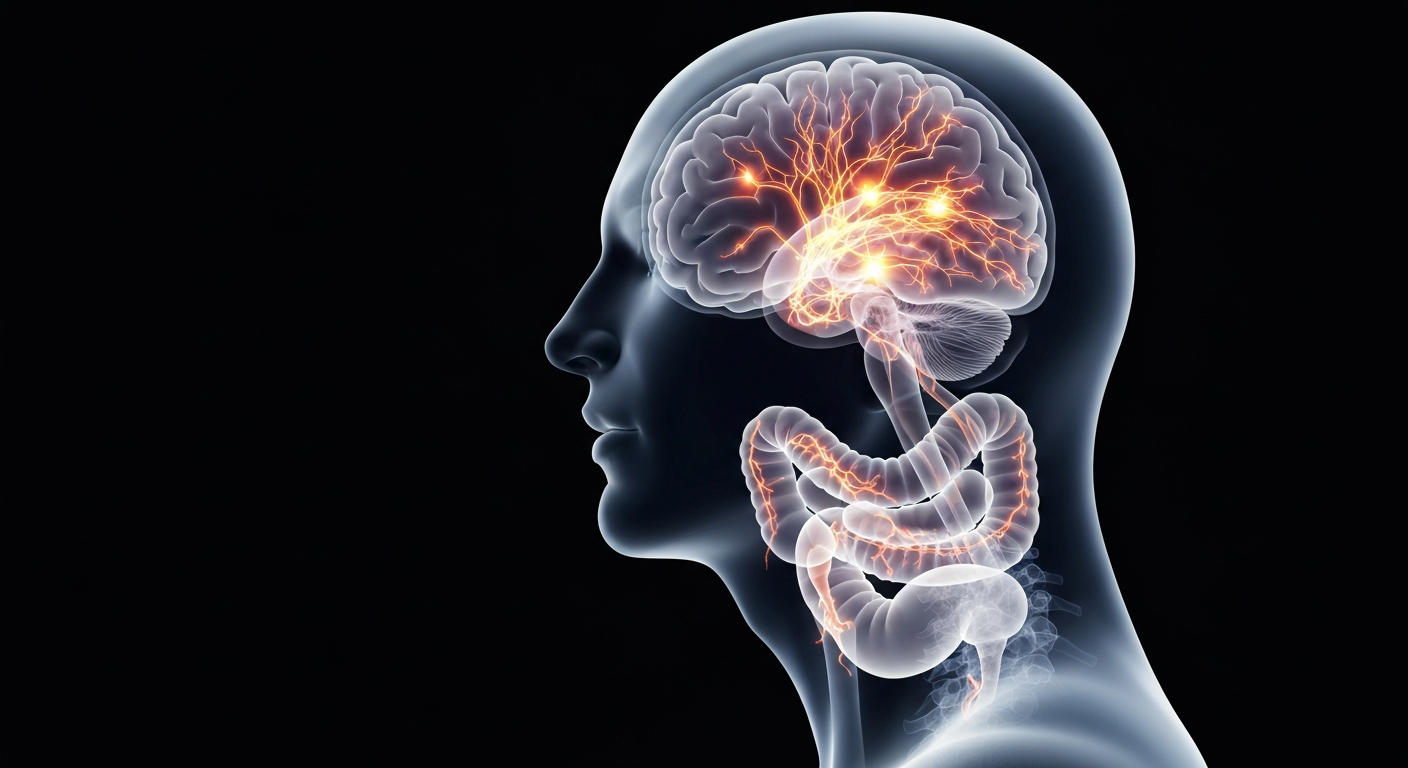 Groundbreaking research reveals how gut bacteria produce inflammatory sugars that can trigger immune responses and damage the brain, providing new insights into the causes of ALS and dementia.Cleveland Today
A new study from researchers at Case Western Reserve University has revealed a surprising connection between gut bacteria and the development of Amyotrophic Lateral Sclerosis (ALS) and Frontotemporal Dementia (FTD). The team found that certain bacterial sugars can trigger immune reactions that kill brain cells, providing a potential explanation for why some genetically at-risk individuals develop these devastating neurological diseases while others do not. The findings also hint at new treatment possibilities focused on reducing these harmful gut-derived sugars.
Why it matters
This breakthrough could reshape how doctors approach ALS and FTD, two of the most devastating brain disorders. By identifying gut bacteria as a key environmental trigger, the research opens the door to new treatments and biomarkers that could help slow or prevent disease progression, especially for those with certain genetic risk factors.
The details
The researchers discovered a clear connection between microbes in the digestive system and the brain damage seen in ALS and FTD. They found that certain bacterial sugars, known as inflammatory forms of glycogen, can trigger immune responses that ultimately kill brain cells. Importantly, the team was able to reduce these harmful sugars in experiments, which "improved brain health and extended lifespan."
- The study was published in the journal Cell Reports on April 9, 2026.
The players
Aaron Burberry
Assistant professor in the Department of Pathology at the Case Western Reserve School of Medicine and lead author of the study.
Alex Rodriguez-Palacios
Assistant professor in the Digestive Health Research Institute at the Case Western Reserve School of Medicine and co-author of the study.
Fabio Cominelli
Distinguished University Professor and director of the Digestive Health Research Institute at Case Western Reserve University, where the research was conducted.
Case Western Reserve University
The university where the groundbreaking research on the gut-brain connection in ALS and FTD was conducted.
What they’re saying
“We found that harmful gut bacteria produce inflammatory forms of glycogen (a type of sugar), and that these bacterial sugars trigger immune responses that damage the brain.”
— Aaron Burberry, Assistant professor in the Department of Pathology
“To understand when and why harmful microbial glycogen is produced, the team will next conduct larger studies surveying gut microbiome communities in ALS/FTD patients before and after disease onset.”
— Aaron Burberry, Assistant professor in the Department of Pathology
“Clinical trials to determine whether glycogen degradation in ALS/FTD patients could slow disease progression are also supported by our findings and could begin in a year.”
— Aaron Burberry, Assistant professor in the Department of Pathology
What’s next
The researchers plan to conduct larger studies surveying gut microbiome communities in ALS and FTD patients before and after disease onset to better understand when and why the harmful microbial glycogen is produced. Clinical trials to determine whether degrading these harmful sugars could slow disease progression are also being planned and could begin within a year.
The takeaway
This groundbreaking research has uncovered a surprising gut-brain connection that could fundamentally change how doctors approach ALS and FTD. By identifying harmful gut bacteria and their inflammatory sugars as a key environmental trigger, the study opens the door to new biomarkers and treatments focused on the gut-brain axis, offering hope for slowing or preventing these devastating neurological diseases.
Cleveland top stories



Cleveland events

Apr. 11, 2026
Aesthetic Perfection, Julien-K, Priest
Apr. 11, 2026
Straight On - Heart Tribute Band
Apr. 11, 2026
TNA Wrestling