- Today
- Holidays
- Birthdays
- Reminders
- Cities
- Atlanta
- Austin
- Baltimore
- Berwyn
- Beverly Hills
- Birmingham
- Boston
- Brooklyn
- Buffalo
- Charlotte
- Chicago
- Cincinnati
- Cleveland
- Columbus
- Dallas
- Denver
- Detroit
- Fort Worth
- Houston
- Indianapolis
- Knoxville
- Las Vegas
- Los Angeles
- Louisville
- Madison
- Memphis
- Miami
- Milwaukee
- Minneapolis
- Nashville
- New Orleans
- New York
- Omaha
- Orlando
- Philadelphia
- Phoenix
- Pittsburgh
- Portland
- Raleigh
- Richmond
- Rutherford
- Sacramento
- Salt Lake City
- San Antonio
- San Diego
- San Francisco
- San Jose
- Seattle
- Tampa
- Tucson
- Washington
AI Augments, Not Replaces, Radiologists' Expertise
New report reveals unexpected facts about AI's impact on radiology jobs
Feb. 21, 2026 at 5:24pm
Got story updates? Submit your updates here. ›
Contrary to predictions, AI is not eliminating radiology jobs but rather augmenting radiologists' capabilities. The FDA approval process for medical AI tools is extensive, taking around 8 years, and the radiology job market is projected to grow 5% between 2024-2034, exceeding the overall average. While AI offers significant benefits, potential risks like algorithmic bias must be addressed through human review and collaboration between machines and specialists.
Why it matters
The intersection of AI and radiology has gained global visibility, underscoring the field's significance in broader medical, political, and economic conversations. This story challenges the prevailing narrative around AI displacing jobs and provides insights into how the technology is transforming the radiology workflow in a complementary way.
The details
AI's strength lies in rapidly processing vast datasets of medical images, allowing it to assist radiologists in prioritizing scans, improving image quality, and summarizing complex reports. However, final diagnoses, patient examinations, and official medical reports still require human judgment and expertise. The implementation of AI in healthcare is subject to rigorous FDA oversight, with 1,401 of the 1,357 approved medical AI tools belonging to radiology as of February 2026.
- In 2016, computer scientist Geoffrey Hinton predicted aspiring radiologists should reconsider their career paths due to AI.
- As of February 2026, the FDA has approved 1,401 medical AI tools for radiology.
The players
Geoffrey Hinton
A computer scientist and pioneer in deep learning who predicted in 2016 that aspiring radiologists should reconsider their career paths due to AI.
Dr. Po-Hao Chen
A diagnostic radiologist at Cleveland Clinic who highlights radiology's unique position with the abundance of data available for AI research and training.
Dr. Shadpour Demehri
A radiologist at Johns Hopkins Medicine who emphasizes that AI doesn't replace doctors but streamlines their function, making it more efficient and meaningful.
René Vidal
A professor at Penn Engineering at the University of Pennsylvania who points to AI's potential to accelerate MRI scans by producing high-quality images with fewer measurements, increasing patient throughput.
Food and Drug Administration (FDA)
The regulatory body that oversees the approval of medical AI tools, a process that can take up to 8 years.
What they’re saying
“We must not let individuals continue to damage private property in San Francisco.”
— Robert Jenkins, San Francisco resident
“Fifty years is such an accomplishment in San Francisco, especially with the way the city has changed over the years.”
— Gordon Edgar, grocery employee
What’s next
The judge in the case will decide on Tuesday whether or not to allow Walker Reed Quinn out on bail.
The takeaway
This case highlights growing concerns in the community about repeat offenders released on bail, raising questions about bail reform, public safety on SF streets, and if any special laws to govern autonomous vehicles in residential and commercial areas.
Cleveland top stories
Cleveland events

Apr. 7, 2026
Cleveland Guardians vs. Kansas City Royals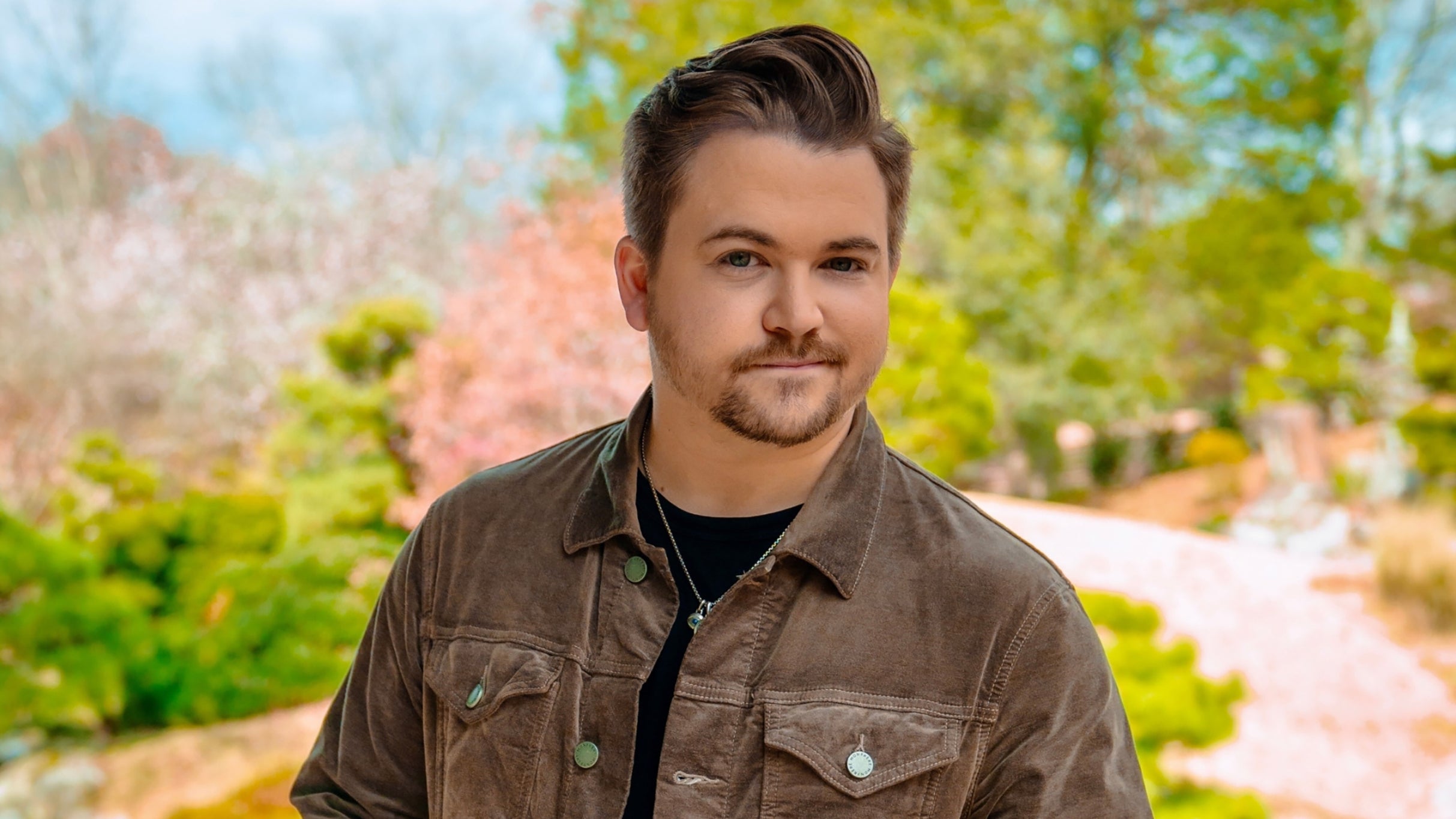
Apr. 7, 2026
Hunter Hayes: The Evergreen Tour
Apr. 7, 2026
PERSONALITY CRISIS AKA CLE PUNK NIGHT