- Today
- Holidays
- Birthdays
- Reminders
- Cities
- Atlanta
- Austin
- Baltimore
- Berwyn
- Beverly Hills
- Birmingham
- Boston
- Brooklyn
- Buffalo
- Charlotte
- Chicago
- Cincinnati
- Cleveland
- Columbus
- Dallas
- Denver
- Detroit
- Fort Worth
- Houston
- Indianapolis
- Knoxville
- Las Vegas
- Los Angeles
- Louisville
- Madison
- Memphis
- Miami
- Milwaukee
- Minneapolis
- Nashville
- New Orleans
- New York
- Omaha
- Orlando
- Philadelphia
- Phoenix
- Pittsburgh
- Portland
- Raleigh
- Richmond
- Rutherford
- Sacramento
- Salt Lake City
- San Antonio
- San Diego
- San Francisco
- San Jose
- Seattle
- Tampa
- Tucson
- Washington
GLP-1 Drugs Linked to Rare 'Pirate Disease' Scurvy
Rapid weight loss from GLP-1 medications like Ozempic can lead to severe vitamin C deficiency, dietitians warn.
Feb. 10, 2026 at 8:47pm
Got story updates? Submit your updates here. ›
As the use of GLP-1 weight-loss drugs like Ozempic has become more widespread, some patients have reported experiencing a surprising side effect: scurvy, a rare disease caused by severe vitamin C deficiency that was once common among sailors on long voyages. Dietitians say the rapid weight loss from these medications can lead to nutritional deficiencies if patients don't maintain a balanced diet, putting them at risk of developing scurvy and other health issues.
Why it matters
The rise in scurvy cases linked to GLP-1 drugs highlights the importance of addressing nutrition alongside weight loss for patients taking these medications. Without proper dietary guidance, rapid weight loss can lead to dangerous vitamin deficiencies that were once thought to be a thing of the past.
The details
English singer Robbie Williams revealed in 2024 that he was diagnosed with scurvy after taking 'something like Ozempic' and 'stopped eating' to lose weight. Scurvy, which can cause fatigue, swollen legs, tooth loss, and bleeding under the skin, is typically associated with 17th-century sailors who lacked access to fresh fruits and vegetables on long voyages. Dietitian Clare Collins led a review that found most global trials of GLP-1 drugs did not account for patients' diets and nutrition, and an earlier study showed over 22% of 460,000 GLP-1 users were diagnosed with nutritional deficiencies within a year.
- In December 2023, Robbie Williams said he was taking 'something like Ozempic' in an interview.
- In May 2024, Robbie Williams revealed he was diagnosed with scurvy.
- In 2026, a new systematic review found most GLP-1 drug trials did not account for patients' diets and nutrition.
The players
Robbie Williams
An English singer who was diagnosed with scurvy after taking a GLP-1 drug.
Clare Collins
A leading Australian dietitian who led a review finding most GLP-1 drug trials did not account for patients' diets and nutrition.
Magriet Raxworthy
The chief executive of Dietitians Australia, who warned that without dietitian guidance, GLP-1 users may struggle to meet their nutritional needs.
What they’re saying
“A reduction in body weight does not automatically mean the person is well-nourished or healthy. Nutrition plays a critical role in health, and right now it's largely missing from the evidence.”
— Clare Collins, Dietitian
“Let's not wait for every [general practitioner] to see a case of scurvy, let's get on the front foot and link these GP chronic management plans to a dietitian referral.”
— Clare Collins, Dietitian
“People may struggle to meet their nutritional needs and can be placed at risk of significant muscle loss, bone density loss, micronutrient deficiencies and disordered eating behaviors.”
— Magriet Raxworthy, Chief Executive, Dietitians Australia
What’s next
Dietitians are calling for GLP-1 drug prescriptions to be accompanied by mandatory referrals to dietitians to help patients maintain proper nutrition and avoid deficiencies like scurvy.
The takeaway
The rise in scurvy cases linked to popular weight-loss drugs like Ozempic highlights the critical importance of addressing nutrition alongside weight loss. Rapid weight loss can lead to dangerous vitamin deficiencies if patients don't receive proper dietary guidance, underscoring the need for a more holistic approach to treating obesity and overweight.
Cleveland top stories
Cleveland events

Apr. 7, 2026
Cleveland Guardians vs. Kansas City Royals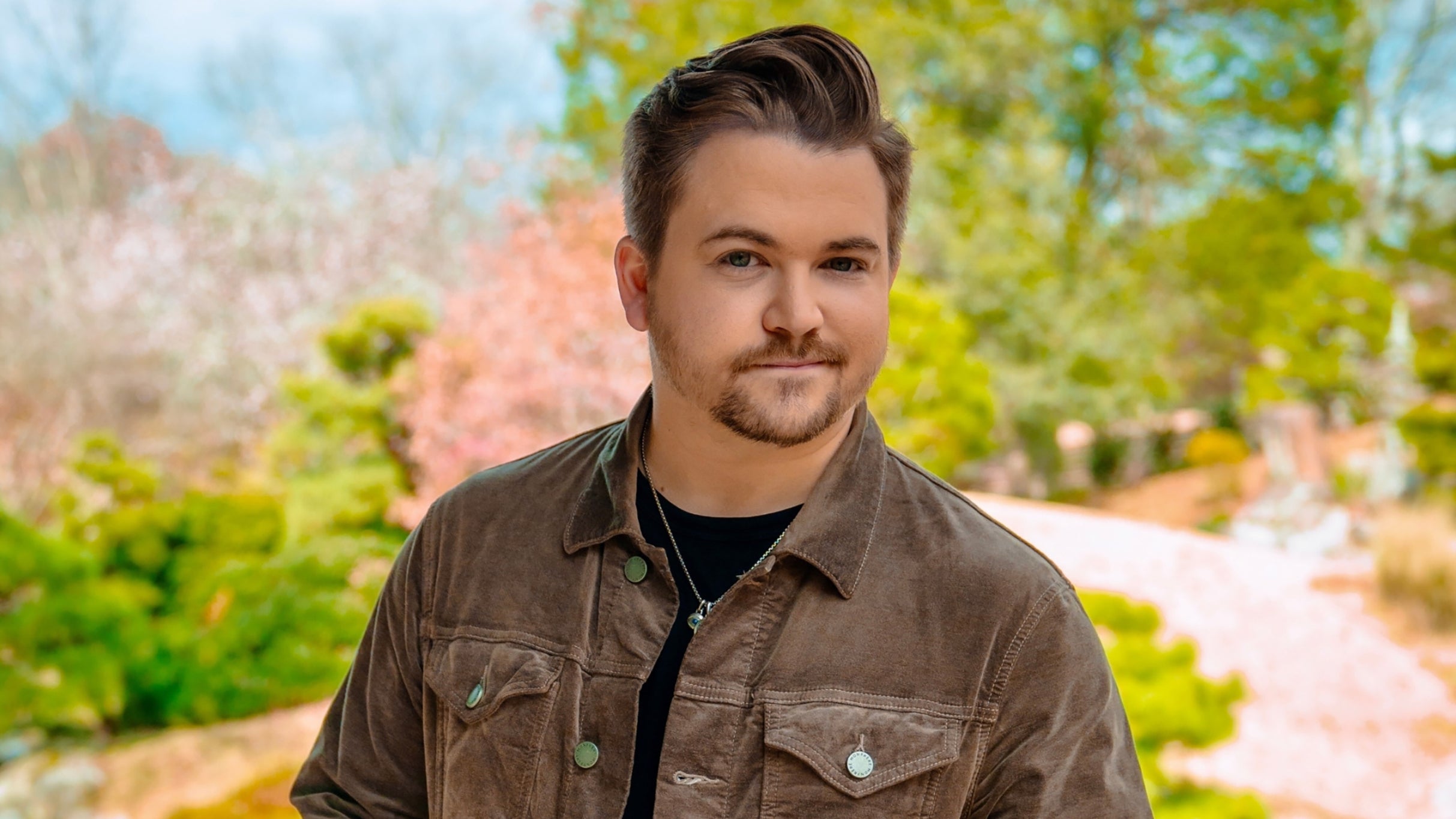
Apr. 7, 2026
Hunter Hayes: The Evergreen Tour
Apr. 7, 2026
PERSONALITY CRISIS AKA CLE PUNK NIGHT