- Today
- Holidays
- Birthdays
- Reminders
- Cities
- Atlanta
- Austin
- Baltimore
- Berwyn
- Beverly Hills
- Birmingham
- Boston
- Brooklyn
- Buffalo
- Charlotte
- Chicago
- Cincinnati
- Cleveland
- Columbus
- Dallas
- Denver
- Detroit
- Fort Worth
- Houston
- Indianapolis
- Knoxville
- Las Vegas
- Los Angeles
- Louisville
- Madison
- Memphis
- Miami
- Milwaukee
- Minneapolis
- Nashville
- New Orleans
- New York
- Omaha
- Orlando
- Philadelphia
- Phoenix
- Pittsburgh
- Portland
- Raleigh
- Richmond
- Rutherford
- Sacramento
- Salt Lake City
- San Antonio
- San Diego
- San Francisco
- San Jose
- Seattle
- Tampa
- Tucson
- Washington
Supreme Court Ruling Threatens Bans on Conversion Therapy
Dissenting Justice Warns Ruling Could Make Speech-Based Therapies Unregulated
Apr. 10, 2026 at 2:07pm
Got story updates? Submit your updates here. ›
 The Supreme Court's ruling on conversion therapy threatens to leave vulnerable LGBTQ youth unprotected from discredited and harmful practices.Cincinnati Today
The U.S. Supreme Court recently ruled that banning conversion therapy for LGBTQ youth may violate the First Amendment, potentially jeopardizing bans on the discredited practice in over 20 states. In the case of Chiles vs. Salazar, the court sided with a speech therapist who argued Colorado's ban prevented her from helping patients "live consistent with their faith." Dissenting Justice Ketanji Brown Jackson warned the ruling could make speech-only therapies effectively unregulated, allowing quacks to harm children with words instead of tools.
Why it matters
Conversion therapy has been widely rejected by medical organizations as ineffective and harmful, increasing rates of depression, anxiety, and suicidal ideation among LGBTQ youth. This Supreme Court ruling could undermine state efforts to protect vulnerable children from the trauma of these discredited practices, which are not actually rooted in Christianity as claimed by some proponents.
The details
In the Chiles vs. Salazar case, a speech therapist argued that Colorado's ban on conversion therapy violated her First Amendment right to free speech by preventing her from helping patients "live consistent with their faith." The Supreme Court sided with the therapist, ruling that the ban may be unconstitutional. Dissenting Justice Ketanji Brown Jackson warned the decision could make speech-based therapies effectively unregulated, allowing practitioners to harm children through words rather than physical means.
- The Supreme Court ruling was issued on April 10, 2026.
- Over 20 states have already banned conversion therapy prior to this ruling.
The players
Chiles vs. Salazar
A Supreme Court case challenging Colorado's ban on conversion therapy.
Justice Ketanji Brown Jackson
The dissenting Supreme Court justice who warned the ruling could make speech-based therapies unregulated.
What they’re saying
“This ruling could be catastrophic, noting it might make speech-only therapies effectively unregulated.”
— Justice Ketanji Brown Jackson, Supreme Court Justice
What’s next
The Supreme Court's ruling puts existing state bans on conversion therapy in jeopardy, and it remains to be seen how lower courts will interpret and apply the decision.
The takeaway
This Supreme Court ruling undermines efforts to protect LGBTQ youth from the proven harms of conversion therapy, prioritizing a narrow interpretation of free speech over the wellbeing of vulnerable children. It highlights the ongoing battle over LGBTQ rights and the role of evidence-based policymaking.
Cincinnati top stories


Cincinnati events

Apr. 10, 2026
All Your Friends: The Indie Party (18+ with VALID ID)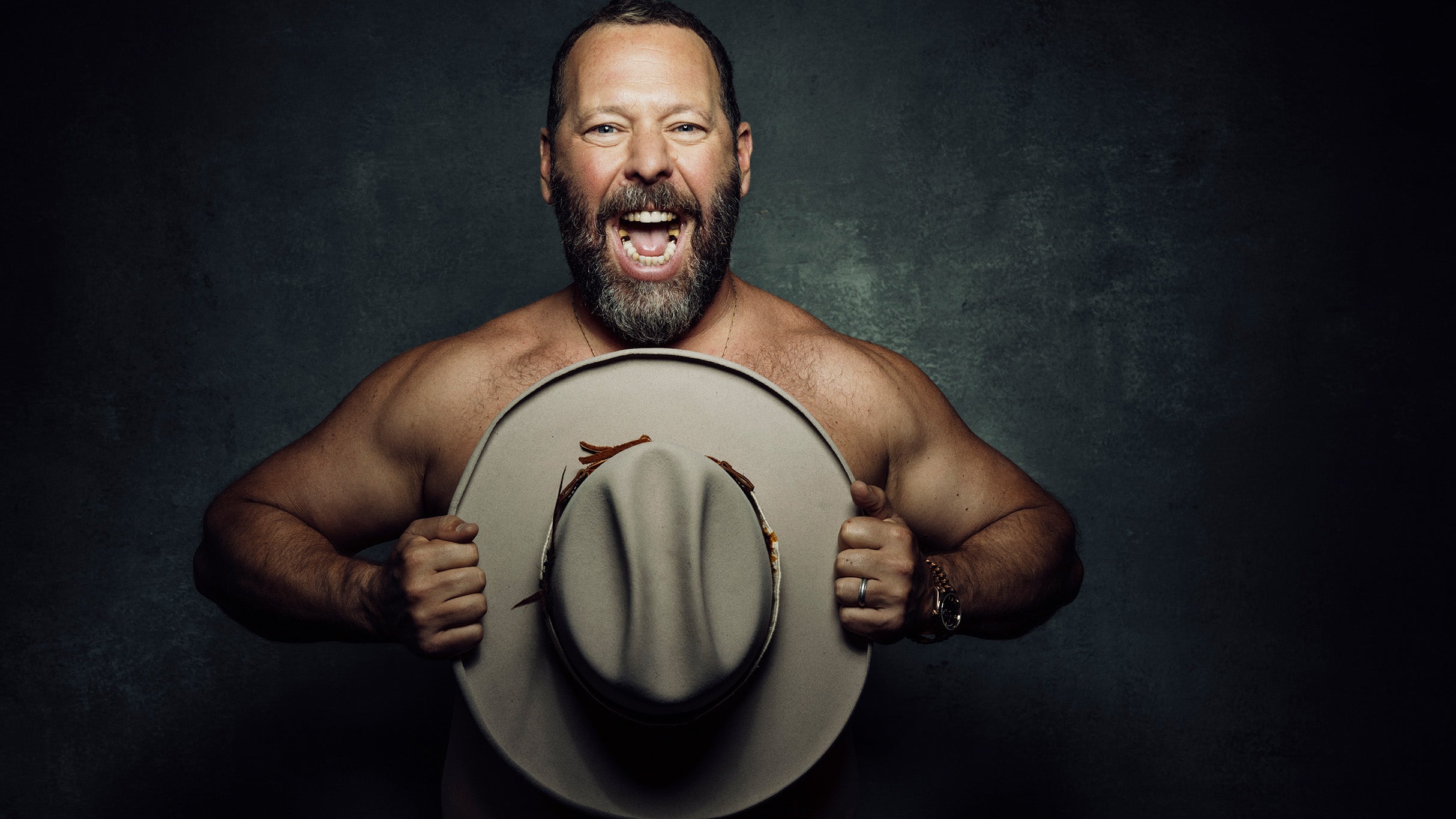
Apr. 10, 2026
BERT KREISCHER: PERMISSION TO PARTY