- Today
- Holidays
- Birthdays
- Reminders
- Cities
- Atlanta
- Austin
- Baltimore
- Berwyn
- Beverly Hills
- Birmingham
- Boston
- Brooklyn
- Buffalo
- Charlotte
- Chicago
- Cincinnati
- Cleveland
- Columbus
- Dallas
- Denver
- Detroit
- Fort Worth
- Houston
- Indianapolis
- Knoxville
- Las Vegas
- Los Angeles
- Louisville
- Madison
- Memphis
- Miami
- Milwaukee
- Minneapolis
- Nashville
- New Orleans
- New York
- Omaha
- Orlando
- Philadelphia
- Phoenix
- Pittsburgh
- Portland
- Raleigh
- Richmond
- Rutherford
- Sacramento
- Salt Lake City
- San Antonio
- San Diego
- San Francisco
- San Jose
- Seattle
- Tampa
- Tucson
- Washington
Synthetic Protein May Aid Intracerebral Hemorrhage Recovery
Largest-ever clinical trial finds drug can reduce bleeding and improve outcomes for certain high-risk stroke patients.
Feb. 4, 2026 at 11:15pm
Got story updates? Submit your updates here. ›
Results from the largest-ever clinical trial found administering a synthetic protein called recombinant factor VIIa (rFVIIa) can reduce bleeding and improve outcomes for certain patients at the highest risk of continued bleeding following a type of stroke called an intracerebral hemorrhage (ICH). The international Phase 3 FASTEST trial tested the drug across 93 sites in several countries, with findings showing the drug was most effective in people who have a "spot sign" on brain imaging and for patients treated within 90 minutes of stroke onset.
Why it matters
ICHs account for approximately 15% of all strokes but a disproportionate 50% of all stroke deaths, making them a major public health concern. The FASTEST trial represents a significant step forward in identifying potential treatments to improve outcomes for high-risk ICH patients.
The details
The FASTEST trial randomized 328 patients to receive the rFVIIa drug and 298 to receive a placebo. While the overall findings were neutral, with the drug slowing bleeding but lacking evidence of benefit for clinical outcomes, researchers found the drug was most effective in two key subgroups: patients with a "spot sign" on CT brain imaging, which indicates leakage of contrast dye from a ruptured vessel, and patients treated within 90 minutes of stroke onset. In these subgroups, patients receiving rFVIIa had better outcomes 90 days after the ICH and a substantially greater decrease in moderate or severe ICH growth.
- The FASTEST trial was conducted between 2020 and 2025.
- Findings from the trial were presented at the International Stroke Conference on February 4, 2026.
- Results were also published in The Lancet on February 5, 2026.
The players
Joseph Broderick, MD
Professor in UC's College of Medicine, senior adviser at the UC Gardner Neuroscience Institute, and director of the NIH StrokeNet National Coordinating Center. Broderick served as the corresponding author for the study published in The Lancet.
University of Cincinnati
The institution where Broderick is a professor and which conducted the FASTEST trial.
What they’re saying
“A spot sign depicts leakage of contrast dye from the ruptured vessel. The amount the drug slows bleeding is accompanied by signals for potential benefit in these two subgroups.”
— Joseph Broderick, MD, Professor
“The closer to time zero you can treat, the less bleeding you are likely to have with rFVIIa treatment. It makes biological and clinical sense, which is why we're doing FASTEST Part 2 in these subgroups.”
— Joseph Broderick, MD, Professor
What’s next
The next phase of the FASTEST trial will continue to test rFVIIa in patients with spot signs on brain imaging and in those who are able to be treated within 90 minutes of stroke onset.
The takeaway
The FASTEST trial represents a significant advancement in the search for effective treatments to improve outcomes for high-risk intracerebral hemorrhage patients. By identifying key subgroups that benefit most from the synthetic protein rFVIIa, researchers are working to deliver this treatment as close to the initial stroke onset as possible to maximize its impact.
Cincinnati top stories


Cincinnati events
Apr. 9, 2026
KB The Signal Tour - Cincinnati, OH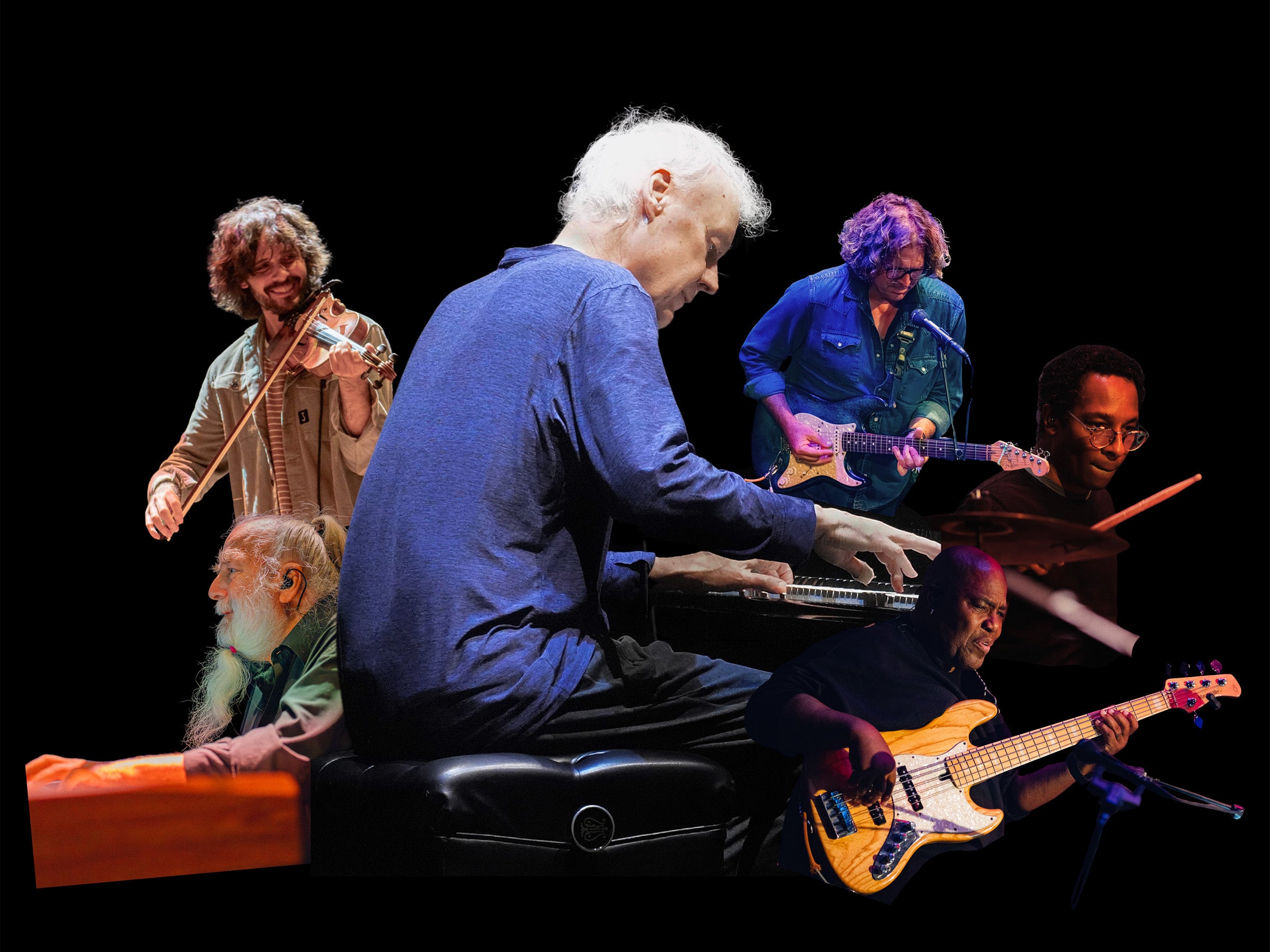
Apr. 9, 2026
Bruce Hornsby & The Noisemakers: Indigo Park Tour