- Today
- Holidays
- Birthdays
- Reminders
- Cities
- Atlanta
- Austin
- Baltimore
- Berwyn
- Beverly Hills
- Birmingham
- Boston
- Brooklyn
- Buffalo
- Charlotte
- Chicago
- Cincinnati
- Cleveland
- Columbus
- Dallas
- Denver
- Detroit
- Fort Worth
- Houston
- Indianapolis
- Knoxville
- Las Vegas
- Los Angeles
- Louisville
- Madison
- Memphis
- Miami
- Milwaukee
- Minneapolis
- Nashville
- New Orleans
- New York
- Omaha
- Orlando
- Philadelphia
- Phoenix
- Pittsburgh
- Portland
- Raleigh
- Richmond
- Rutherford
- Sacramento
- Salt Lake City
- San Antonio
- San Diego
- San Francisco
- San Jose
- Seattle
- Tampa
- Tucson
- Washington
Brice Today
By the People, for the People
Gut Microbes Boost Mucosal Vaccine Effectiveness
Breakthrough study links gut bacteria metabolite butyrate to enhanced immune responses
Apr. 11, 2026 at 7:55pm
Got story updates? Submit your updates here. ›
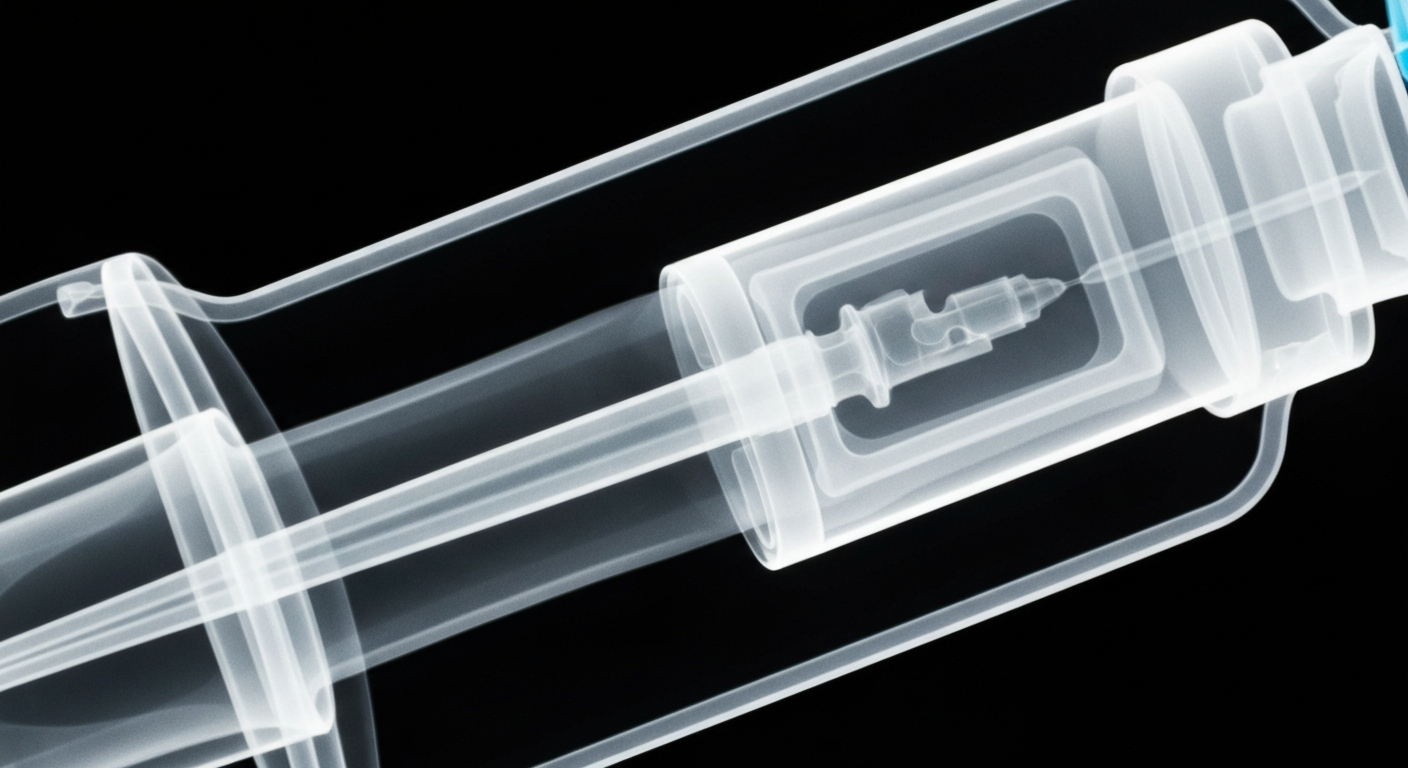
 A conceptual illustration depicting the intricate relationship between gut microbiome, butyrate production, and enhanced mucosal vaccine responses, highlighting the critical role of beneficial bacteria in boosting immune defenses.Brice Today
A groundbreaking study led by Professor Sin-Hyeog Im from POSTECH and ImmunoBiome in Korea has uncovered a fascinating connection between gut microbes and the immune system. The research team found that butyrate, a short-chain fatty acid produced by beneficial gut bacteria, plays a key role in boosting the effectiveness of mucosal vaccines by enhancing the activity of T follicular helper (Tfh) cells, which are crucial for producing antibodies.
Why it matters
This discovery establishes a new pathway linking microbial metabolism directly to mucosal immune responses, offering a promising strategy to maximize the protective effects of mucosal vaccines. It also raises important questions about the impact of diet, antibiotics, and lifestyle on vaccine efficacy, underscoring the critical role of gut health in immune function.
The details
The study, published in the journal Microbiome, found that butyrate promotes Tfh differentiation and the formation of IgA-producing germinal center B cells, ultimately boosting mucosal IgA production. Experiments showed that tributyrin, a butyrate prodrug, significantly enhanced protection against Salmonella Typhimurium infection, reducing both infection rates and tissue damage in a GPR43 signaling-dependent manner.
- The study was published on April 11, 2026.
The players
Professor Sin-Hyeog Im
A researcher from POSTECH and ImmunoBiome in Korea who led the groundbreaking study on the connection between gut microbes and vaccine effectiveness.
Lachnospiraceae
A bacterial family identified as a key butyrate producer driving the process of enhanced mucosal IgA production.
Ruminococcaceae
Another bacterial family identified as a key butyrate producer driving the process of enhanced mucosal IgA production.
What they’re saying
“Gut microbes are not just passive residents but active modulators of the immune system.”
— Professor Sin-Hyeog Im, Researcher
What’s next
The findings not only underscore the importance of gut health but also open new doors for developing microbiota-based adjuvants and next-generation vaccines. Further research is needed to explore the full implications of the microbiome's role in vaccine efficacy and how to optimize immunization strategies in the context of modern health challenges.
The takeaway
This breakthrough study highlights the critical connection between the gut microbiome and the immune system, demonstrating how beneficial gut bacteria and their metabolites can enhance the effectiveness of mucosal vaccines. It raises important questions about the impact of diet, antibiotics, and lifestyle on vaccine responses, underscoring the need to consider gut health as a key factor in immunization strategies.