- Today
- Holidays
- Birthdays
- Reminders
- Cities
- Atlanta
- Austin
- Baltimore
- Berwyn
- Beverly Hills
- Birmingham
- Boston
- Brooklyn
- Buffalo
- Charlotte
- Chicago
- Cincinnati
- Cleveland
- Columbus
- Dallas
- Denver
- Detroit
- Fort Worth
- Houston
- Indianapolis
- Knoxville
- Las Vegas
- Los Angeles
- Louisville
- Madison
- Memphis
- Miami
- Milwaukee
- Minneapolis
- Nashville
- New Orleans
- New York
- Omaha
- Orlando
- Philadelphia
- Phoenix
- Pittsburgh
- Portland
- Raleigh
- Richmond
- Rutherford
- Sacramento
- Salt Lake City
- San Antonio
- San Diego
- San Francisco
- San Jose
- Seattle
- Tampa
- Tucson
- Washington
Trump's SAVE America Act Could Make It Harder for Married Women to Vote
Millions of women could face new challenges to voting under the proposed federal legislation.
Apr. 9, 2026 at 8:23pm
Got story updates? Submit your updates here. ›
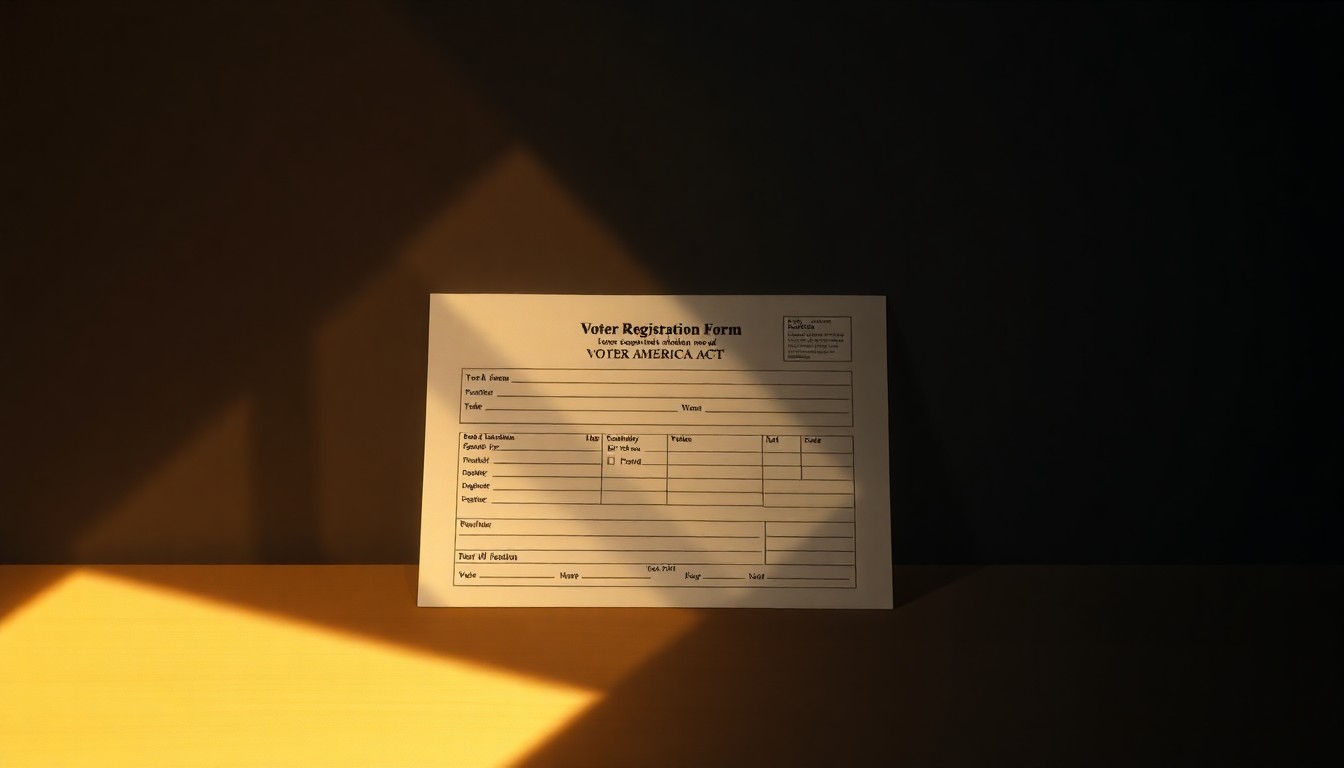 The SAVE America Act's new voter ID requirements could create significant hurdles for millions of married women seeking to exercise their right to vote.Akron Today
Millions of women could face new challenges to voting under President Donald Trump's SAVE America Act, which would require voters to prove their citizenship before casting a ballot. The proposal holds potentially outsized consequences for millions of married and divorced women, transgender individuals and others who have changed their names, as many as 69 million American women have birth certificates that don't match their current name.
Why it matters
The SAVE America Act reflects a long-running effort by Trump to assert more federal control over elections, which critics say is an unneeded and poorly drafted measure that could disenfranchise American voters struggling to obtain the documents they need in time. The legislation would have a disproportionate effect on women, as 84% of women in opposite-sex marriages take either their husband's last name or hyphenate their name.
The details
The federal legislation would mandate that most Americans show a birth certificate or passport to register to vote. But people with names that don't match their birth certificate in some instances could have to produce additional documents like a marriage certificate or divorce decree linking their past and current identities. The House-passed version of the bill says that when individuals applying to register have names that don't match the name on their proof-of-citizenship documents, they could provide 'additional documentation as necessary to establish that the name on the documentation is a previous name of the applicant' or sign an affidavit affirming that the name on the documents is their previous name.
- The SAVE America Act has passed the House and is currently being debated in the U.S. Senate.
- The new requirements would take immediate effect if the legislation is enacted, throwing the election process into chaos in a midterm election year as millions of people registering to vote attempt to prove their citizenship.
The players
Donald Trump
The former president who proposed the SAVE America Act, which would require voters to prove their citizenship before casting a ballot.
Letitia Harmon
A senior director of policy and research at Florida Rising, a racial and economic justice nonprofit, who has personal experience with state proof-of-citizenship laws and is concerned about the impact of the SAVE America Act on women who have changed their names.
Shenna Bellows
The Democratic Maine Secretary of State who said the impact of the SAVE America Act on women is 'going to be huge and it's going to be very problematic.'
Alison Gill
The director of nominations and democracy at the National Women's Law Center, a progressive legal advocacy group, who said the affidavit provision in the SAVE America Act is unclear and could lead to strict enforcement by election officials.
Lisa Murkowski
The Alaska Republican senator who has raised concerns about how the SAVE America Act would affect married women, noting that an estimated 155,000 female citizens in Alaska age 15 and older have names that don't match their birth certificates.
What they’re saying
“It's heartbreaking and it's infuriating. It feels like we're going backwards.”
— Letitia Harmon, senior director of policy and research at Florida Rising
“Given that 85% of American women change their name when they get married, the impact on women is going to be huge and it's going to be very problematic.”
— Shenna Bellows, Maine Secretary of State
“Ultimately, this puts the burden on election officials, who face criminal and civil liability under the bill, potentially to decide whether to risk registering a person with mismatching documents.”
— Alison Gill, director of nominations and democracy at the National Women's Law Center
“Again, is it impossible? No. Is it going to be really challenging? Absolutely, yes.”
— Lisa Murkowski, Alaska Republican Senator
What’s next
The SAVE America Act would almost certainly face legal challenges if it became law, and the Supreme Court would come under immense pressure to weigh in because of the sweeping, nationwide changes in the legislation. Some federal courts have ruled against proof-of-citizenship voter registration requirements in the past, and the provisions on name changes alone could face their own legal challenges.
The takeaway
The SAVE America Act reflects a broader effort by Trump and his allies to assert more federal control over elections, which critics say could disproportionately impact women, particularly those who have changed their names through marriage or divorce. The legislation's potential to create new barriers to voting has raised concerns about its constitutionality and the risk of disenfranchising eligible voters.
Akron top stories

Akron events
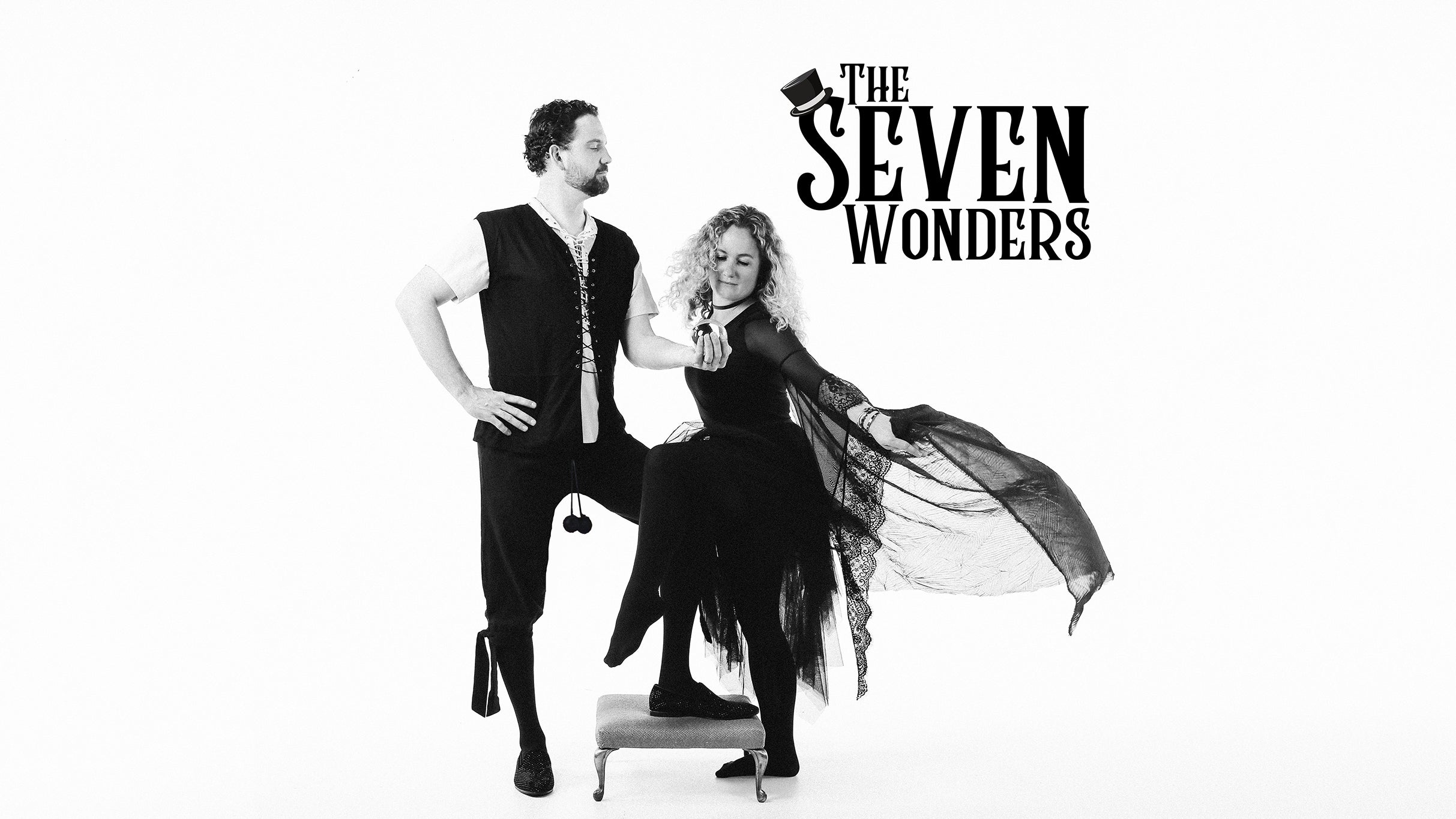
Apr. 10, 2026
The Seven Wonders: A Tribute to Fleetwood Mac
Apr. 10, 2026
Linda Ronstadt Tribute Band - Bayou Blue
Apr. 11, 2026
Akron Symphony Orchestra; Appalachian Spring