- Today
- Holidays
- Birthdays
- Reminders
- Cities
- Atlanta
- Austin
- Baltimore
- Berwyn
- Beverly Hills
- Birmingham
- Boston
- Brooklyn
- Buffalo
- Charlotte
- Chicago
- Cincinnati
- Cleveland
- Columbus
- Dallas
- Denver
- Detroit
- Fort Worth
- Houston
- Indianapolis
- Knoxville
- Las Vegas
- Los Angeles
- Louisville
- Madison
- Memphis
- Miami
- Milwaukee
- Minneapolis
- Nashville
- New Orleans
- New York
- Omaha
- Orlando
- Philadelphia
- Phoenix
- Pittsburgh
- Portland
- Raleigh
- Richmond
- Rutherford
- Sacramento
- Salt Lake City
- San Antonio
- San Diego
- San Francisco
- San Jose
- Seattle
- Tampa
- Tucson
- Washington
Uniondale Today
By the People, for the People
Marquis Who's Who Honors Cardiovascular Physiology Expert
Dr. Roland N. Pittman recognized for his work at Virginia Commonwealth University.
Apr. 10, 2026 at 5:03pm
Got story updates? Submit your updates here. ›
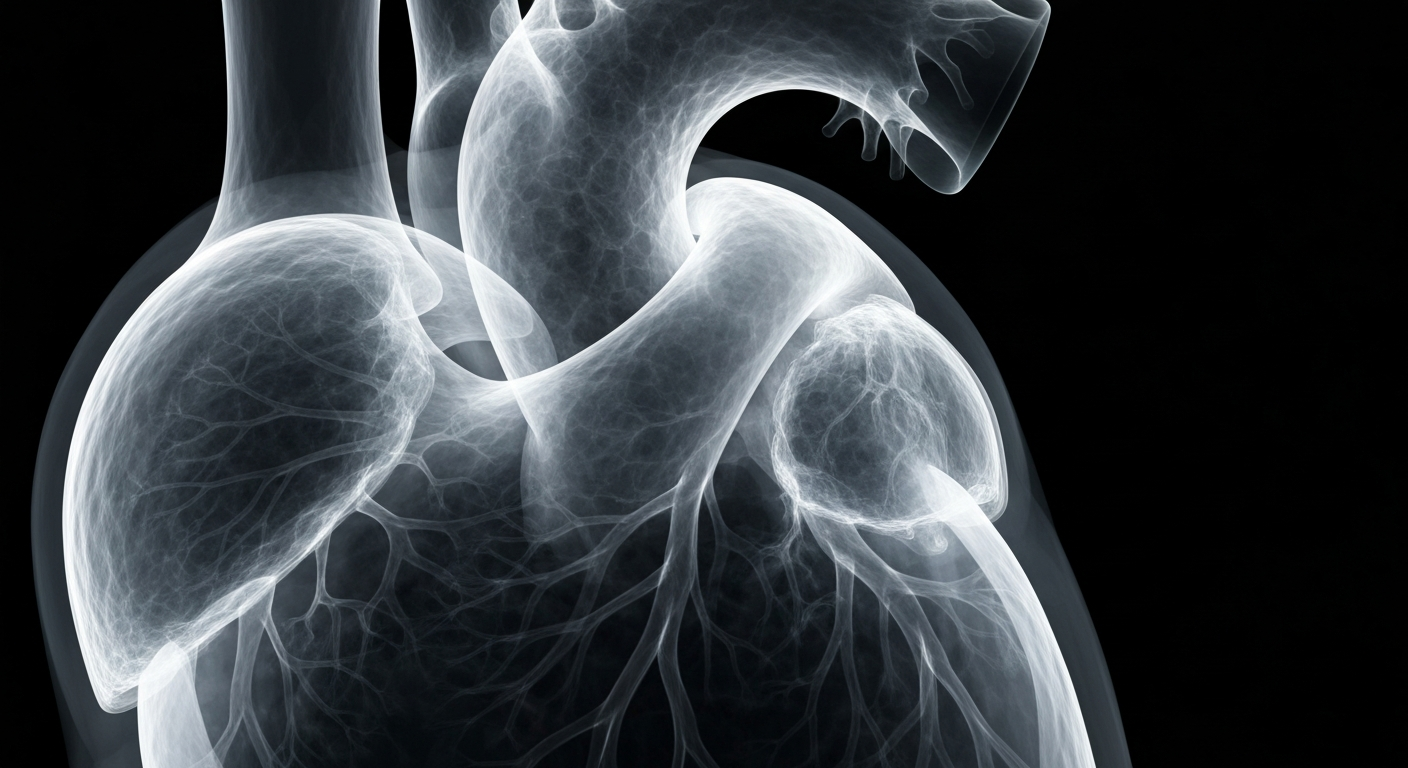 The recognition of Dr. Pittman's expertise in cardiovascular physiology could lead to breakthroughs in understanding and treating heart-related conditions.Uniondale Today
Marquis Who's Who has honored Dr. Roland N. Pittman, a professor at Virginia Commonwealth University, for his expertise in the field of cardiovascular physiology. Dr. Pittman is a preeminent figure in this area of study, known for his research on the regulation of tissue oxygenation.
Why it matters
Dr. Pittman's work in cardiovascular physiology has contributed significantly to the understanding of how the cardiovascular system functions and how it can be impacted by various medical conditions. His research has the potential to lead to advancements in the prevention and treatment of cardiovascular diseases.
The details
As a professor at Virginia Commonwealth University, Dr. Pittman has dedicated his career to studying the intricacies of the cardiovascular system, with a particular focus on the regulation of tissue oxygenation. His research has been widely recognized and he is considered a leading authority in the field of cardiovascular physiology.
- Dr. Pittman was honored by Marquis Who's Who on April 9, 2026.
The players
Roland N. Pittman, PhD
A professor at Virginia Commonwealth University and a preeminent figure in the field of cardiovascular physiology.
Marquis Who's Who
A biographical reference guide that honors individuals for their expertise and contributions in various fields.
What they’re saying
“Regulation of Tissue Oxygenation”
— Roland N. Pittman, PhD, Professor
The takeaway
Dr. Pittman's recognition by Marquis Who's Who highlights the importance of his research in cardiovascular physiology and its potential to contribute to advancements in the prevention and treatment of cardiovascular diseases.