- Today
- Holidays
- Birthdays
- Reminders
- Cities
- Atlanta
- Austin
- Baltimore
- Berwyn
- Beverly Hills
- Birmingham
- Boston
- Brooklyn
- Buffalo
- Charlotte
- Chicago
- Cincinnati
- Cleveland
- Columbus
- Dallas
- Denver
- Detroit
- Fort Worth
- Houston
- Indianapolis
- Knoxville
- Las Vegas
- Los Angeles
- Louisville
- Madison
- Memphis
- Miami
- Milwaukee
- Minneapolis
- Nashville
- New Orleans
- New York
- Omaha
- Orlando
- Philadelphia
- Phoenix
- Pittsburgh
- Portland
- Raleigh
- Richmond
- Rutherford
- Sacramento
- Salt Lake City
- San Antonio
- San Diego
- San Francisco
- San Jose
- Seattle
- Tampa
- Tucson
- Washington
Amazon Faces Unionization Efforts and Rising Costs
Retail giant grapples with labor challenges and supply chain pressures
Apr. 3, 2026 at 7:39am
Got story updates? Submit your updates here. ›
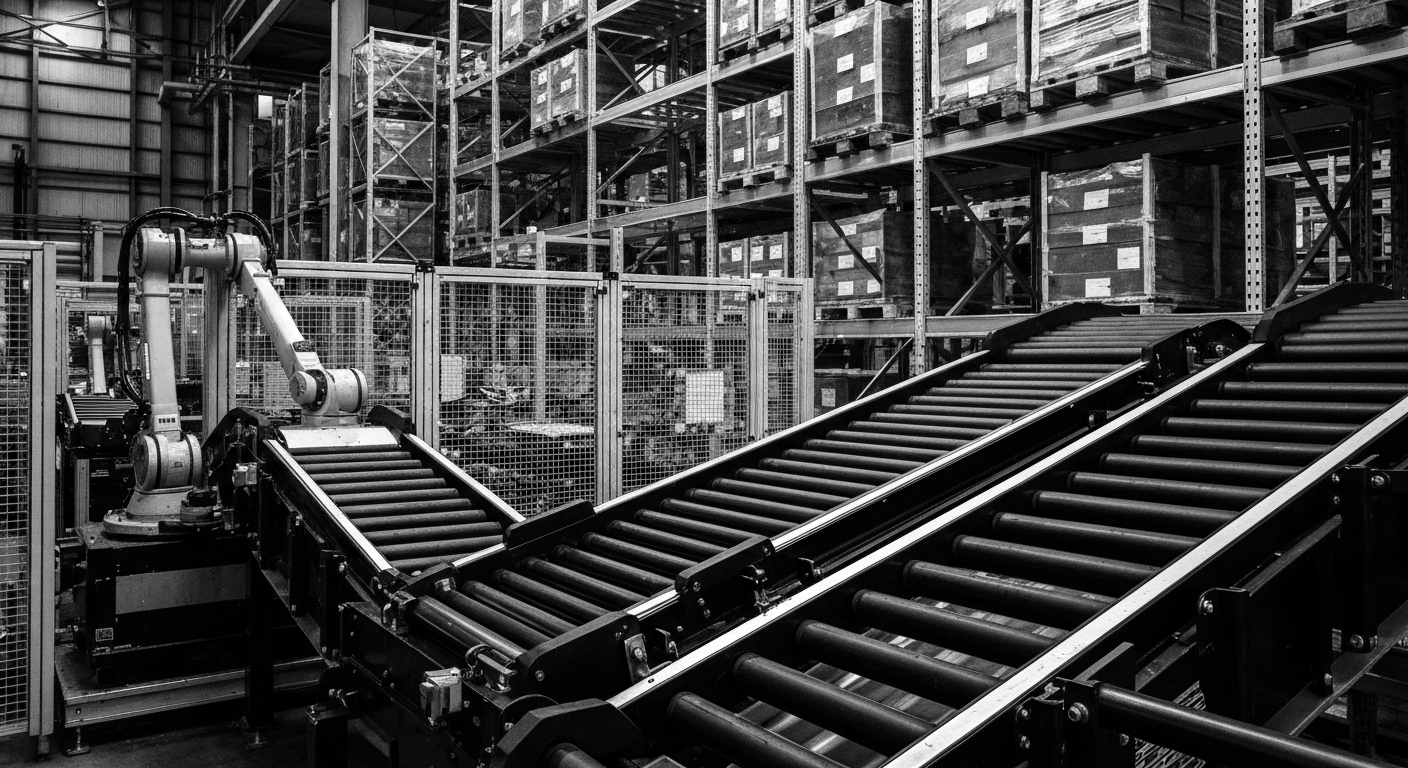 Amazon's vast logistics network faces growing pressures from labor challenges and supply chain costs.Staten Island Today
Amazon.com, Inc. is facing a series of challenges, including a recent NLRB ruling that requires the company to negotiate with a union representing around 5,000 workers at a Staten Island warehouse. Additionally, Amazon has announced a 3.5% 'fuel and logistics' surcharge for third-party sellers to offset higher transportation costs driven by the ongoing Iran war, which could squeeze seller economics and lead to higher prices for consumers.
Why it matters
These developments highlight the growing labor and cost pressures facing Amazon as it navigates a complex operating environment. The potential for increased unionization efforts and rising fulfillment expenses could impact the company's profitability and competitiveness in the long run, especially as it competes with rivals like Walmart and faces broader macroeconomic headwinds.
The details
The NLRB ruling requires Amazon to negotiate with the Amazon Labor Union, which represents around 5,000 workers at the company's Staten Island warehouse. This marks a significant victory for labor organizers and could pave the way for further unionization efforts at Amazon's facilities. Additionally, Amazon has informed U.S. and Canadian third-party sellers that it will add a 3.5% 'fuel and logistics' surcharge to fulfillment fees starting April 17, in an effort to offset higher transportation costs driven by the Iran war. This move could squeeze seller economics and lead to higher prices for consumers, potentially impacting Amazon's competitiveness.
- The NLRB ruling was issued in March 2026.
- Amazon's 3.5% surcharge for third-party sellers will take effect on April 17, 2026.
The players
Amazon.com, Inc.
A diversified technology and retail company best known for its e-commerce marketplace and broad portfolio of consumer and enterprise services.
Amazon Labor Union
A labor union representing around 5,000 workers at Amazon's Staten Island warehouse.
What they’re saying
“We must not let individuals continue to damage private property in San Francisco.”
— Robert Jenkins, San Francisco resident
What’s next
The NLRB ruling will require Amazon to negotiate with the Amazon Labor Union, which could lead to further unionization efforts at the company's facilities. Additionally, the impact of the 3.5% surcharge on third-party sellers and consumer prices remains to be seen.
The takeaway
Amazon's challenges with labor and rising costs highlight the complexities the company faces as it navigates a dynamic operating environment. These issues could have long-term implications for the company's profitability and competitiveness, particularly as it faces broader macroeconomic headwinds.
Staten Island top stories


Staten Island events

Apr. 3, 2026
Circus Vazquez - Staten Island
Apr. 4, 2026
Circus Vazquez - Staten Island
Apr. 4, 2026
Circus Vazquez - Staten Island