- Today
- Holidays
- Birthdays
- Reminders
- Cities
- Atlanta
- Austin
- Baltimore
- Berwyn
- Beverly Hills
- Birmingham
- Boston
- Brooklyn
- Buffalo
- Charlotte
- Chicago
- Cincinnati
- Cleveland
- Columbus
- Dallas
- Denver
- Detroit
- Fort Worth
- Houston
- Indianapolis
- Knoxville
- Las Vegas
- Los Angeles
- Louisville
- Madison
- Memphis
- Miami
- Milwaukee
- Minneapolis
- Nashville
- New Orleans
- New York
- Omaha
- Orlando
- Philadelphia
- Phoenix
- Pittsburgh
- Portland
- Raleigh
- Richmond
- Rutherford
- Sacramento
- Salt Lake City
- San Antonio
- San Diego
- San Francisco
- San Jose
- Seattle
- Tampa
- Tucson
- Washington
UAE's Heavy Rains: Can They Solve Water Security Challenges?
The UAE's Rainy Day Fund: A Drop in the Ocean or a Strategic Lifeline?
Apr. 12, 2026 at 4:11am
Got story updates? Submit your updates here. ›
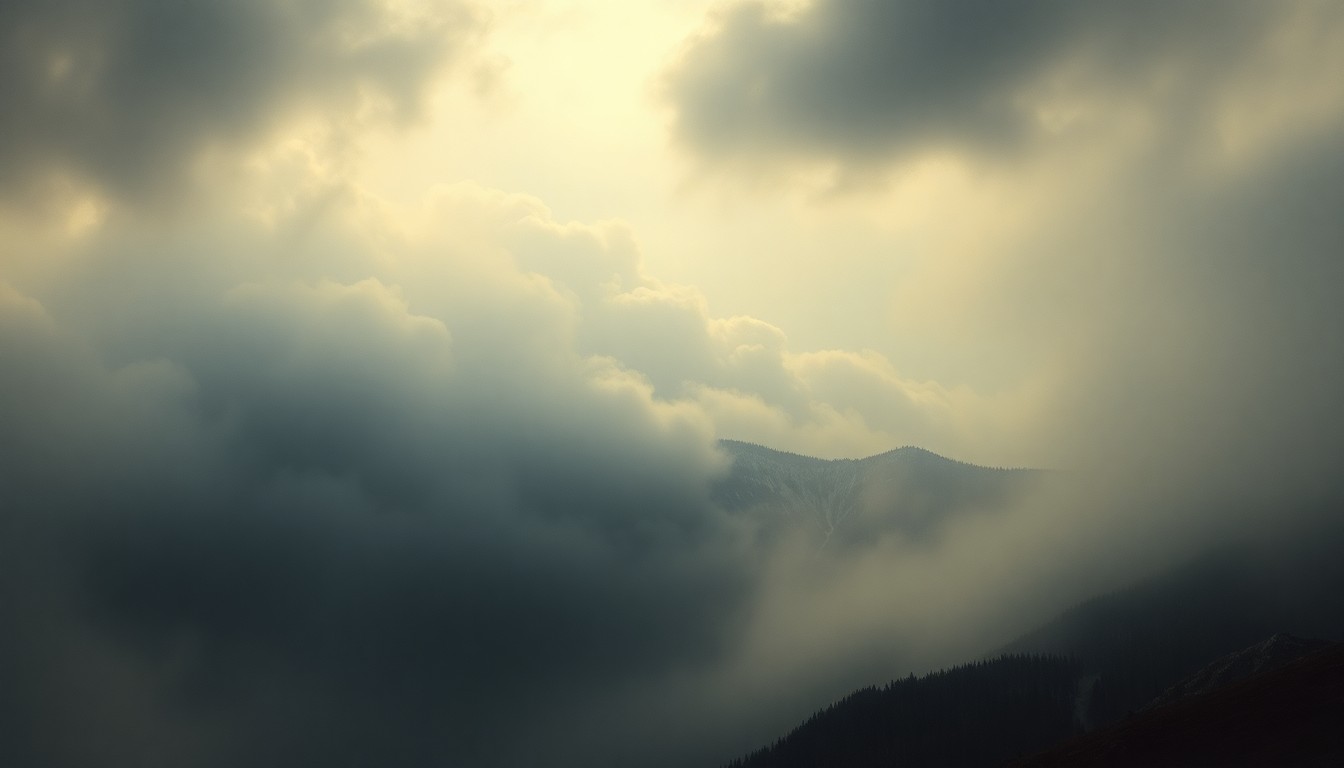 The UAE's reliance on desalination and limited natural water resources is dwarfed by the overwhelming power of the region's rare, yet intense, weather patterns.Rochester Today
The UAE recently experienced rare heavy rains, sparking a debate on whether these downpours can truly make a dent in the country's long-term water security challenges or if they are merely a temporary respite. Experts weigh in on the complex interplay of supply, demand, and the role of climate change in the UAE's water crisis.
Why it matters
The UAE's water crisis is a systemic issue that requires a holistic approach. While the recent rains provide a temporary boost to aquifers, they do not address the underlying problems of limited natural freshwater resources, high per capita consumption, and the energy-intensive nature of desalination. Understanding the nuances of this crisis is crucial for the UAE to develop sustainable long-term solutions.
The details
The UAE's water supply is heavily reliant on shallow aquifers and desalination, both of which are under immense strain. Groundwater reserves provide about half the country's water, but the salt concentration in some aquifers is skyrocketing, making the water unsuitable for agriculture or drinking. Desalination accounts for 40% of the UAE's water supply, but the process is energy-intensive and contributes to climate change, the very force exacerbating water scarcity. The UAE has made strides in water infrastructure, such as building dams and barriers to capture stormwater, but experts say behavioral changes and innovative solutions are equally critical.
- The UAE experienced heavy rains this week, a rare occurrence in the desert nation.
- According to Dr. Diana Francis of Khalifa University, the recent rains are statistically rare, occurring once every 10 to 50 years.
The players
Dr. Mohamed Dawoud
An expert from the Environment Agency – Abu Dhabi (EAD) who noted that the recent rains have boosted aquifers in certain areas.
Dr. Diana Francis
A researcher from Khalifa University who stated that the recent rains are statistically rare, occurring once every 10 to 50 years.
Inesaf Benzaki
A representative from Greenpeace Mena who pointed out that the heavy rains can overwhelm collection infrastructure, reducing their effectiveness.
Dr. Nasser Karami
An expert who recommended reinvesting in floodwater storage, reusing treated wastewater, and reducing consumption as steps to address the UAE's water challenges.
Dr. Mohamed Dawoud
An expert from the Environment Agency – Abu Dhabi (EAD) who noted that the recent rains have boosted aquifers in certain areas.
What they’re saying
“These rains are statistically rare—a one-in-10 to one-in-50-year event.”
— Dr. Diana Francis, Researcher, Khalifa University
“Such rains can overwhelm collection infrastructure, rendering them less effective than we might hope.”
— Inesaf Benzaki, Representative, Greenpeace Mena
What’s next
The judge in the case will decide on Tuesday whether or not to allow Walker Reed Quinn out on bail.
The takeaway
This case highlights growing concerns in the community about repeat offenders released on bail, raising questions about bail reform, public safety on SF streets, and if any special laws to govern autonomous vehicles in residential and commercial areas.
Rochester top stories


Rochester events

Apr. 15, 2026
Rochester Red Wings vs. Buffalo Bisons
Apr. 15, 2026
Tempest
Apr. 15, 2026
An Evening of Alton Brown