- Today
- Holidays
- Birthdays
- Reminders
- Cities
- Atlanta
- Austin
- Baltimore
- Berwyn
- Beverly Hills
- Birmingham
- Boston
- Brooklyn
- Buffalo
- Charlotte
- Chicago
- Cincinnati
- Cleveland
- Columbus
- Dallas
- Denver
- Detroit
- Fort Worth
- Houston
- Indianapolis
- Knoxville
- Las Vegas
- Los Angeles
- Louisville
- Madison
- Memphis
- Miami
- Milwaukee
- Minneapolis
- Nashville
- New Orleans
- New York
- Omaha
- Orlando
- Philadelphia
- Phoenix
- Pittsburgh
- Portland
- Raleigh
- Richmond
- Rutherford
- Sacramento
- Salt Lake City
- San Antonio
- San Diego
- San Francisco
- San Jose
- Seattle
- Tampa
- Tucson
- Washington
Super-Earths May Harbor Hidden Magma Oceans to Shield Life from Cosmic Radiation
New research suggests molten rock layers on larger exoplanets could generate powerful magnetic fields to protect against harmful particles.
Apr. 12, 2026 at 12:49am
Got story updates? Submit your updates here. ›
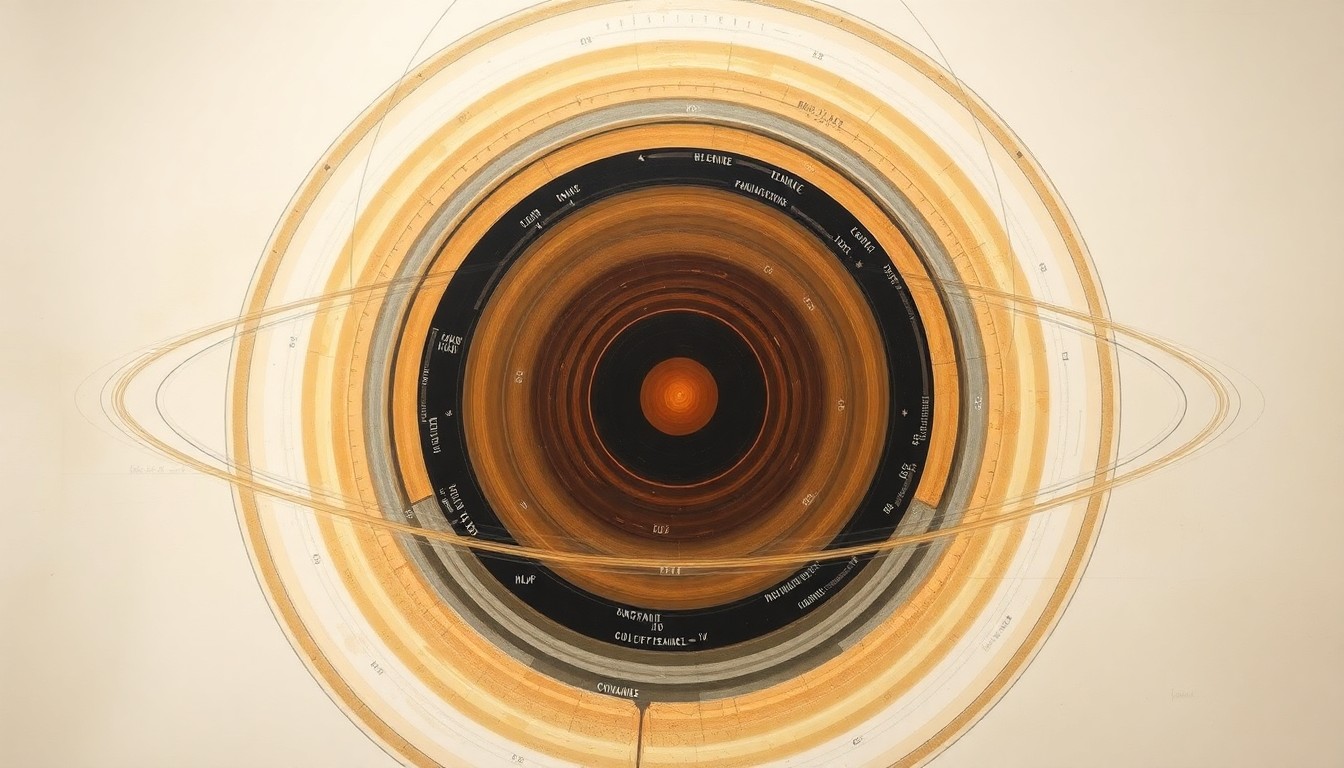 An artist's interpretation of a super-earth with a hidden magma ocean acting as a protective shield against cosmic radiation, potentially enabling the development of life on distant exoplanets.Rochester Today
Researchers at the University of Rochester have discovered that super-earths, rocky planets larger than Earth, may possess hidden basal magma oceans (BMOs) beneath their surfaces. These molten rock layers could generate robust magnetic fields capable of shielding the planets from damaging cosmic radiation, potentially enabling the development of life.
Why it matters
Understanding the interior structures and magnetic fields of super-earths is crucial for determining their habitability. Unlike Earth, whose magnetic field is generated by its liquid iron core, super-earths may rely on BMOs to produce the necessary magnetic protection against hazardous radiation from space.
The details
The researchers, led by Miki Nakajima, an associate professor in the Department of Earth and Environmental Sciences, conducted laser shock experiments and quantum mechanical simulations to study the behavior of molten rock under the extreme pressures found inside super-earths. They found that the deep-mantle molten rock can become electrically conductive enough to support a strong and long-lasting magnetic field, potentially shielding the planets from cosmic radiation and enabling the development of life.
- The research was published in the journal Nature Astronomy in April 2026.
The players
Miki Nakajima
An associate professor in the Department of Earth and Environmental Sciences at the University of Rochester, who led the research team investigating the potential for hidden magma oceans on super-earths.
University of Rochester
The institution where the research was conducted, including the Laboratory for Laser Energetics where the laser shock experiments were performed.
What they’re saying
“Many terrestrial planets in our solar system, such as Venus and Mars, lack sufficient magnetic fields because their cores do not meet the necessary physical conditions. On the other hand, super-earths might generate dynamos in their molten rock layers, thereby enhancing their capacity to support life.”
— Miki Nakajima, Associate Professor, Department of Earth and Environmental Sciences
What’s next
The researchers are eagerly anticipating future observations of exoplanets to validate their hypotheses about the potential for hidden magma oceans and their role in generating protective magnetic fields.
The takeaway
This research suggests that super-earths, which are the most commonly detected class of exoplanets in our galaxy, may possess the necessary conditions to support the development of life through the presence of hidden magma oceans that can generate powerful magnetic fields to shield against harmful cosmic radiation.
Rochester top stories



Rochester events

Apr. 15, 2026
Rochester Red Wings vs. Buffalo Bisons
Apr. 15, 2026
Tempest
Apr. 15, 2026
An Evening of Alton Brown