- Today
- Holidays
- Birthdays
- Reminders
- Cities
- Atlanta
- Austin
- Baltimore
- Berwyn
- Beverly Hills
- Birmingham
- Boston
- Brooklyn
- Buffalo
- Charlotte
- Chicago
- Cincinnati
- Cleveland
- Columbus
- Dallas
- Denver
- Detroit
- Fort Worth
- Houston
- Indianapolis
- Knoxville
- Las Vegas
- Los Angeles
- Louisville
- Madison
- Memphis
- Miami
- Milwaukee
- Minneapolis
- Nashville
- New Orleans
- New York
- Omaha
- Orlando
- Philadelphia
- Phoenix
- Pittsburgh
- Portland
- Raleigh
- Richmond
- Rutherford
- Sacramento
- Salt Lake City
- San Antonio
- San Diego
- San Francisco
- San Jose
- Seattle
- Tampa
- Tucson
- Washington
North Sea Today
By the People, for the People
Labour Faces Tough Choices on North Sea Drilling vs. Green Energy
Miliband's dilemma highlights the tension between short-term political pressures and long-term climate commitments.
Apr. 12, 2026 at 1:36am
Got story updates? Submit your updates here. ›
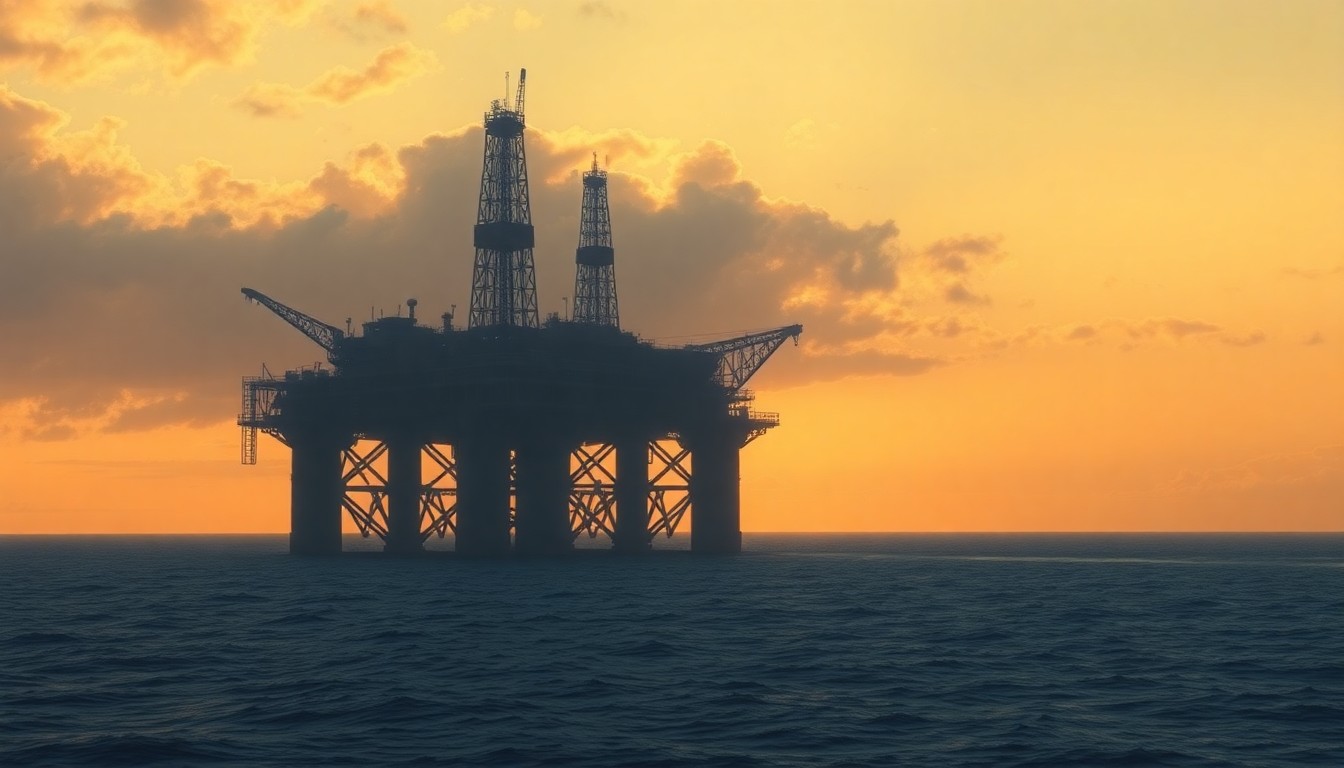 As the debate over North Sea drilling intensifies, the industry's future remains shrouded in uncertainty.North Sea Today
As the cost-of-living crisis puts pressure on Labour to support new North Sea oil and gas drilling, party leader Ed Miliband faces a difficult choice between appeasing voters with quick fixes or staying true to the party's green energy agenda. Experts argue that while new drilling may provide political optics, it won't actually lower energy bills in the short term, and could undermine Labour's long-term climate goals.
Why it matters
This debate exposes the challenge big-tent parties face in balancing immediate voter concerns with long-term policy priorities. Labour's vulnerability is being exploited by opponents who are framing the issue as a moral conflict rather than a complex economic trade-off, putting the party at risk of losing credibility on both sides.
The details
The proposal for new North Sea oil and gas licenses is being pitched as a direct route to lower fuel bills, but experts say the benefits wouldn't be felt quickly enough to address the current crisis. Meanwhile, expanding domestic drilling wouldn't insulate the UK from global fossil fuel market volatility. In contrast, investing in renewable energy could reduce reliance on imported gas and provide more predictable, resilient power.
- The cost-of-living crisis has intensified in recent months, putting pressure on the government to act.
- Labour campaigned on a green-first worldview, with Miliband's personal identity tied to fighting climate change.
The players
Ed Miliband
The leader of the Labour Party, who is facing a difficult decision on whether to support new North Sea drilling or stay true to the party's green energy commitments.
Nigel Farage
The former leader of the Reform UK party, who is framing the drilling debate as a moral conflict between "wokerati elites" and "ordinary people" in an attempt to gain political traction.
What’s next
Labour will need to carefully navigate this issue, weighing the short-term political pressures against the party's long-term climate commitments. The outcome could have significant implications for Miliband's leadership and Labour's credibility on energy policy.
The takeaway
This debate highlights the broader challenge facing big-tent parties in balancing immediate voter concerns with long-term policy priorities. Labour's vulnerability to being portrayed as out-of-touch elites could undermine its ability to enact meaningful climate action, unless the party can effectively communicate a vision that addresses both short-term economic anxieties and long-term energy resilience.