- Today
- Holidays
- Birthdays
- Reminders
- Cities
- Atlanta
- Austin
- Baltimore
- Berwyn
- Beverly Hills
- Birmingham
- Boston
- Brooklyn
- Buffalo
- Charlotte
- Chicago
- Cincinnati
- Cleveland
- Columbus
- Dallas
- Denver
- Detroit
- Fort Worth
- Houston
- Indianapolis
- Knoxville
- Las Vegas
- Los Angeles
- Louisville
- Madison
- Memphis
- Miami
- Milwaukee
- Minneapolis
- Nashville
- New Orleans
- New York
- Omaha
- Orlando
- Philadelphia
- Phoenix
- Pittsburgh
- Portland
- Raleigh
- Richmond
- Rutherford
- Sacramento
- Salt Lake City
- San Antonio
- San Diego
- San Francisco
- San Jose
- Seattle
- Tampa
- Tucson
- Washington
North Sea Today
By the People, for the People
UK Faces Dilemma Over North Sea Oil and Gas Drilling
Labour's green agenda clashes with energy security concerns as industry leaders push for pragmatic approach
Apr. 11, 2026 at 5:26am
Got story updates? Submit your updates here. ›
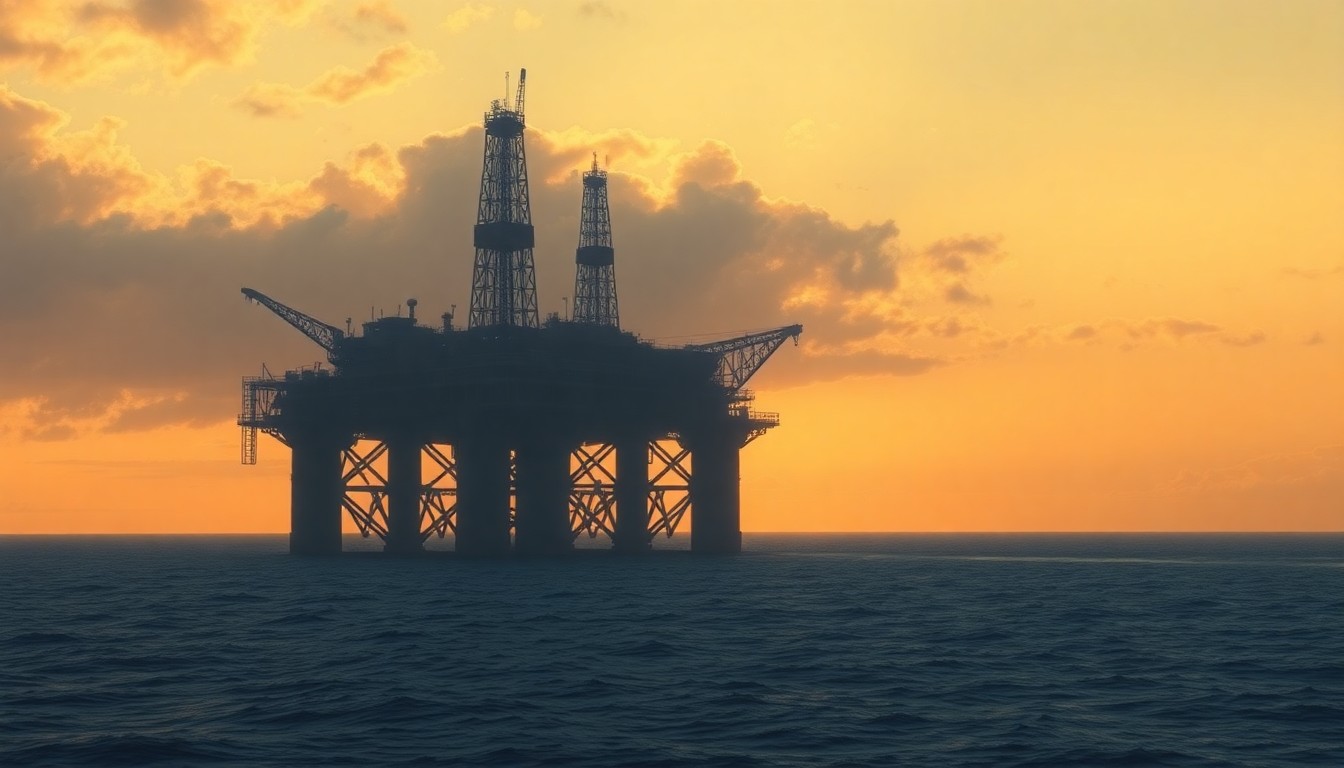
 As the UK grapples with balancing its green energy goals and domestic oil and gas production, the debate over North Sea drilling reveals the complex tradeoffs inherent in the energy transition.North Sea Today
The UK is grappling with a complex debate over the future of North Sea oil and gas drilling, pitting Labour's ambitious green agenda led by Ed Miliband against growing calls for pragmatism from industry leaders like RenewableUK's Tara Singh. While Miliband seeks to phase out fossil fuels, Singh argues that domestic production is a matter of national security, not just ideology, warning that overdependence on imports could leave the country vulnerable. This paradox reflects the broader challenges of balancing environmental goals with energy stability, as the UK navigates an uncertain global landscape marked by geopolitical tensions and price volatility.
Why it matters
The debate over North Sea drilling highlights the difficult tradeoffs between environmental priorities and energy security that governments must navigate. As the UK transitions towards renewable energy, maintaining a balanced approach that doesn't leave the country exposed is crucial. This issue also reflects the broader politicization of energy policy, where competing visions of the future have turned it into a culture war battleground.
The details
RenewableUK chief executive Tara Singh has broken ranks with Labour's green agenda, urging Ed Miliband to reconsider his stance on North Sea oil and gas drilling. Singh argues that domestic production is a matter of national security, not just ideology, warning that overdependence on imports could leave the UK vulnerable to global market fluctuations and geopolitical tensions. Meanwhile, Miliband is facing pressure from both sides, with industry leaders like Octopus Energy's Greg Jackson and even Labour-backing unions pushing for a more pragmatic approach, while Green Party activists demand a hardline stance against drilling.
- In April 2026, the debate over North Sea drilling is unfolding in British politics.
The players
Ed Miliband
The leader of the Labour Party and the face of its ambitious green agenda.
Tara Singh
The chief executive of RenewableUK, the wind farm industry association, who has broken ranks to urge Miliband to rethink his stance on North Sea oil and gas drilling.
Greg Jackson
The chief executive of Octopus Energy, a major renewable energy company, who is pushing for a more pragmatic approach to North Sea drilling.
What they’re saying
“Britain's energy security can't be left to the whims of global markets, especially in a world where geopolitical tensions—like the Iran war—can send prices soaring overnight.”
— Tara Singh, Chief Executive, RenewableUK
“Shutting [the North Sea] down prematurely could mean swapping one dependency for another—and at a higher cost, both economically and environmentally.”
— Tara Singh, Chief Executive, RenewableUK
What’s next
The debate over North Sea drilling is expected to continue as the UK government weighs the balance between environmental goals and energy security. Miliband's decision on whether to grant new drilling licenses will be closely watched, as it could have significant implications for the country's energy future.
The takeaway
The clash between Ed Miliband's green agenda and industry leaders' calls for pragmatism on North Sea drilling highlights the complex tradeoffs involved in the energy transition. Balancing environmental priorities with energy security and stability is crucial, but it requires nuance and compromise rather than ideological purity. This debate reflects the broader politicization of energy policy, where competing visions of the future have turned it into a culture war battleground.