- Today
- Holidays
- Birthdays
- Reminders
- Cities
- Atlanta
- Austin
- Baltimore
- Berwyn
- Beverly Hills
- Birmingham
- Boston
- Brooklyn
- Buffalo
- Charlotte
- Chicago
- Cincinnati
- Cleveland
- Columbus
- Dallas
- Denver
- Detroit
- Fort Worth
- Houston
- Indianapolis
- Knoxville
- Las Vegas
- Los Angeles
- Louisville
- Madison
- Memphis
- Miami
- Milwaukee
- Minneapolis
- Nashville
- New Orleans
- New York
- Omaha
- Orlando
- Philadelphia
- Phoenix
- Pittsburgh
- Portland
- Raleigh
- Richmond
- Rutherford
- Sacramento
- Salt Lake City
- San Antonio
- San Diego
- San Francisco
- San Jose
- Seattle
- Tampa
- Tucson
- Washington
North Sea Today
By the People, for the People
UK PM Starmer Blames Trump and Putin for Energy Crisis
Starmer claims Britain's energy woes are due to global events beyond its control, but critics say the government's own policies are to blame.
Apr. 10, 2026 at 11:55am
Got story updates? Submit your updates here. ›
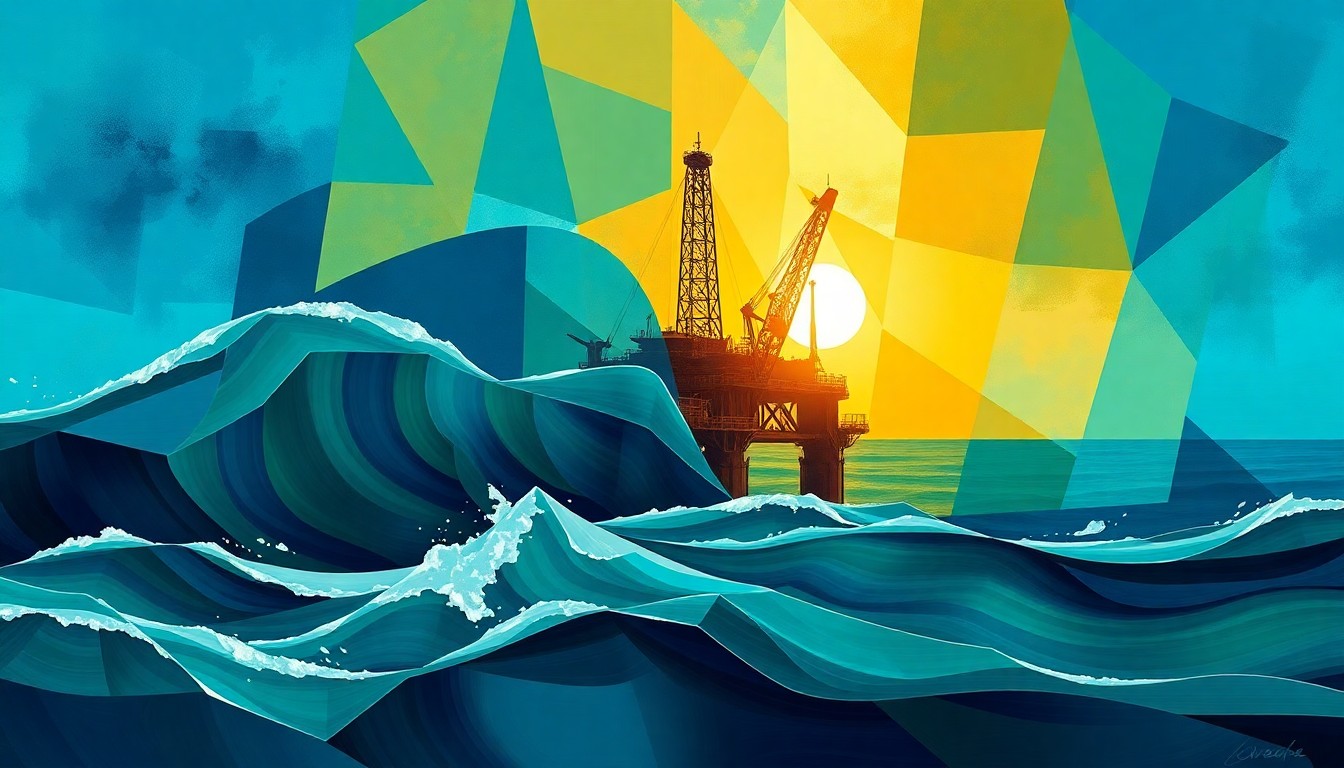
 The UK government's inability to ensure its own energy security has left the country at the mercy of global events and market forces.North Sea Today
UK Prime Minister Sir Keir Starmer has blamed US President Donald Trump and Russian President Vladimir Putin for the country's energy crisis, equating the two leaders as villains responsible for volatile energy prices. However, critics argue that the UK government's own policy decisions, including banning domestic energy production, have left the country vulnerable to global events and unable to ensure its own energy security.
Why it matters
The UK's reliance on imported energy and unwillingness to develop domestic resources has exposed the country to the whims of global geopolitics and market fluctuations. This has led to soaring energy costs for British consumers and businesses, further deindustrializing the nation's economy. The government's response of subsidizing bills rather than addressing the root causes has drawn criticism from across the political spectrum.
The details
Despite the Ukraine war starting over a decade ago, the British government has remained resistant to improving its own energy security. The country has considerable reserves of coal, oil and gas, as well as potential for shale gas, yet the government has banned domestic energy production and decommissioned even emergency backup coal plants. Meanwhile, the government has failed to maintain strategic gas reserves or utilize former storage sites, leaving the UK at the mercy of global energy markets.
- The Ukraine war began over a decade ago and the full-scale Russian invasion occurred over four years ago.
- On Thursday, the UK Foreign Secretary said the Strait of Hormuz 'must not' be anything but totally open and free, despite the government's inability to enforce that due to defense cuts.
The players
Sir Keir Starmer
The UK's left-wing Prime Minister who has blamed US President Donald Trump and Russian President Vladimir Putin for the country's energy crisis.
Donald Trump
The former US President whom Starmer has equated with Putin as a villain responsible for the UK's energy woes.
Vladimir Putin
The President of the Russian Federation whom Starmer has equated with Trump as a villain responsible for the UK's energy woes.
Ed Miliband
The UK's Energy Minister whose 'green transition dogma' has prevented the government from pursuing domestic energy production solutions to the crisis.
Tony Blair
The former UK Prime Minister who is now calling on Miliband to reverse course and approve new North Sea drilling to help keep the economy alive.
What they’re saying
“I'm fed up with the fact that families across the country see their bills go up and down on energy, businesses' bills go up and down on energy because of the actions of Putin or Trump across the world.”
— Sir Keir Starmer, UK Prime Minister
What’s next
The UK government is reportedly leading efforts to put together an international coalition to police the Strait of Hormuz, a critical oil chokepoint, but progress has stalled amid the ongoing ceasefire negotiations.
The takeaway
The UK's reliance on imported energy and unwillingness to develop domestic resources has left the country vulnerable to global events and market fluctuations, leading to soaring energy costs that are further deindustrializing the economy. Rather than addressing the root causes, the government has resorted to subsidizing bills and blaming external factors, drawing criticism from across the political spectrum.