- Today
- Holidays
- Birthdays
- Reminders
- Cities
- Atlanta
- Austin
- Baltimore
- Berwyn
- Beverly Hills
- Birmingham
- Boston
- Brooklyn
- Buffalo
- Charlotte
- Chicago
- Cincinnati
- Cleveland
- Columbus
- Dallas
- Denver
- Detroit
- Fort Worth
- Houston
- Indianapolis
- Knoxville
- Las Vegas
- Los Angeles
- Louisville
- Madison
- Memphis
- Miami
- Milwaukee
- Minneapolis
- Nashville
- New Orleans
- New York
- Omaha
- Orlando
- Philadelphia
- Phoenix
- Pittsburgh
- Portland
- Raleigh
- Richmond
- Rutherford
- Sacramento
- Salt Lake City
- San Antonio
- San Diego
- San Francisco
- San Jose
- Seattle
- Tampa
- Tucson
- Washington
Take a Stand Against DRM
DRM throttles property rights and turns owners into criminals, so join the fight against digital restrictions management
Apr. 20, 2026 at 8:58am
Got story updates? Submit your updates here. ›
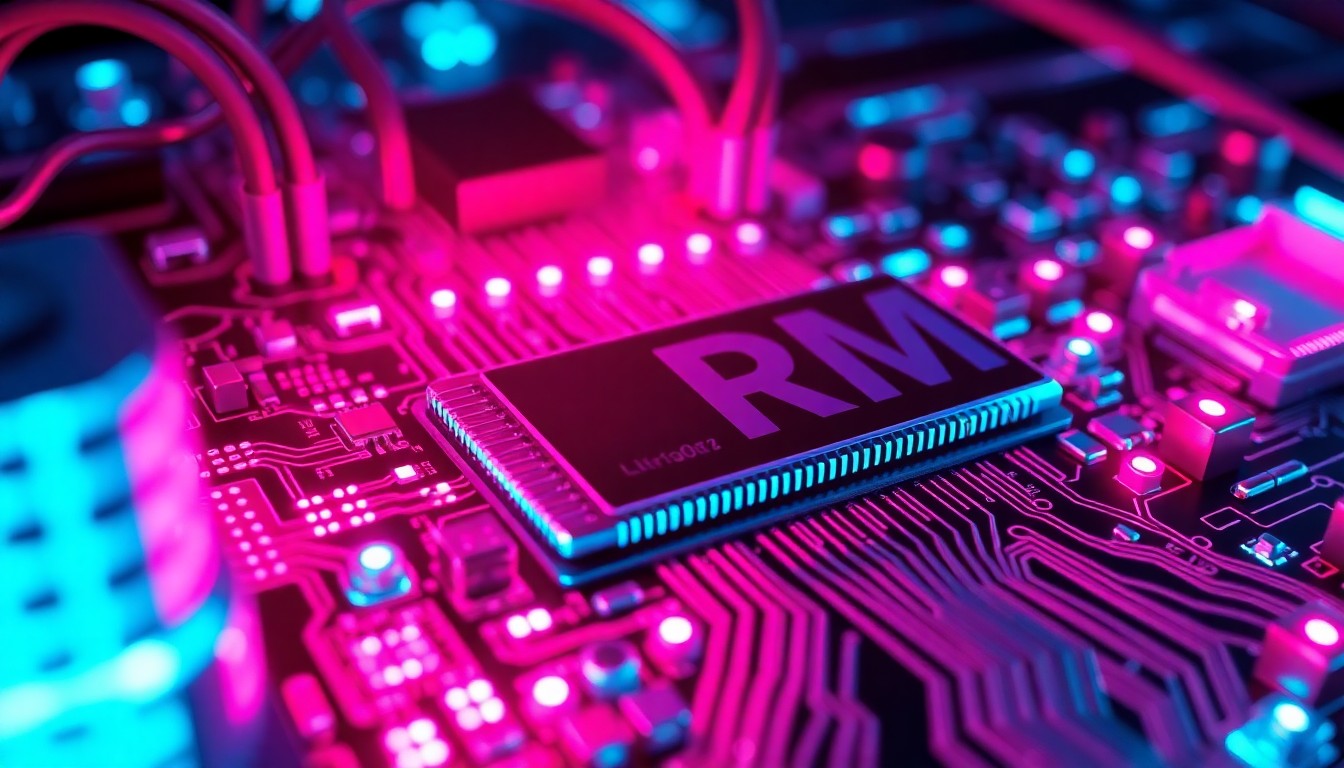 The hidden digital locks of DRM technology restrict how consumers can use the products they own, exposing the corporate overreach behind these 'digital rights management' systems.NYC Today
Today is the International Day Against DRM, a reminder that digital rights management (DRM) technology unfairly limits how people can use the digital content and products they own. DRM is used to control access to ebooks, movies, video games, and even physical products like printers, tractors, and coffee machines, often forcing consumers to only use approved accessories or services. This article calls on readers to reject DRM and support companies that offer DRM-free products.
Why it matters
DRM undermines the basic principles of ownership by preventing people from fully using, modifying, or repairing the digital and physical products they have purchased. This corporate overreach has spread from digital media to an increasing number of everyday consumer goods, locking users into expensive proprietary ecosystems. Challenging DRM is crucial to preserving property rights and consumer choice in the digital age.
The details
DRM, or 'digital rights management,' refers to the technological restrictions that control how users can access and use digital content and products. These restrictions can prevent people from transferring ebooks to different e-readers, watching digital movies on unapproved devices, or even refilling printer cartridges with third-party ink. DRM doesn't effectively stop piracy, but it does a great job of policing legitimate owners and forcing them to use approved hardware, software, and consumables. This practice has expanded far beyond digital media, with DRM now found in everything from coffee makers to tractors, breaking otherwise functional products and locking users into expensive proprietary ecosystems.
- Today, April 20, 2026, is the International Day Against DRM.
The players
Cory Doctorow
A digital activist and science fiction writer who has been a vocal critic of DRM, arguing that 'anytime someone puts a lock on something that belongs to you and won't give you the key, it's not there for your benefit.'
Free Software Foundation
A nonprofit organization that advocates for software freedom and has criticized DRM as 'the practice of imposing technological restrictions that control what users can do with digital media.'
Jorge Lopez
A programmer who discovered that his smart kitty litter box, the CatGenie, was programmed to shut down if refilled with 'unauthorized' sanitizer, an example of how DRM can be used to force consumers to buy expensive proprietary consumables.
What they’re saying
“Anytime someone puts a lock on something that belongs to you and won't give you the key, it's not there for your benefit.”
— Cory Doctorow, Digital activist and sci-fi writer
“Users may be forced to use certain hardware or software platforms, limited to accessing their media on a predetermined number of devices, […] unable to use accessibility software such as screen readers, cut off from accessing media in certain locales, or even stripped of their media by having their files silently and remotely deleted at any time.”
— Free Software Foundation
What’s next
In recent years, efforts to combat DRM have included the introduction of Right to Repair legislation in twelve states to address DRM in tractors, a Supreme Court ruling against printer company Lexmark's attempts to sue a refurbisher for circumventing DRM, and a lawsuit filed by the Electronic Frontier Foundation against the US government over Section 1201 of the DMCA, which criminalizes bypassing DRM.
The takeaway
DRM that limits an owner's rights, especially their ability to repair, modify, and reuse the products they've paid for, is an unacceptable corporate overreach. Consumers should reject products with DRM and support companies that offer DRM-free alternatives, in order to preserve their property rights and consumer choice in the digital age.