- Today
- Holidays
- Birthdays
- Reminders
- Cities
- Atlanta
- Austin
- Baltimore
- Berwyn
- Beverly Hills
- Birmingham
- Boston
- Brooklyn
- Buffalo
- Charlotte
- Chicago
- Cincinnati
- Cleveland
- Columbus
- Dallas
- Denver
- Detroit
- Fort Worth
- Houston
- Indianapolis
- Knoxville
- Las Vegas
- Los Angeles
- Louisville
- Madison
- Memphis
- Miami
- Milwaukee
- Minneapolis
- Nashville
- New Orleans
- New York
- Omaha
- Orlando
- Philadelphia
- Phoenix
- Pittsburgh
- Portland
- Raleigh
- Richmond
- Rutherford
- Sacramento
- Salt Lake City
- San Antonio
- San Diego
- San Francisco
- San Jose
- Seattle
- Tampa
- Tucson
- Washington
Apple Tightens Grip on iPhone Repairs with Camera Restrictions
New iPhone 12 models require Apple's proprietary software to fully repair cameras and screens, raising concerns about the future of independent iPhone repair.
Apr. 20, 2026 at 9:00am
Got story updates? Submit your updates here. ›
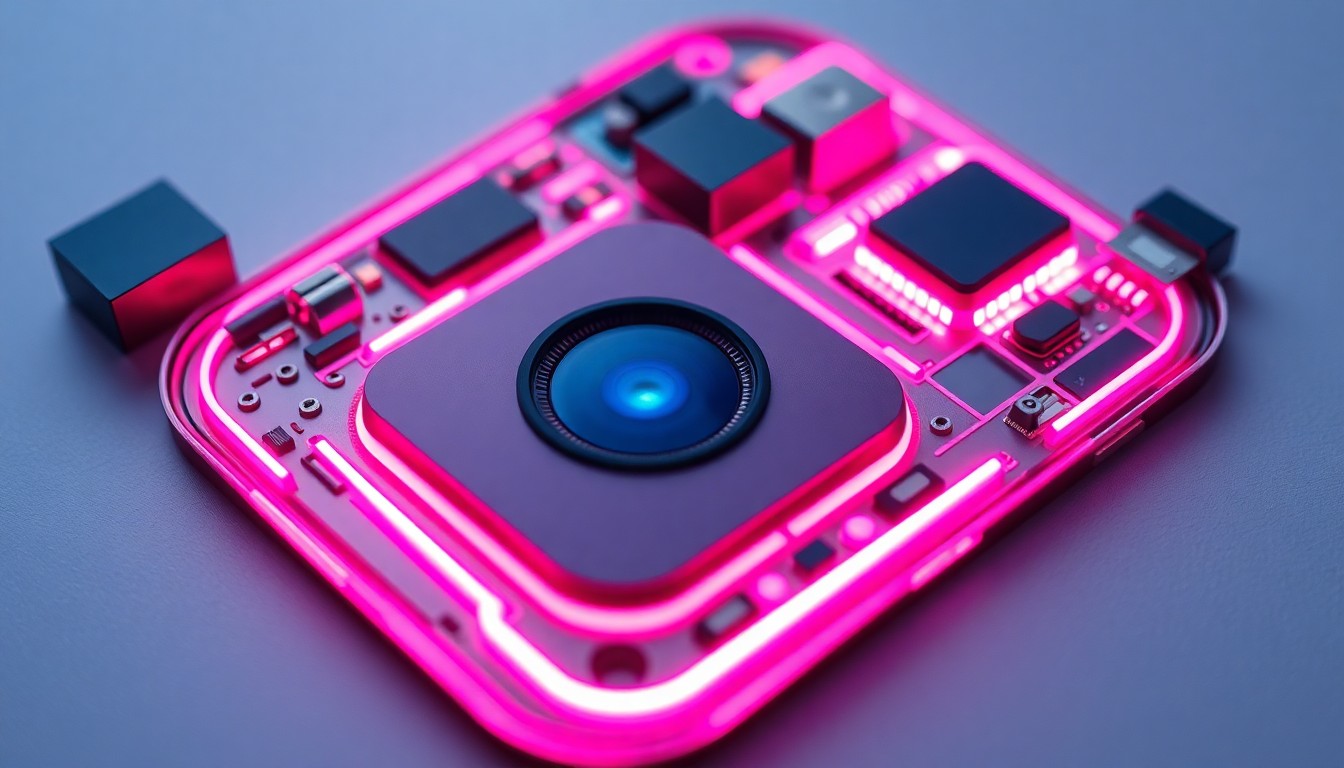 The technical complexities of smartphone repair are laid bare in this glowing, high-tech illustration of a disassembled iPhone 12 camera module.NYC Today
A recent investigation by iFixit has revealed that the camera module on the iPhone 12 models behaves erratically when swapped between devices, often failing to function properly. This, combined with leaked Apple training documents indicating that the company will require its authorized technicians to use a proprietary 'System Configuration' app to properly repair cameras and screens on the iPhone 12 series, has sparked concerns that Apple is further tightening its control over the iPhone repair ecosystem, making it increasingly difficult for independent repair shops and DIY fixers to service these devices.
Why it matters
The ability to repair and reuse iPhone components is crucial for reducing e-waste and aligning with Apple's own environmental goals. However, these new restrictions on camera and screen repairs appear to be a deliberate move by Apple to limit access to its devices, potentially stifling the independent repair market and forcing consumers to rely on Apple's authorized service network.
The details
The investigation found that when the camera module from an iPhone 12 is transferred to another iPhone 12, it often fails to function properly, refusing to switch to the ultrawide camera, responding only to certain camera modes, and occasionally becoming completely unresponsive. This is a departure from previous iPhone models, where camera swaps between the same device models generally worked without issue. Apple's internal repair guides also indicate that starting with the iPhone 12, technicians will need to run the company's proprietary 'System Configuration' app to properly replace the camera or screen, further complicating the repair process for independent shops.
- The iPhone 12 was released in October 2020.
- iFixit published its findings on the camera issues in April 2021.
The players
iFixit
A popular online resource and community for electronics repair, known for its comprehensive device teardowns and repair guides.
Apple
The multinational technology company that designs, develops, and sells consumer electronics, computer software, and online services, including the iPhone.
What they’re saying
“We are very concerned about this possibility. Organized chaos in the iFixit photo studio as several iPhones undergo testing.”
— iFixit
“Apple's security model may be fragile enough that third-party Touch ID or Face ID replacements pose a problem. (That's a pretty long shot—Apple's security team is top-notch, and Google and Samsung allow for fingerprint sensor swaps without issue.) But the main camera module is not a security component. It's a part prone to malfunction and damage, and can be harvested from otherwise-broken iPhones. Putting an authentication check on a simple camera swap poisons the iPhone repair and resale market. With no obvious benefit for iPhone buyers, it reeks of greed. Or worse: planned obsolescence.”
— iFixit
What’s next
iFixit plans to continue monitoring the situation and will update its findings if Apple addresses the camera issues or provides further clarification on its repair policies for the iPhone 12 series.
The takeaway
These new restrictions on iPhone 12 camera and screen repairs, combined with Apple's history of limiting access to its devices, suggest a concerning trend of the company tightening its grip on the repair ecosystem. This could have significant environmental and consumer choice implications, making it harder for independent shops and DIY fixers to service these devices and potentially driving up e-waste. Passing 'Right to Repair' legislation may be the only way to ensure consumers have the freedom to fix their own devices.