- Today
- Holidays
- Birthdays
- Reminders
- Cities
- Atlanta
- Austin
- Baltimore
- Berwyn
- Beverly Hills
- Birmingham
- Boston
- Brooklyn
- Buffalo
- Charlotte
- Chicago
- Cincinnati
- Cleveland
- Columbus
- Dallas
- Denver
- Detroit
- Fort Worth
- Houston
- Indianapolis
- Knoxville
- Las Vegas
- Los Angeles
- Louisville
- Madison
- Memphis
- Miami
- Milwaukee
- Minneapolis
- Nashville
- New Orleans
- New York
- Omaha
- Orlando
- Philadelphia
- Phoenix
- Pittsburgh
- Portland
- Raleigh
- Richmond
- Rutherford
- Sacramento
- Salt Lake City
- San Antonio
- San Diego
- San Francisco
- San Jose
- Seattle
- Tampa
- Tucson
- Washington
White House Increasingly Uses Religious Symbolism to Justify Policies
New York Times reporter Maggie Haberman sees through the administration's strategy
Apr. 17, 2026 at 8:40pm
Got story updates? Submit your updates here. ›
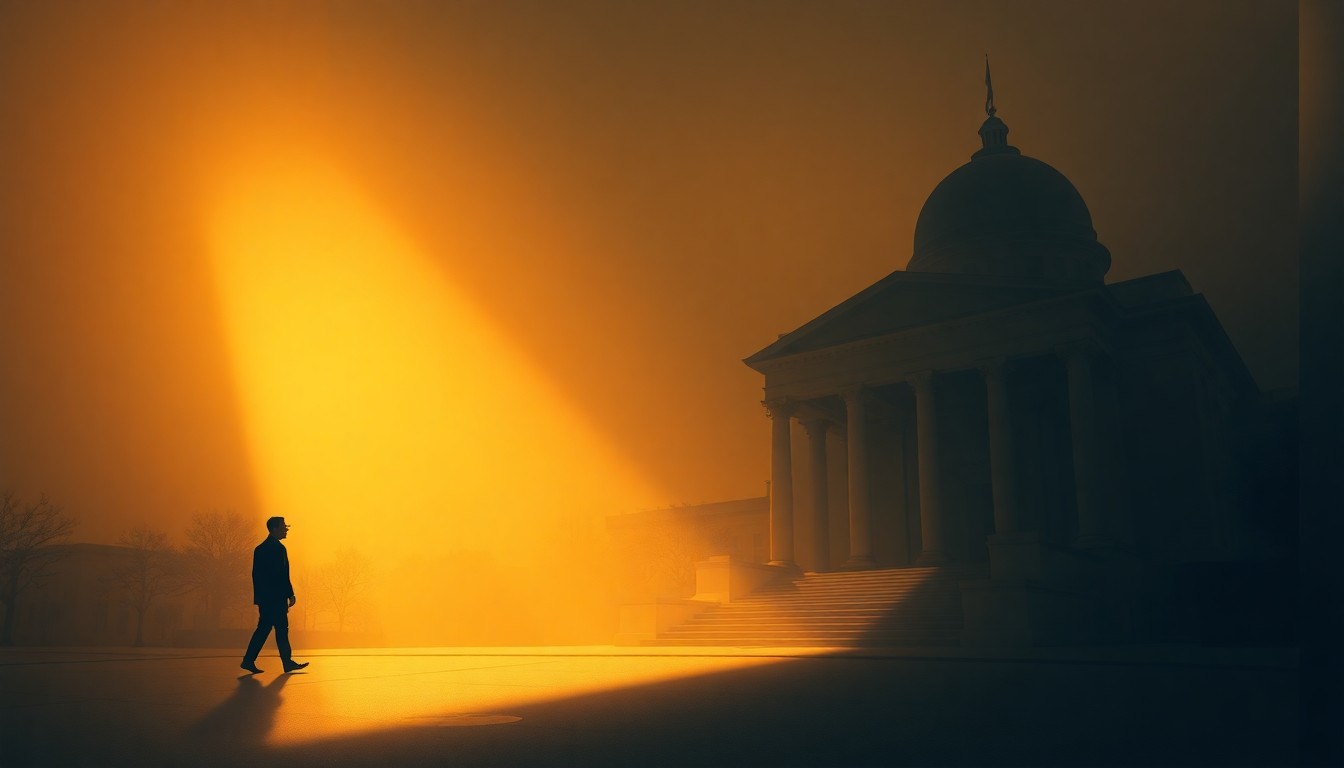 The White House's increasing use of religious imagery to frame its policies has sparked concerns over the blending of church and state.NYC Today
According to New York Times correspondent Maggie Haberman, Trump administration officials are increasingly employing religious symbolism to justify the Iran war and other unpopular policies. President Trump posted an image depicting himself as a Christlike healer, while Defense Secretary Pete Hegseth has framed the conflict in explicitly religious terms and quoted Bible verses during press updates, though one quote was actually dialogue from a Quentin Tarantino film. The Pope condemned "warmongers" who "manipulate religion" to justify violence, prompting a response from Vice President JD Vance, a recent Catholic convert, who warned the pope to "be careful" with the criticism.
Why it matters
Haberman suggested Vance faces complications given his sincere Catholic faith and upcoming book on religion, noting the conflict with the pope is "not a winning debate" for the administration. The use of religious symbolism to justify controversial policies is seen as a concerning trend that goes "off the rails" by framing warfare as a religious mission.
The details
President Trump posted an image depicting himself as a Christlike healer, while Defense Secretary Pete Hegseth has framed the conflict in explicitly religious terms and quoted Bible verses during press updates, though one quote was actually dialogue from a Quentin Tarantino film. Pope Leo XIV condemned "warmongers" who "manipulate religion" to justify violence, prompting a response from Vice President JD Vance, a recent Catholic convert, who warned the pope to "be careful" with the criticism.
- The Trump administration has increasingly used religious symbolism in recent months to justify policies.
- The Pope's condemnation of "warmongers" who "manipulate religion" came in response to the administration's actions.
The players
Maggie Haberman
A New York Times correspondent who has observed the Trump administration's use of religious symbolism to justify policies.
Donald Trump
The President of the United States who posted an image depicting himself as a Christlike healer.
Pete Hegseth
The Defense Secretary who has framed the conflict in explicitly religious terms and quoted Bible verses during press updates.
Pope Leo XIV
The Pope who condemned "warmongers" who "manipulate religion" to justify violence.
JD Vance
The Vice President who is a recent Catholic convert and warned the Pope to "be careful" with the criticism.
What they’re saying
“This is unlike anything really that we have seen in, in ever in the last, at least in the last 80 years and possibly, you know, ever in decades upon decades.”
— Maggie Haberman, New York Times Correspondent
“warmongers who "manipulate religion" to justify violence”
— Pope Leo XIV, Pope
“be careful”
— JD Vance, Vice President
What’s next
The administration's use of religious symbolism to justify policies is likely to continue being a point of controversy, with the Pope's condemnation and Vice President Vance's response indicating a potential escalating conflict.
The takeaway
The Trump administration's increasing reliance on religious symbolism to justify controversial policies, such as the Iran war, represents a concerning trend that goes beyond normal political rhetoric. This strategy of manipulating religion for political gain raises questions about the separation of church and state and the administration's respect for democratic norms.
New York top stories


New York events
Apr. 18, 2026
Hamilton
Apr. 18, 2026
Candy Crafting at Cricket's Candy Creations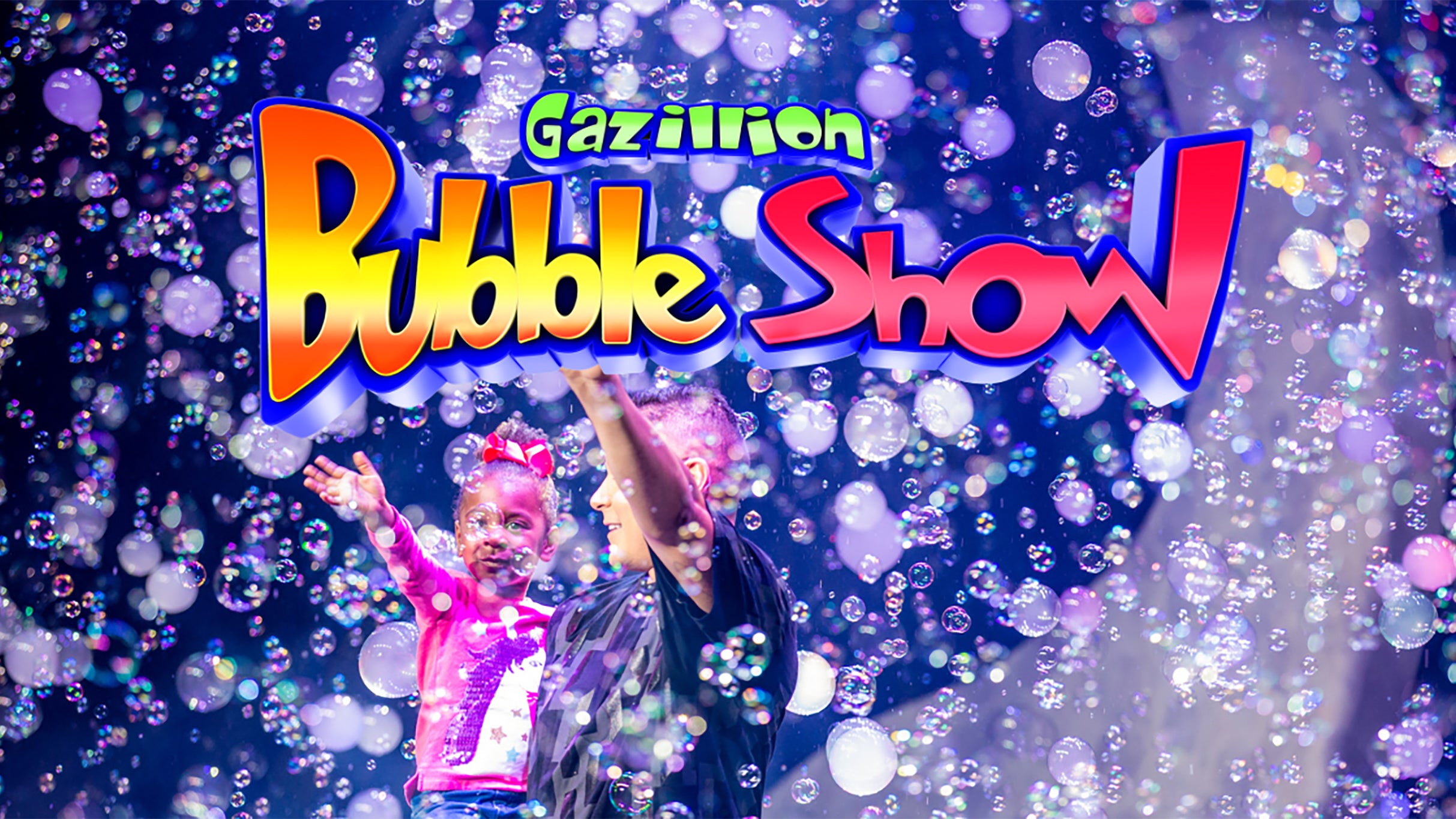
Apr. 18, 2026
The Gazillion Bubble Show