- Today
- Holidays
- Birthdays
- Reminders
- Cities
- Atlanta
- Austin
- Baltimore
- Berwyn
- Beverly Hills
- Birmingham
- Boston
- Brooklyn
- Buffalo
- Charlotte
- Chicago
- Cincinnati
- Cleveland
- Columbus
- Dallas
- Denver
- Detroit
- Fort Worth
- Houston
- Indianapolis
- Knoxville
- Las Vegas
- Los Angeles
- Louisville
- Madison
- Memphis
- Miami
- Milwaukee
- Minneapolis
- Nashville
- New Orleans
- New York
- Omaha
- Orlando
- Philadelphia
- Phoenix
- Pittsburgh
- Portland
- Raleigh
- Richmond
- Rutherford
- Sacramento
- Salt Lake City
- San Antonio
- San Diego
- San Francisco
- San Jose
- Seattle
- Tampa
- Tucson
- Washington
War of Attrition and the Baltic Convoys
Iran's 'Strait of Hormuz weapons' have put global energy security at risk as the conflict escalates
Apr. 17, 2026 at 6:38am
Got story updates? Submit your updates here. ›
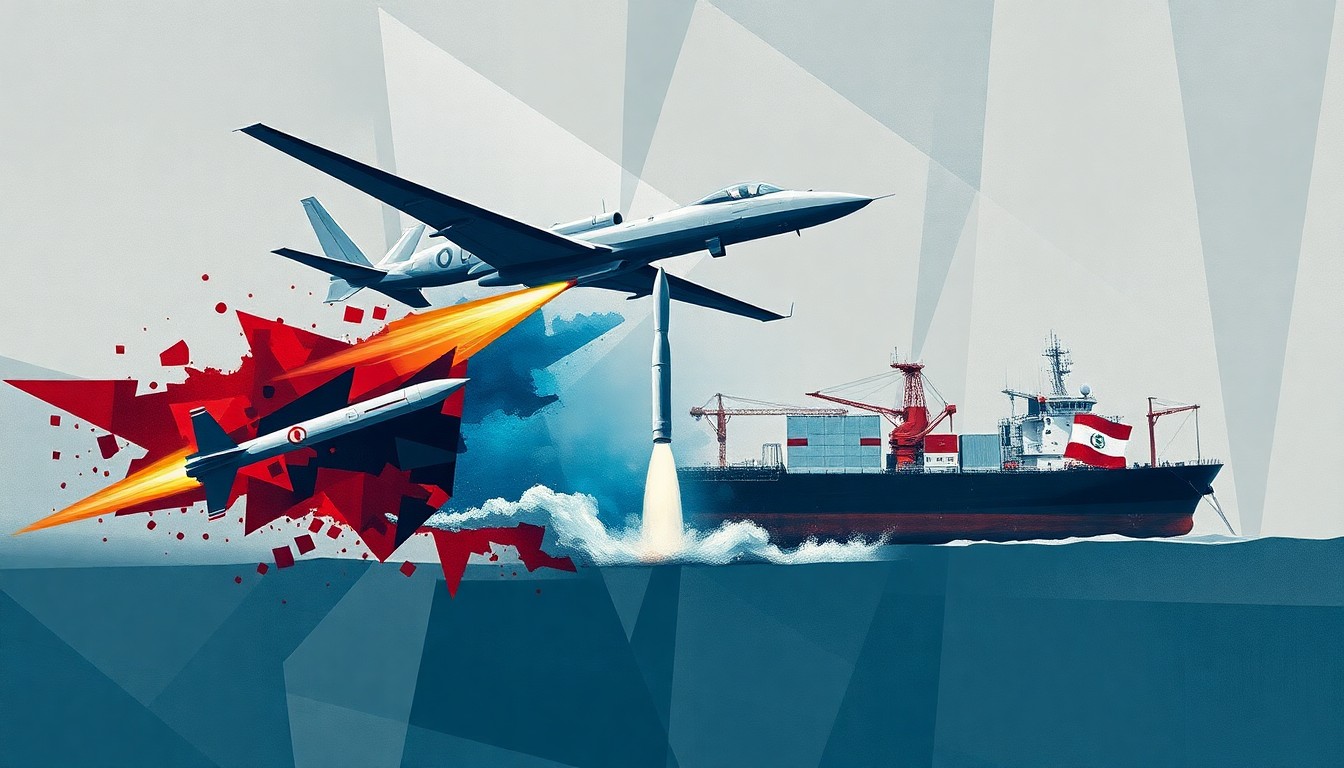 The ongoing war of attrition between Iran and the US/Israel exposes the limitations of expensive military technology as cheaper munitions continue to disrupt global energy security.NYC Today
The ongoing conflict between Iran, the United States, and Israel has escalated into an aerial war of attrition, with Iran's use of cheap drones, missiles, and mines proving to be a formidable challenge for the US military. The blockade of the Strait of Hormuz and attacks on energy infrastructure in the Persian Gulf have already had significant economic impacts, with the International Energy Agency warning of the 'greatest threat to global energy security in history'.
Why it matters
The conflict in the Persian Gulf has disrupted global energy supplies, leading to concerns about inflation, recession, and fuel rationing. The war of attrition between Iran and the US/Israel has exposed the limitations of the US military's reliance on expensive weapons, as Iran's cheaper munitions appear to be more sustainable. This could shift the balance of power in the region and impact future negotiations.
The details
Iran has responded to 'unprovoked attacks' by the US and Israel by targeting civilian energy facilities, attacking oil tankers, mining the Strait of Hormuz, and effectively 'taking the fossil fuel-dependent global economy hostage'. While the US and Israel have destroyed numerous Iranian targets, they have done so at a much higher cost, depleting their reserves of expensive weapons. In contrast, Iran's supply of cheap drones, missiles, and mines seems 'inexhaustible', allowing them to maintain a war of attrition.
- On February 28, the US and Israel launched attacks on Iran.
- Within hours of the initial attacks, Iran had unleashed its 'Strait of Hormuz weapons'.
- In mid-February, Nikolai Patrushev, Chairman of the Russian Maritime Board, discussed Russia's increased naval presence in the Gulf of Finland and other areas.
The players
Iran
A Middle Eastern country that has responded to attacks by the US and Israel with strikes against civilian energy facilities, oil tankers, and the blockade of the Strait of Hormuz.
United States
A global superpower that, along with Israel, has launched attacks on Iranian targets, but is facing a war of attrition due to the high cost of its weapons.
Israel
A close ally of the US that has also launched attacks on Iranian targets as part of the ongoing conflict.
Nikolai Patrushev
The Chairman of the Russian Maritime Board, who has discussed Russia's increased naval presence in the Gulf of Finland and other areas.
Fatih Birol
The head of the International Energy Agency, who has warned that the loss of 20% of global energy reserves is 'the greatest threat to global energy security in history'.
What they’re saying
“the loss of 20% of global energy reserves 'the greatest threat to global energy security in history'.”
— Fatih Birol, Head of the International Energy Agency
What’s next
As the conflict continues, the economic and political implications of the disruption to global energy supplies will likely become more severe, potentially leading to renewed negotiations between the parties involved.
The takeaway
The war of attrition in the Persian Gulf has exposed the limitations of the US military's reliance on expensive weapons, as Iran's cheaper munitions appear to be more sustainable. This could shift the balance of power in the region and impact future negotiations, while also posing a significant threat to global energy security and the broader economy.
New York top stories



New York events

Apr. 18, 2026
Hamilton
Apr. 18, 2026
Candy Crafting at Cricket's Candy Creations
Apr. 18, 2026
The Gazillion Bubble Show