- Today
- Holidays
- Birthdays
- Reminders
- Cities
- Atlanta
- Austin
- Baltimore
- Berwyn
- Beverly Hills
- Birmingham
- Boston
- Brooklyn
- Buffalo
- Charlotte
- Chicago
- Cincinnati
- Cleveland
- Columbus
- Dallas
- Denver
- Detroit
- Fort Worth
- Houston
- Indianapolis
- Knoxville
- Las Vegas
- Los Angeles
- Louisville
- Madison
- Memphis
- Miami
- Milwaukee
- Minneapolis
- Nashville
- New Orleans
- New York
- Omaha
- Orlando
- Philadelphia
- Phoenix
- Pittsburgh
- Portland
- Raleigh
- Richmond
- Rutherford
- Sacramento
- Salt Lake City
- San Antonio
- San Diego
- San Francisco
- San Jose
- Seattle
- Tampa
- Tucson
- Washington
House Passes 10-Day Renewal of Government's Foreign Spy Powers
Lawmakers approve short-term extension of FISA Section 702 amid ongoing debate over privacy concerns
Apr. 17, 2026 at 3:10pm
Got story updates? Submit your updates here. ›
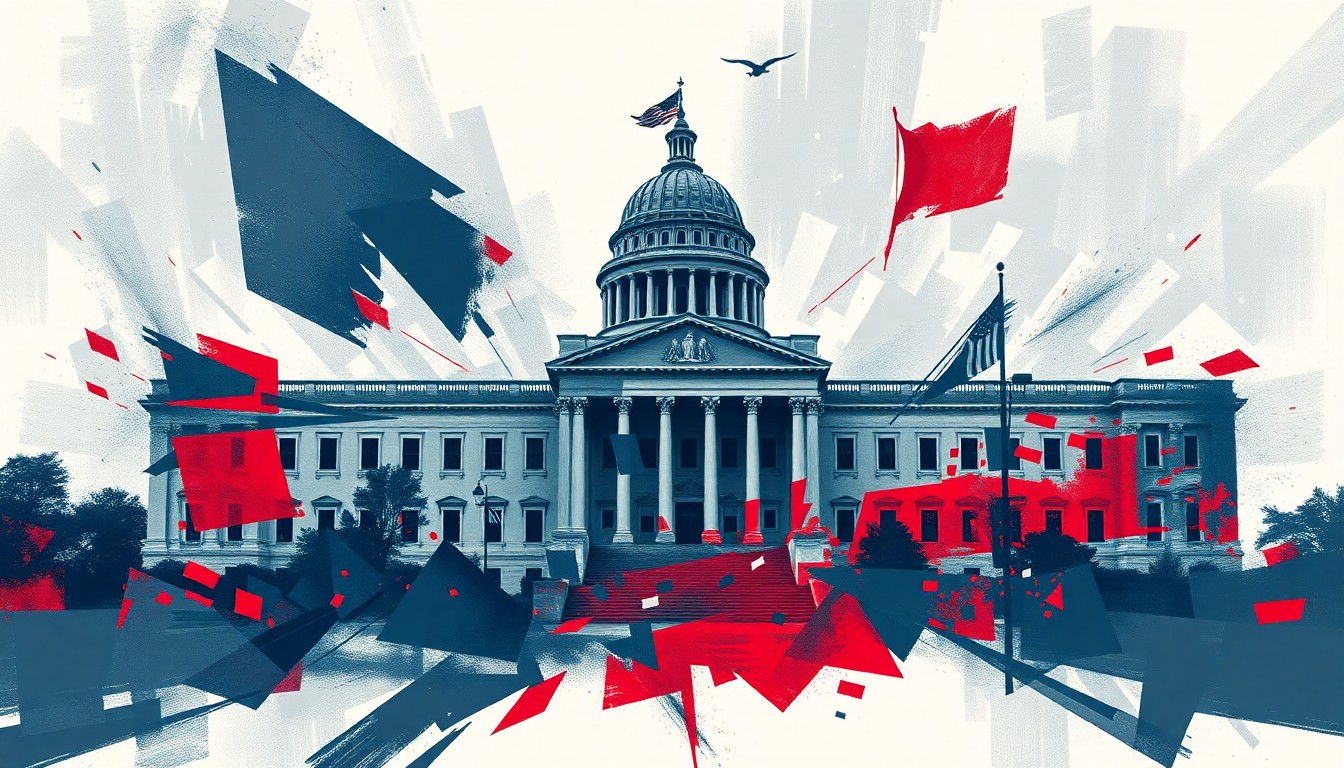 The House's short-term renewal of foreign surveillance powers reflects the ongoing tensions between national security and civil liberties.NYC Today
The U.S. House of Representatives unanimously approved a 10-day renewal of the federal government's foreign spying authority under Section 702 of the Foreign Intelligence Surveillance Act (FISA). This comes after more than a dozen privacy-minded Republicans voted against longer-term extensions, raising concerns about warrantless surveillance of American citizens.
Why it matters
The renewal of FISA Section 702 is a contentious issue, with privacy advocates arguing the law allows the government to unlawfully obtain communications between U.S. citizens and foreign targets without proper oversight. Lawmakers are grappling with balancing national security needs and civil liberties protections.
The details
The House approved the 10-day extension after two prior bipartisan votes failed, including one to extend the foreign spy powers by five years with some revisions, and another for an 18-month 'clean' extension with no changes. Privacy hawks in Congress have maintained that Section 702 allows the government to obtain text messages, emails and other communications between a target of an investigation located abroad and a U.S. citizen without a warrant.
- The House approved the 10-day extension in the early hours of Friday morning, April 17, 2026.
- Section 702 of FISA was set to expire on April 30, 2026 under the approved legislation, shifting back from the original April 20 expiration date.
The players
Mike Johnson
House Speaker, a Republican from Louisiana who acknowledged there were 'some nuances with the language and some questions that need to be answered' regarding FISA reauthorization.
Keith Self
Republican Congressman from Texas who said 'Warrantless backdoor surveillance of American citizens is happening under FISA Section 702–and that's wrong.'
Thomas Massie
Republican Congressman from Kentucky who claimed he had reviewed 'two top-secret documents' showing the federal government has been broadening Section 702's use.
Donald Trump
Former U.S. President who supported the reauthorization of FISA Section 702, telling House Republicans to 'UNIFY' and 'vote to bring a clean Bill to the floor'.
Joe Biden
Former U.S. President who signed into law a two-year reauthorization of Section 702 in 2024 that included some reforms to the FISA warrant process.
What they’re saying
“Warrantless backdoor surveillance of American citizens is happening under FISA Section 702–and that's wrong.”
— Keith Self, U.S. Congressman
“We stopped both versions, but the fight isn't over.”
— Thomas Massie, U.S. Congressman
“FISA is a critical national security tool. It's also a very complicated piece of legislation, and what we're trying to do is thread the needle of ensuring that we have this essential tool to keep Americans safe but also safeguard our constitutional rights, and making sure that the abuses of FISA in the past are no longer possible.”
— Mike Johnson, House Speaker
“I am willing to risk the giving up of my Rights and Privileges as a Citizen for our Great Military and Country!”
— Donald Trump
“FISA is necessary in order to protect our Troops overseas, as well as our people here at home, from the threat of Foreign Terror Attacks.”
— Donald Trump
What’s next
The House and Senate must now work to pass a longer-term reauthorization of FISA Section 702 before the 10-day extension expires on April 30, 2026.
The takeaway
The ongoing debate over FISA Section 702 highlights the delicate balance between national security needs and civil liberties protections. Lawmakers will need to carefully consider how to reform the law to address privacy concerns while still providing intelligence agencies the tools they argue are necessary to combat foreign threats.
New York top stories


New York events

Apr. 18, 2026
Hamilton
Apr. 18, 2026
Candy Crafting at Cricket's Candy Creations
Apr. 18, 2026
The Gazillion Bubble Show