- Today
- Holidays
- Birthdays
- Reminders
- Cities
- Atlanta
- Austin
- Baltimore
- Berwyn
- Beverly Hills
- Birmingham
- Boston
- Brooklyn
- Buffalo
- Charlotte
- Chicago
- Cincinnati
- Cleveland
- Columbus
- Dallas
- Denver
- Detroit
- Fort Worth
- Houston
- Indianapolis
- Knoxville
- Las Vegas
- Los Angeles
- Louisville
- Madison
- Memphis
- Miami
- Milwaukee
- Minneapolis
- Nashville
- New Orleans
- New York
- Omaha
- Orlando
- Philadelphia
- Phoenix
- Pittsburgh
- Portland
- Raleigh
- Richmond
- Rutherford
- Sacramento
- Salt Lake City
- San Antonio
- San Diego
- San Francisco
- San Jose
- Seattle
- Tampa
- Tucson
- Washington
Federal Jury Declares Live Nation an Illegal Monopoly
The landmark verdict could chip away at the live entertainment giant's dominance, but won't immediately lower ticket prices.
Apr. 17, 2026 at 11:00am
Got story updates? Submit your updates here. ›
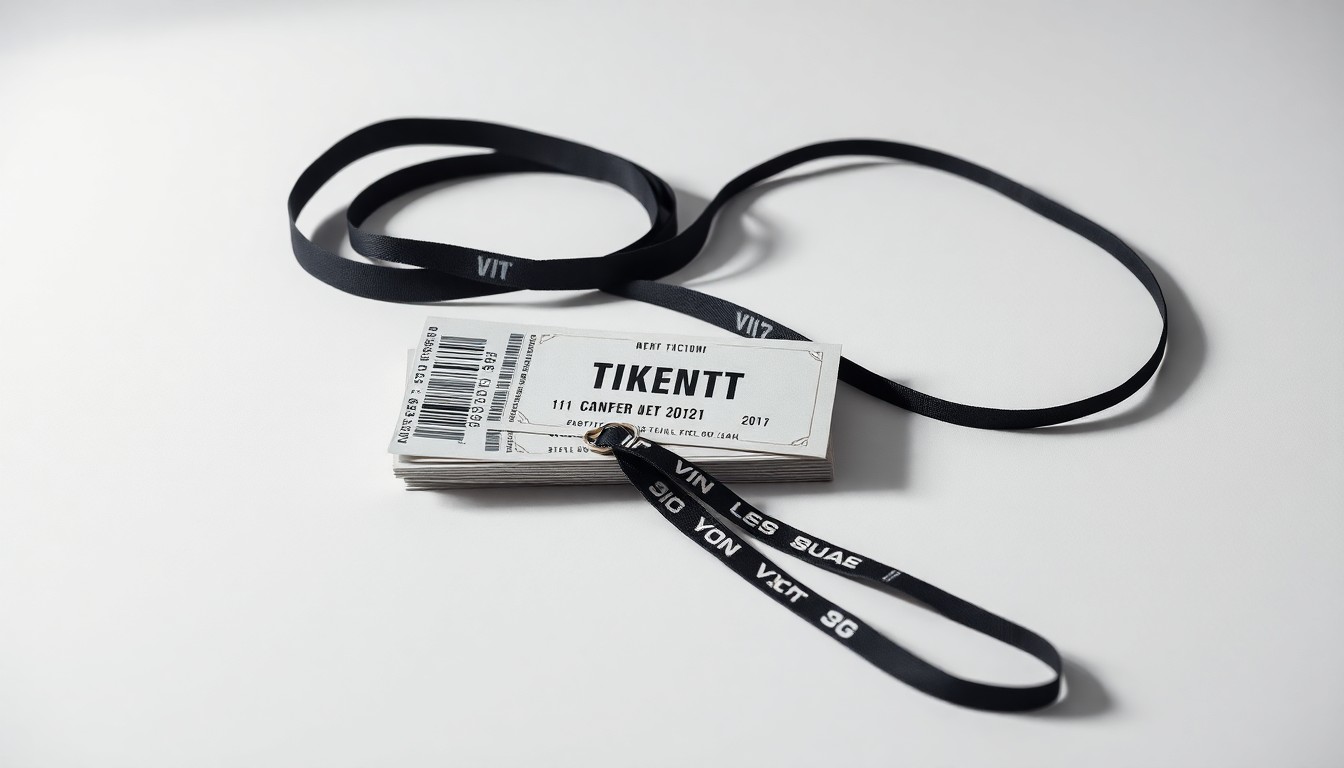 The high costs and limited accessibility of concert tickets have become a defining feature of the live music industry's corporate consolidation.NYC Today
A federal jury in New York has ruled that Live Nation, the preeminent concert middleman in the US, is an illegal monopoly. The verdict is an important recognition that the live music industry has become increasingly uncompetitive, with Live Nation controlling around 60% of concert promotion and 70% of ticketing. The case could lead to penalties, divestitures, or even the unwinding of the 2010 Ticketmaster-Live Nation merger, though experts say breaking up the company is unlikely to immediately solve the problem of high ticket prices.
Why it matters
The verdict is a major blow to Live Nation's dominance in the live music industry, which has allowed the company to exert outsized control over ticket prices, fees, and availability. Consumers have long complained about Live Nation's high service fees and Ticketmaster's glitchy software, while artists have accused the company of making their tours inaccessible to fans. The case could pave the way for more competition and better terms for both concertgoers and performers.
The details
The lawsuit alleged that as of 2024, Live Nation controlled about 60% of the market for concert promotion and 70% for ticketing. It also operated almost 80% of the country's top arenas and managed more than 400 artists, locking both performers and venues into exclusive contracts that made it hard for alternatives to compete. The federal jury found that the company had overcharged customers $1.72 per ticket, on average.
- The lawsuit began under the Biden administration, which argued it was 'time to break [Live Nation] up.'
- The Trump administration had previously withdrawn from the suit and igned a tentative settlement deal in early March 2023.
- More than 30 states continued the case, leading to Wednesday's verdict.
The players
Live Nation
The preeminent concert middleman in the US, controlling around 60% of concert promotion and 70% of ticketing.
Ticketmaster
The ticketing subsidiary of Live Nation, which has faced criticism for its high service fees and glitchy software.
Ben Lovett
A member of the band Mumford & Sons, who testified during the trial as a venue operator.
What they’re saying
“There is no evidence in the record that Live Nation or Ticketmaster drives higher ticket prices or that breaking up the company would lower them.”
— Live Nation
“In an 'ideal scenario,' a judge would unwind the merger that created Live Nation 16 years ago.”
— Antitrust policy analyst
What’s next
Judge Arun Subramanian can now impose financial penalties or mandate changes to Live Nation's business, such as requiring the company to reimburse some consumers or divest some venues. However, no major American company has been broken up as a result of antitrust litigation since AT&T in 1984.
The takeaway
This verdict is a significant recognition that Live Nation's dominance in the live music industry has come at the expense of consumers and artists. While breaking up the company may be an 'ideal scenario,' it remains to be seen what concrete actions the court will take to restore competition and address the high costs and accessibility issues that have plagued the concert industry.
New York top stories

New York events
Apr. 18, 2026
Hamilton
Apr. 18, 2026
Candy Crafting at Cricket's Candy Creations
Apr. 18, 2026
The Gazillion Bubble Show