- Today
- Holidays
- Birthdays
- Reminders
- Cities
- Atlanta
- Austin
- Baltimore
- Berwyn
- Beverly Hills
- Birmingham
- Boston
- Brooklyn
- Buffalo
- Charlotte
- Chicago
- Cincinnati
- Cleveland
- Columbus
- Dallas
- Denver
- Detroit
- Fort Worth
- Houston
- Indianapolis
- Knoxville
- Las Vegas
- Los Angeles
- Louisville
- Madison
- Memphis
- Miami
- Milwaukee
- Minneapolis
- Nashville
- New Orleans
- New York
- Omaha
- Orlando
- Philadelphia
- Phoenix
- Pittsburgh
- Portland
- Raleigh
- Richmond
- Rutherford
- Sacramento
- Salt Lake City
- San Antonio
- San Diego
- San Francisco
- San Jose
- Seattle
- Tampa
- Tucson
- Washington
U.S. Air Force Accelerates Production of New B-21 Raider Bomber
The next-generation stealth bomber is moving quickly into low-rate production, with plans to expand capacity to meet potential demand for more than 100 aircraft.
Apr. 16, 2026 at 7:23pm
Got story updates? Submit your updates here. ›
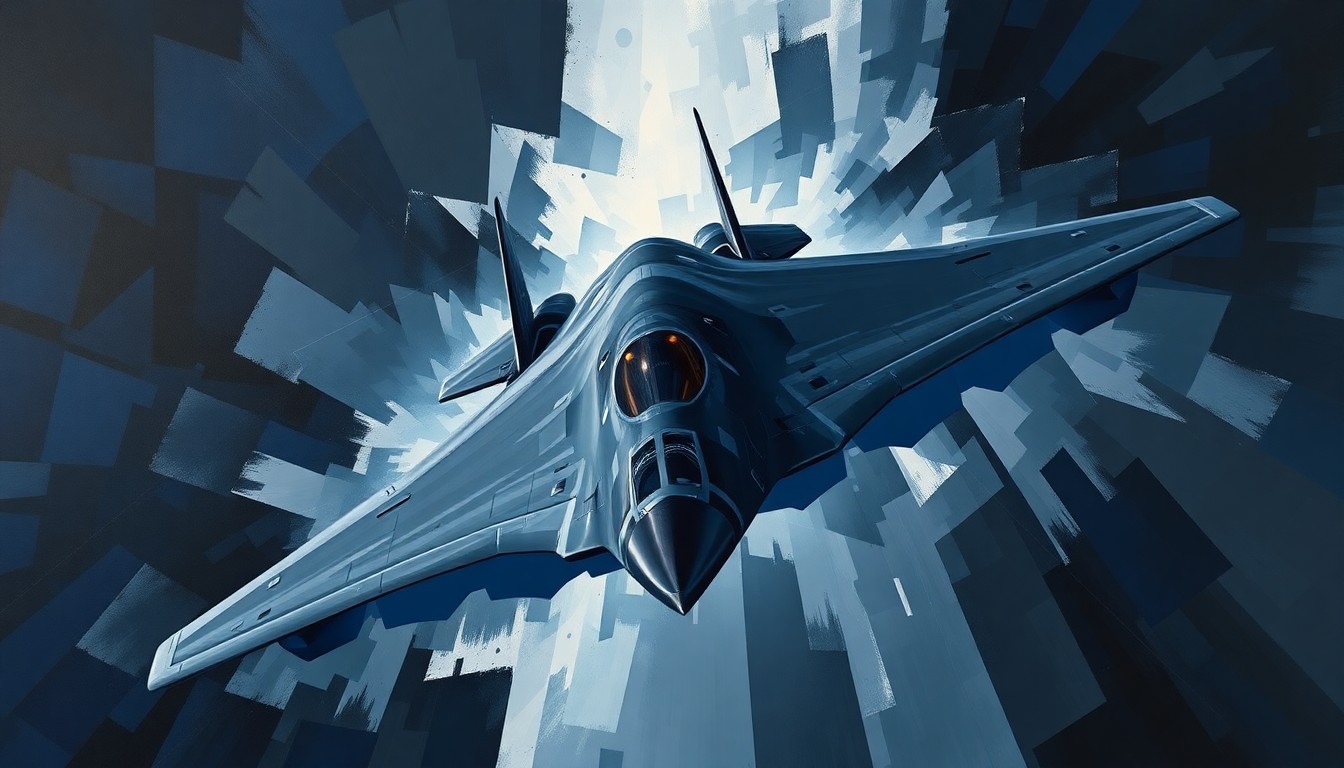 The B-21 Raider's accelerated development and production signals the U.S. Air Force's commitment to a more capable and survivable bomber fleet for the challenges of the future.NYC Today
The U.S. Air Force and Northrop Grumman have released the first official image of the new B-21 Raider bomber conducting aerial refueling, a major milestone that indicates the program is progressing beyond early flight testing. The B-21 is the first new U.S. bomber design in more than three decades and is intended to replace the aging B-1B, B-2, and eventually the B-52 in the Air Force's fleet. Northrop has invested over $5 billion to streamline the manufacturing process, allowing the B-21 to move quickly into low-rate production with the first delivery expected in 2027. However, there is growing pressure on the Air Force to increase the initial order beyond the planned 100 aircraft, with some analysts arguing the U.S. may need as many as 225 B-21s to sustain operations against China and other potential adversaries.
Why it matters
The B-21 Raider represents a major capability upgrade for the U.S. Air Force, providing a stealthy, long-range bomber optimized for penetrating advanced air defenses, particularly in the Indo-Pacific region. As the U.S. faces the prospect of potential conflicts with peer adversaries like China, having a sufficient number of these highly capable bombers will be critical to maintaining air superiority and power projection. The accelerated production timeline and Northrop's investments in manufacturing capacity suggest the Air Force is prioritizing the rapid fielding of this next-generation platform.
The details
The B-21 is designed as a 'flying wing' platform with nuclear and conventional weapons capabilities, built with open architecture to enable future upgrades. Northrop has invested over $5 billion to streamline the manufacturing process, allowing the program to move quickly into low-rate production. Multiple test aircraft are now in flight testing, and the recent aerial refueling trials demonstrate the B-21's ability to conduct long-range missions. While the Air Force's official plan calls for at least 100 B-21s, there is growing pressure to increase the order to around 145 aircraft or potentially even higher, with some analysts arguing the U.S. may need as many as 225 B-21s to sustain operations against China and other potential adversaries.
- The B-21 Raider was unveiled in December 2022.
- The aircraft flew for the first time in November 2023.
- The first delivery of the B-21 is expected in 2027.
The players
Northrop Grumman
The aerospace and defense company that was awarded the contract to develop the B-21 Raider in 2015 and has invested over $5 billion to streamline the manufacturing process.
U.S. Air Force
The military service that is acquiring the B-21 Raider to replace its aging bomber fleet, including the B-1B, B-2, and eventually the B-52.
Gen. Anthony J. Cotton
The head of U.S. Strategic Command who has publicly stated that the Air Force should increase the planned fleet of B-21 Raiders from 100 to around 145 aircraft.
What they’re saying
“I, as a customer, want to see increased rates. The program's existing production rate was agreed upon when the geopolitical environment was a little bit different than what we face today.”
— Gen. Anthony J. Cotton, Head of U.S. Strategic Command
What’s next
The Air Force is expected to make a decision on increasing the planned B-21 fleet size in the coming months, as it reassesses the strategic requirements in light of the evolving geopolitical landscape.
The takeaway
The accelerated development and production of the B-21 Raider represents a significant shift in the U.S. Air Force's bomber strategy, moving towards a more capable and survivable fleet optimized for contested environments. However, the ultimate size of the B-21 fleet remains a critical decision that will shape the Air Force's power projection capabilities for decades to come.
New York top stories



New York events

Apr. 18, 2026
Hamilton
Apr. 18, 2026
Candy Crafting at Cricket's Candy Creations
Apr. 18, 2026
The Gazillion Bubble Show