- Today
- Holidays
- Birthdays
- Reminders
- Cities
- Atlanta
- Austin
- Baltimore
- Berwyn
- Beverly Hills
- Birmingham
- Boston
- Brooklyn
- Buffalo
- Charlotte
- Chicago
- Cincinnati
- Cleveland
- Columbus
- Dallas
- Denver
- Detroit
- Fort Worth
- Houston
- Indianapolis
- Knoxville
- Las Vegas
- Los Angeles
- Louisville
- Madison
- Memphis
- Miami
- Milwaukee
- Minneapolis
- Nashville
- New Orleans
- New York
- Omaha
- Orlando
- Philadelphia
- Phoenix
- Pittsburgh
- Portland
- Raleigh
- Richmond
- Rutherford
- Sacramento
- Salt Lake City
- San Antonio
- San Diego
- San Francisco
- San Jose
- Seattle
- Tampa
- Tucson
- Washington
Stella McCartney and H&M Reunite for Sustainable Fashion Collaboration
The iconic designer and fast-fashion giant team up to democratize eco-conscious luxury through scaled sustainable materials.
Apr. 16, 2026 at 7:53am
Got story updates? Submit your updates here. ›
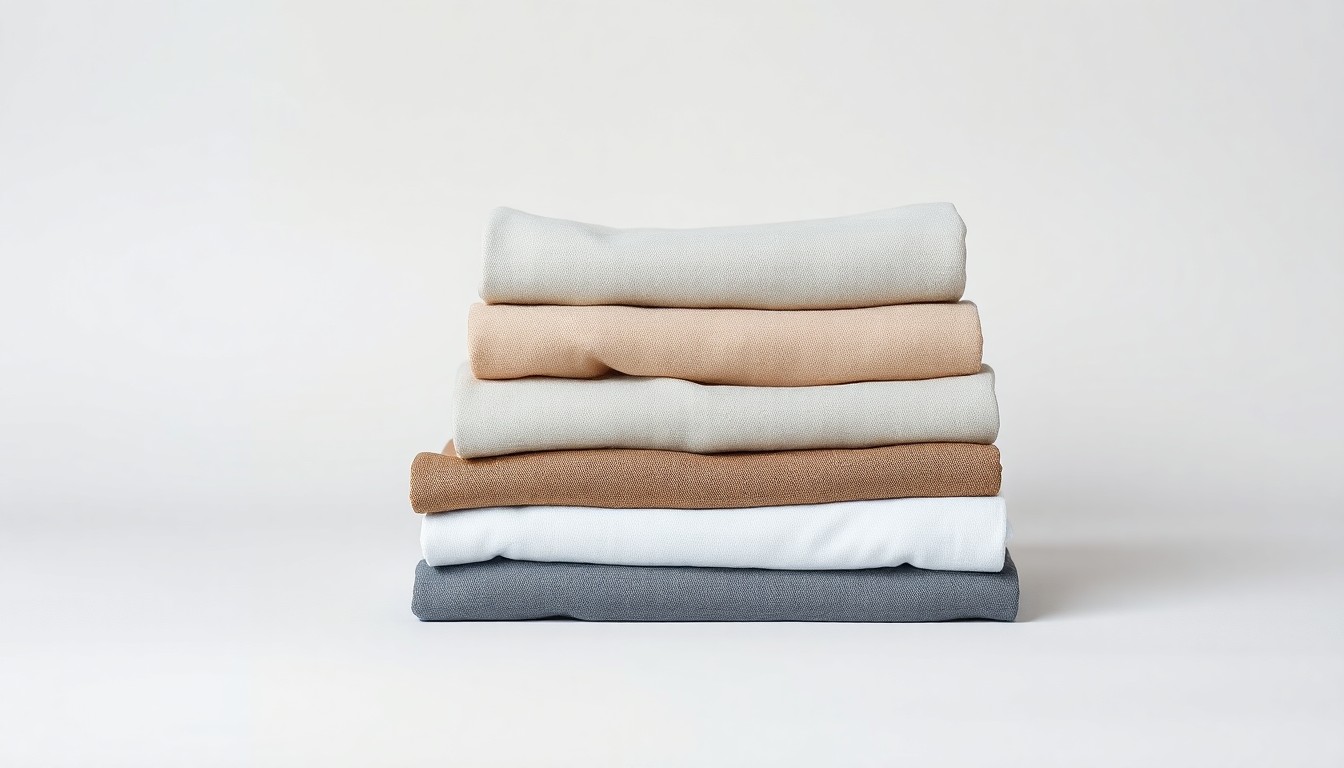 A high-end fashion collaboration aims to make sustainable luxury more accessible through scaled production and innovative materials.NYC Today
Stella McCartney has reunited with H&M to launch a sustainable fashion collection 20 years after their initial collaboration. This strategic partnership aims to make eco-conscious luxury more accessible by leveraging H&M's global infrastructure to scale the use of sustainable materials, addressing the industry's systemic pricing gap between ethical production and mass-market affordability.
Why it matters
This collaboration represents a high-stakes attempt to solve a fundamental business paradox in the fashion industry - how to maintain brand equity and high-end design while utilizing a fast-fashion engine to drive systemic change towards sustainability. It challenges the perception that sustainable fashion is only accessible to the elite, and aims to shift the value proposition from exclusivity to environmental impact.
The details
The collection blends McCartney's legacy of cruelty-free innovation with H&M's vast reach, leveraging a 25-year archive of designs. However, the real challenge lies in the industrialization of ethics - transitioning from traditional petroleum-based materials to bio-based alternatives at a massive scale. This requires significant R&D investment and a complex legal and operational framework to protect the designer's intellectual property while enabling mass production.
- The Stella McCartney x H&M collaboration is set to launch in the spring of 2026.
- The partnership was first announced in April 2026.
The players
Stella McCartney
A British fashion designer known for her commitment to sustainable and cruelty-free luxury fashion.
H&M
A global fast-fashion retailer that has faced criticism over its environmental impact and is now working to pivot towards more sustainable business practices.
Marcus Thorne
A senior consultant at Global Fashion Logistics who specializes in the challenges of scaling sustainable fashion.
Elena Rossi
A fashion brand strategist who has observed the evolving nature of brand collaborations in the industry.
What they’re saying
“The challenge isn't the creative vision; it's the industrialization of ethics. To move the needle on global emissions, you cannot rely on boutique labels. You need the machinery of a giant like H&M, but that requires a legal and operational framework that protects the designer's intellectual property while allowing for mass production.”
— Marcus Thorne, Senior Consultant at Global Fashion Logistics
“We are seeing a fundamental shift in how collaborations are structured. It's no longer about a 'limited drop' to create artificial scarcity. It's about leveraging the partner's infrastructure to prove that a sustainable prototype can actually work at scale.”
— Elena Rossi, Fashion Brand Strategist
What’s next
The success of this collaboration will be measured by the long-term adoption of the sustainable materials across H&M's standard product lines, rather than just the initial sell-out speed. If the 'sustainable' collection remains a niche capsule, it will be seen as a marketing exercise, but if it triggers a shift in the core supply chain, it could represent a revolution in the fashion industry.
The takeaway
This partnership between Stella McCartney and H&M represents a bold attempt to bridge the gap between high-end sustainable fashion and mass-market accessibility. By leveraging H&M's global infrastructure, the collaboration aims to prove that ethical and eco-conscious design can be scaled and democratized, challenging the industry's traditional model of exclusivity and status.
New York top stories

New York events

Apr. 18, 2026
Hamilton
Apr. 18, 2026
Candy Crafting at Cricket's Candy Creations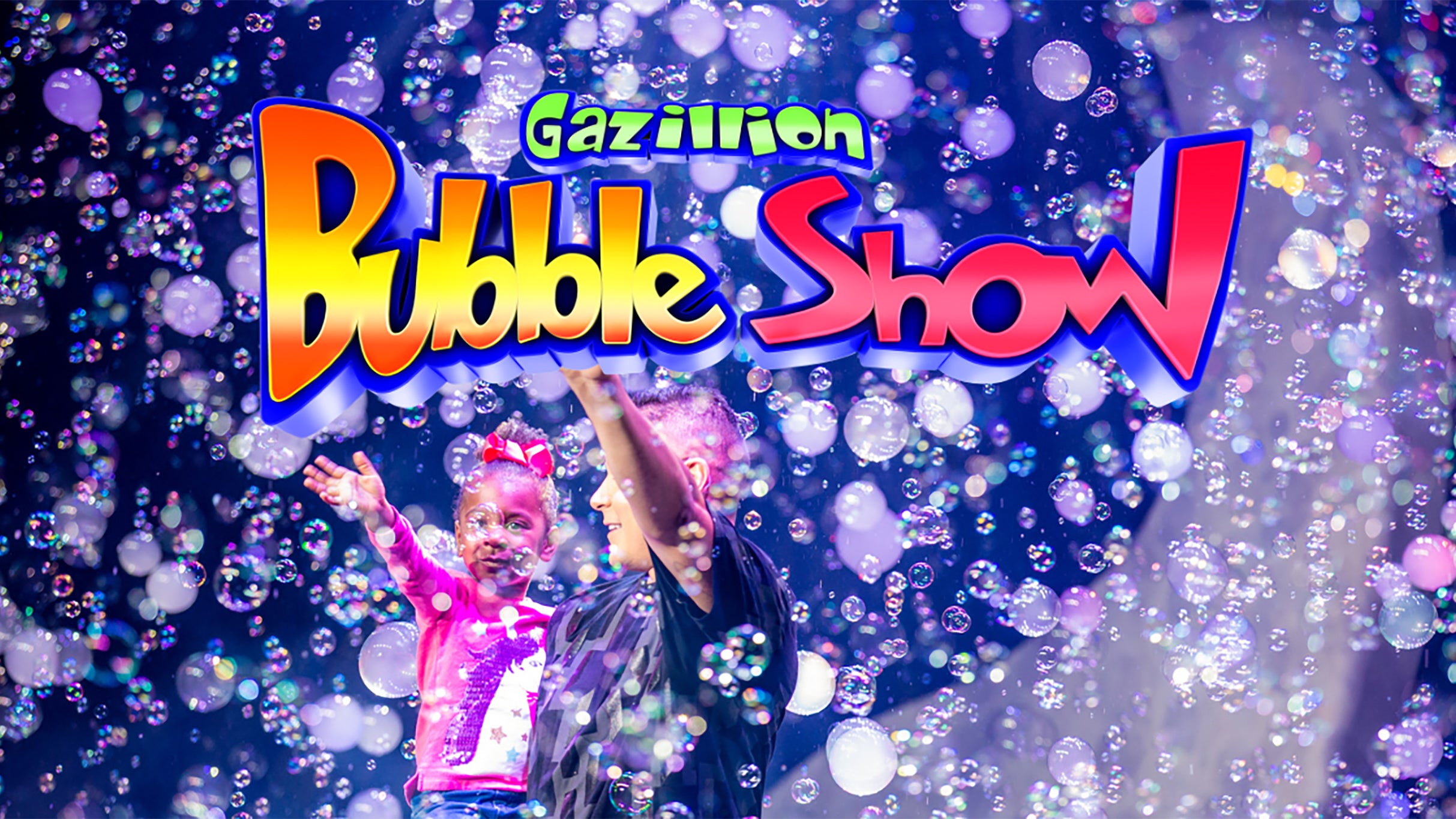
Apr. 18, 2026
The Gazillion Bubble Show