- Today
- Holidays
- Birthdays
- Reminders
- Cities
- Atlanta
- Austin
- Baltimore
- Berwyn
- Beverly Hills
- Birmingham
- Boston
- Brooklyn
- Buffalo
- Charlotte
- Chicago
- Cincinnati
- Cleveland
- Columbus
- Dallas
- Denver
- Detroit
- Fort Worth
- Houston
- Indianapolis
- Knoxville
- Las Vegas
- Los Angeles
- Louisville
- Madison
- Memphis
- Miami
- Milwaukee
- Minneapolis
- Nashville
- New Orleans
- New York
- Omaha
- Orlando
- Philadelphia
- Phoenix
- Pittsburgh
- Portland
- Raleigh
- Richmond
- Rutherford
- Sacramento
- Salt Lake City
- San Antonio
- San Diego
- San Francisco
- San Jose
- Seattle
- Tampa
- Tucson
- Washington
The North Sea's Oil & Gas Empire: A Look Back at the 1980s Boom
Newly discovered atlas reveals the scale and potential of the UK's once-thriving offshore industry
Apr. 13, 2026 at 1:15am
Got story updates? Submit your updates here. ›
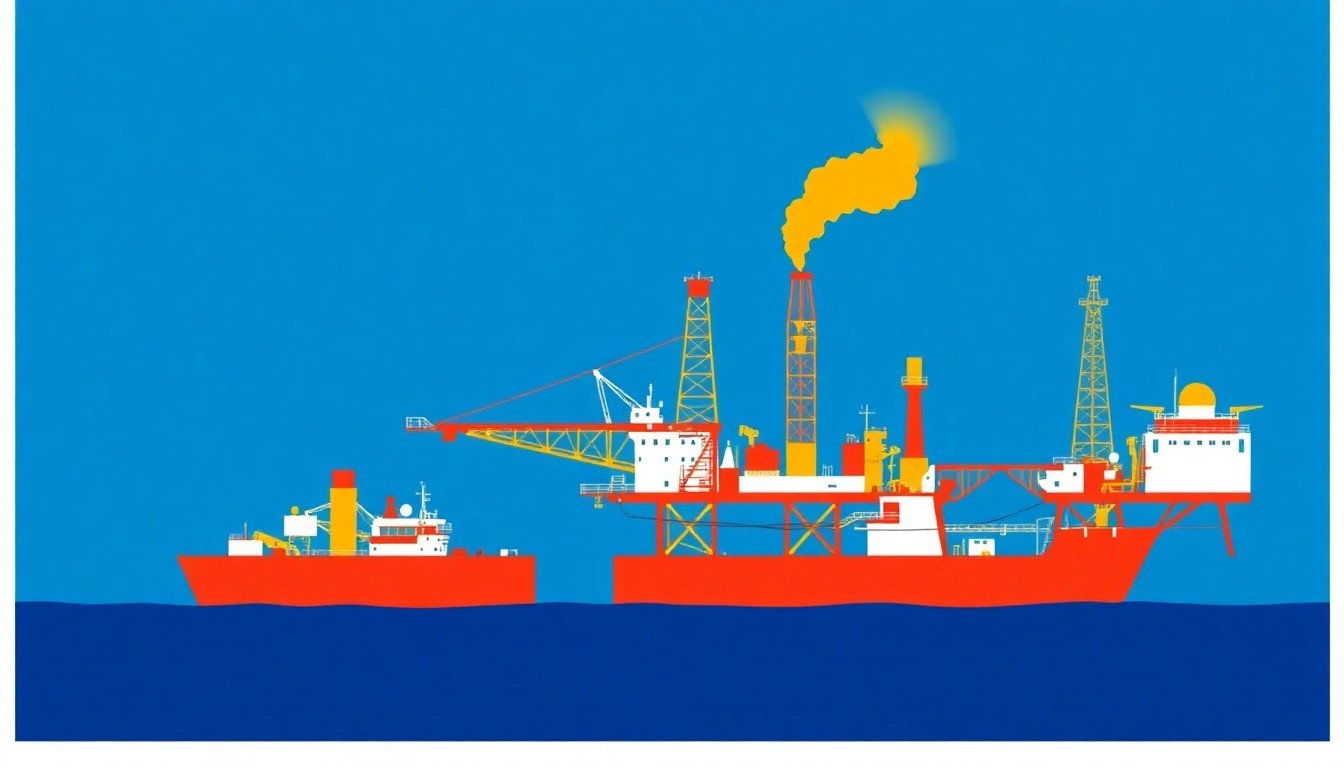 The North Sea's once-thriving oil and gas empire, captured in a geometric abstraction that evokes the scale and interconnectedness of the region's energy infrastructure during its 1980s heyday.NYC Today
A recently unearthed North Sea Atlas has provided a fascinating glimpse into the region's oil and gas boom during the 1980s, showcasing the vast networks of fields, concessions, and pipelines that fueled Britain's energy empire at the time. The atlas, produced by Oilfields Publications Ltd, offers detailed maps and insights into the industry's golden age, when the UK's North Sea output significantly outpaced Norway's. However, the story also highlights the challenges the industry has faced in recent years, including dwindling resources, political uncertainty, and fiscal instability, raising concerns about the future of the North Sea's energy security and expertise.
Why it matters
The North Sea Atlas serves as a powerful reminder of the potential and promise of the region's oil and gas industry, but also underscores the delicate balance between energy security, economic prosperity, and environmental sustainability that the UK must navigate as it transitions to a low-carbon economy. The lessons from the past can provide valuable insights and guidance for the future, ensuring that the North Sea's legacy is not forgotten but instead serves as a foundation for a sustainable and prosperous future.
The details
The North Sea Atlas, discovered by retired offshore specialist Maurice Tidy, showcases the vast networks of oil and gas fields, concessions, and pipelines that fueled Britain's energy empire in the 1980s. At the time, British North Sea output was significantly higher than Norway's, with 2.5 million barrels per day compared to 700,000 barrels per day. The atlas includes detailed maps of well-known fields like Brent, Forties, and Clair, as well as advertisements for entire oil rigs, research vessels, and specialized equipment, highlighting the technological advancements and infrastructure required to operate in the harsh North Sea environment.
- The North Sea Atlas was produced by Oilfields Publications Ltd in the 1980s, during the peak of the UK's oil and gas boom.
- Today, Norway produces nearly three times as much oil as the UK, a stark reminder of the changing dynamics in the region.
The players
Maurice Tidy
A retired offshore specialist who discovered the North Sea Atlas, providing a valuable glimpse into the industry's past.
Oilfields Publications Ltd
The company that produced the comprehensive North Sea Atlas, showcasing the region's oil and gas fields, concessions, and pipelines.
What’s next
As the UK navigates the transition to a low-carbon economy, the lessons from the past can provide valuable insights and guidance for the future, ensuring that the North Sea's legacy is not forgotten but instead serves as a foundation for a sustainable and prosperous future.
The takeaway
The North Sea Atlas serves as a powerful reminder of the potential and promise of the region's oil and gas industry, showcasing its golden age, technological advancements, and the labor force that supported it. However, it also underscores the challenges and uncertainties the industry has faced, particularly in recent years, highlighting the need for a balanced approach to energy security, economic prosperity, and environmental sustainability.
New York top stories



New York events

Apr. 13, 2026
Jamie Allan's Amaze
Apr. 13, 2026
The Great Gatsby
Apr. 13, 2026
Lady Gaga: The MAYHEM Ball