- Today
- Holidays
- Birthdays
- Reminders
- Cities
- Atlanta
- Austin
- Baltimore
- Berwyn
- Beverly Hills
- Birmingham
- Boston
- Brooklyn
- Buffalo
- Charlotte
- Chicago
- Cincinnati
- Cleveland
- Columbus
- Dallas
- Denver
- Detroit
- Fort Worth
- Houston
- Indianapolis
- Knoxville
- Las Vegas
- Los Angeles
- Louisville
- Madison
- Memphis
- Miami
- Milwaukee
- Minneapolis
- Nashville
- New Orleans
- New York
- Omaha
- Orlando
- Philadelphia
- Phoenix
- Pittsburgh
- Portland
- Raleigh
- Richmond
- Rutherford
- Sacramento
- Salt Lake City
- San Antonio
- San Diego
- San Francisco
- San Jose
- Seattle
- Tampa
- Tucson
- Washington
Religious Liberty Commission Urges Ongoing Vigilance Against Threats
Commissioners call for commission to continue monitoring challenges to religious freedom
Apr. 13, 2026 at 10:23pm
Got story updates? Submit your updates here. ›
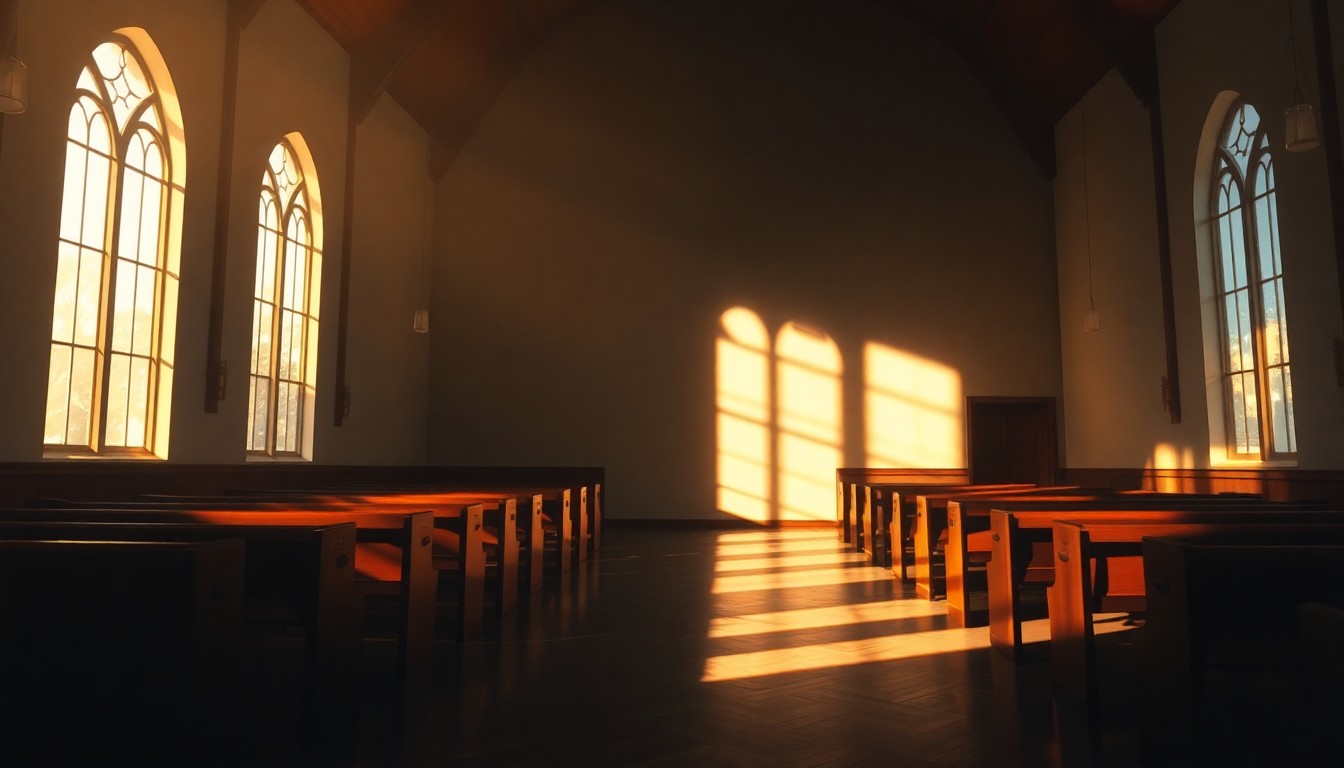 As religious liberty faces new challenges, a sense of quiet contemplation and resilience pervades the halls of America's faith communities.NYC Today
Members of the Religious Liberty Commission, including Texas Lt. Gov. Dan Patrick and former HUD Secretary Ben Carson, met for their final scheduled meeting and urged the commission to continue its work, warning that threats to religious freedom 'are not disappearing anytime soon.' The commissioners discussed recommendations to the president on protecting religious liberty and reflected on the past year's sessions, with Bishop Robert Barron detailing concerns over the 'ideology of self-invention' and its impact on institutions like healthcare and education.
Why it matters
The Religious Liberty Commission was created by President Trump to advocate for the protection of religious freedom in the U.S. Its final meeting highlighted ongoing challenges, including attacks on churches, restrictions on healthcare providers, and the rise of antisemitism, underscoring the need for continued vigilance in safeguarding this fundamental right.
The details
At the final meeting, the commission heard from witnesses on how religious liberty has facilitated human flourishing and how faith communities help address societal problems. Sister of Life Mary Elizabeth spoke about the important work of religious ministries and the legal threats they face, such as a 2022 New York law that targeted pregnancy centers. The commissioners agreed the commission should continue in some capacity to monitor threats to religious freedom.
- The Religious Liberty Commission held its final scheduled meeting on April 13, 2026.
- The commission was created by President Donald Trump.
The players
Dan Patrick
Texas Lt. Governor and chair of the Religious Liberty Commission.
Ben Carson
Former HUD Secretary and vice chair of the Religious Liberty Commission.
Bishop Robert Barron
Bishop of Winona-Rochester, Minnesota and member of the Religious Liberty Commission.
Sister Mary Elizabeth
Sister of Life who testified about the work of religious ministries and the legal threats they face.
Donald Trump
Former President who created the Religious Liberty Commission.
What they’re saying
“The principal enemy of religious liberty in our country is what I call the ideology of self-invention.”
— Bishop Robert Barron, Member, Religious Liberty Commission
“Threats to religious freedom both at home and abroad are not disappearing anytime soon.”
— Bishop Robert Barron, Member, Religious Liberty Commission
“Yes, we would like to continue. Our charter expires in a couple of months, and I think if we all sent a letter and signed it to the president, we'd like to continue to monitor the outcome; and to continue to have hearings as needed, as stories break and news breaks, would be a great privilege.”
— Dan Patrick, Chair, Religious Liberty Commission
“Ours is just one of thousands of religious ministries seeking to be such a light in the world to create a society in which people are cared for, valued and protected.”
— Sister Mary Elizabeth, Sister of Life
“Jesus said, 'Whatsoever you do to the least of these, you do to me.' So our religion actually impels us forth to charitable service to others.”
— Sister Mary Elizabeth, Sister of Life
What’s next
The Religious Liberty Commission plans to send a letter to the president requesting an extension of its charter to continue monitoring threats to religious freedom and holding hearings as needed.
The takeaway
This meeting underscores the ongoing challenges to religious liberty in the U.S., from attacks on houses of worship to restrictions on faith-based organizations. The commissioners' call to extend the commission's work signals the importance of vigilantly defending this fundamental freedom.
New York top stories



New York events
Apr. 18, 2026
Hamilton
Apr. 18, 2026
Candy Crafting at Cricket's Candy Creations
Apr. 18, 2026
The Gazillion Bubble Show