- Today
- Holidays
- Birthdays
- Reminders
- Cities
- Atlanta
- Austin
- Baltimore
- Berwyn
- Beverly Hills
- Birmingham
- Boston
- Brooklyn
- Buffalo
- Charlotte
- Chicago
- Cincinnati
- Cleveland
- Columbus
- Dallas
- Denver
- Detroit
- Fort Worth
- Houston
- Indianapolis
- Knoxville
- Las Vegas
- Los Angeles
- Louisville
- Madison
- Memphis
- Miami
- Milwaukee
- Minneapolis
- Nashville
- New Orleans
- New York
- Omaha
- Orlando
- Philadelphia
- Phoenix
- Pittsburgh
- Portland
- Raleigh
- Richmond
- Rutherford
- Sacramento
- Salt Lake City
- San Antonio
- San Diego
- San Francisco
- San Jose
- Seattle
- Tampa
- Tucson
- Washington
Psychiatry's Landmark Manual, the DSM, Set for Major Overhaul
The American Psychiatric Association plans to transform the DSM into a dynamic, online resource with more frequent updates.
Apr. 13, 2026 at 5:42am
Got story updates? Submit your updates here. ›
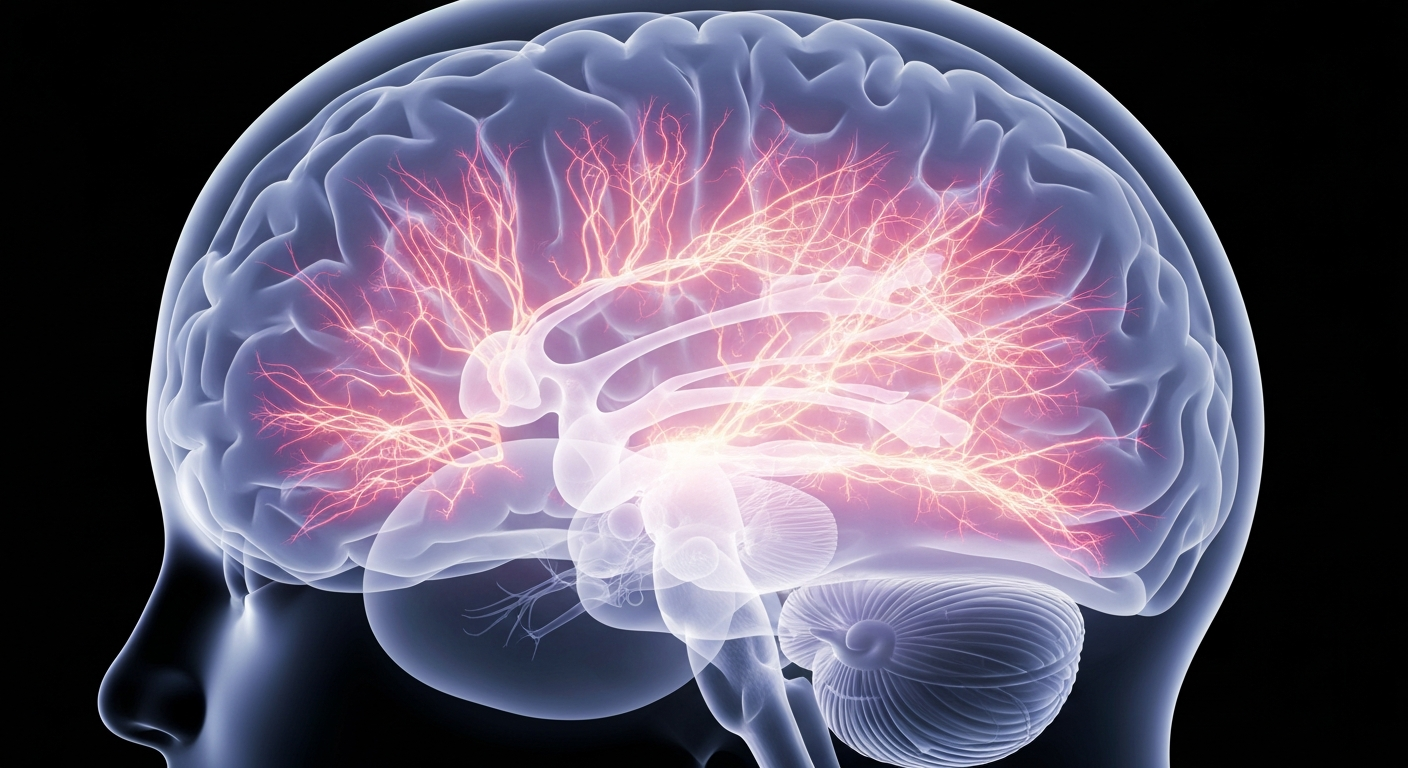 Cutting-edge imaging techniques could provide new insights into the biological underpinnings of mental health disorders.NYC Today
The American Psychiatric Association (APA) is preparing a major update to the Diagnostic and Statistical Manual of Mental Disorders (DSM), the cornerstone of psychiatric diagnosis. The new DSM will become an online "living document" with more frequent revisions to keep pace with the latest scientific advancements in mental health. The changes aim to address longstanding critiques, including the need to better understand the causes of mental disorders and incorporate biological markers for diagnosis and treatment.
Why it matters
The DSM is the foundational manual used by clinicians worldwide to diagnose and treat mental health conditions. This upcoming overhaul represents a significant shift in psychiatry, as the APA seeks to make the DSM a more dynamic, responsive, and scientifically-grounded resource. The changes could lead to earlier detection, more personalized treatments, and a deeper understanding of the complex factors that contribute to mental illness.
The details
The DSM revision process is being led by a strategic committee at the APA, which plans to transform the manual into an online "living document" that can be updated more regularly than the traditional 15-year cycle. This will allow clinicians quicker access to the latest evidence and discoveries. Additionally, the new DSM will place greater emphasis on understanding the causes of mental disorders, including the role of genetics, biology, environment, and life experiences. The APA also aims to incorporate emerging biomarkers, such as blood tests and neuroimaging, that can aid in diagnosis and guide personalized treatment approaches.
- The APA is currently overseeing the strategic planning for the DSM's future.
- The next major revision of the DSM is expected to be released in the coming years.
The players
American Psychiatric Association (APA)
The leading professional organization of psychiatrists and mental health professionals in the United States, responsible for publishing and updating the Diagnostic and Statistical Manual of Mental Disorders (DSM).
Dr. Maria Oquendo
Chair of the Strategic Committee overseeing the future of the DSM.
Dr. Nitin Gogtay
Deputy medical director of the American Psychiatric Association.
Dr. Jennifer Havens
Chair of child and adolescent psychiatry at NYU Grossman School of Medicine.
Dr. Jonathan Alpert
Vice chair of the Future DSM Steering Committee.
What they’re saying
“The DSM is the foundation for mental health diagnosis. It helps clinicians think accurately about what's happening with their patients.”
— Dr. Maria Oquendo, Chair of the Strategic Committee overseeing the DSM's future
“Clinicians may lack timely access to the most current evidence, which can delay the translation of new discoveries.”
— Dr. Nitin Gogtay, Deputy medical director of the APA
“There are valid critiques of the DSM. One major issue is that it doesn't address the causes of mental disorders.”
— Dr. Maria Oquendo, Chair of the Strategic Committee overseeing the DSM's future
“Understanding the causes of an illness is standard in medicine. It can help prevent the illness and guide treatment.”
— Dr. Jennifer Havens, Chair of child and adolescent psychiatry at NYU Grossman School of Medicine
“A subset of people with major depressive disorder have elevated inflammation, which can be detected with a blood test for C-reactive protein (CRP). These individuals respond well to anti-inflammatory agents, in addition to standard antidepressants like SSRIs.”
— Dr. Jonathan Alpert, Vice chair of the Future DSM Steering Committee
What’s next
The APA is currently gathering input from a diverse range of stakeholders, including healthcare providers, advocates, and individuals with lived experience of mental health conditions. The goal is to ensure the updated DSM is responsive to the needs of the mental health community.
The takeaway
The upcoming overhaul of the DSM represents a significant shift in psychiatry, as the APA seeks to make the manual a more dynamic, responsive, and scientifically-grounded resource. These changes could lead to earlier detection of mental health conditions, more personalized treatments, and a deeper understanding of the complex factors that contribute to mental illness, ultimately improving outcomes for individuals and communities.
New York top stories



New York events

Apr. 13, 2026
Jamie Allan's Amaze
Apr. 13, 2026
The Great Gatsby
Apr. 13, 2026
Lady Gaga: The MAYHEM Ball