- Today
- Holidays
- Birthdays
- Reminders
- Cities
- Atlanta
- Austin
- Baltimore
- Berwyn
- Beverly Hills
- Birmingham
- Boston
- Brooklyn
- Buffalo
- Charlotte
- Chicago
- Cincinnati
- Cleveland
- Columbus
- Dallas
- Denver
- Detroit
- Fort Worth
- Houston
- Indianapolis
- Knoxville
- Las Vegas
- Los Angeles
- Louisville
- Madison
- Memphis
- Miami
- Milwaukee
- Minneapolis
- Nashville
- New Orleans
- New York
- Omaha
- Orlando
- Philadelphia
- Phoenix
- Pittsburgh
- Portland
- Raleigh
- Richmond
- Rutherford
- Sacramento
- Salt Lake City
- San Antonio
- San Diego
- San Francisco
- San Jose
- Seattle
- Tampa
- Tucson
- Washington
New Research Challenges Views on Vegetative Patients
Studies suggest 'covert' consciousness may be more common than previously thought
Apr. 13, 2026 at 1:57am
Got story updates? Submit your updates here. ›
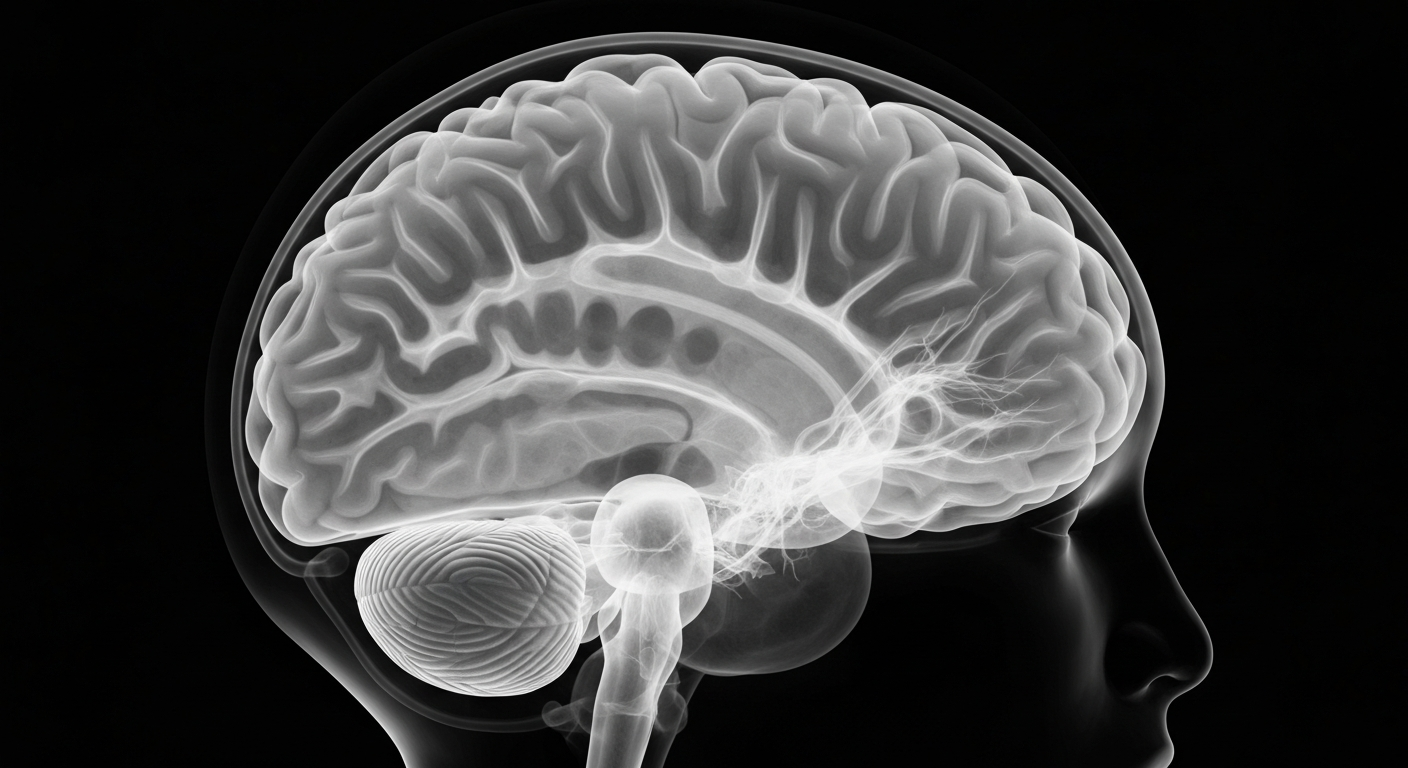 New research suggests the consciousness of vegetative patients may be more complex than previously assumed.NYC Today
A New York Times Magazine article explores how new research is upending the medical community's understanding of people in vegetative states. Brain imaging studies show that a significant number of these patients may have hidden or 'covert' awareness, challenging the long-held assumption that they lack any inner experience. The article traces how this emerging science collides with hospital routines, insurance limits, and family decisions about end-of-life care.
Why it matters
This research has major implications for how vegetative patients are diagnosed, treated, and cared for. If a meaningful share of these patients do have some level of consciousness, it raises profound ethical questions about end-of-life decisions and the quality of life for those in these states.
The details
The article focuses on the case of Tabitha Williams, whose 30-year-old husband Aaron was diagnosed as being in a persistent vegetative state without consciousness after a cardiac arrest in 2024. However, Tabitha believes Aaron may have a higher level of awareness than doctors have recognized. The piece explores how brain-imaging studies have found that some vegetative patients can respond to commands by altering their brain activity, and in some cases can even answer yes/no questions using these signals, despite showing no outward signs of awareness.
- The New York Times Magazine article was published on April 13, 2026.
- Aaron Williams suffered a cardiac arrest in 2024, leading to his vegetative state diagnosis.
The players
Tabitha Williams
The wife of Aaron Williams, who was diagnosed as being in a persistent vegetative state after a cardiac arrest in 2024.
Aaron Williams
A 30-year-old man who was diagnosed as being in a persistent vegetative state after a cardiac arrest in 2024, but whose wife Tabitha believes may have a higher level of awareness.
Katie Engelhart
The author of the New York Times Magazine article exploring new research on vegetative patients.
What they’re saying
“For decades, the vegetative state was treated as essentially hopeless: Patients might open their eyes or breathe on their own, but were believed to lack any inner experience.”
— Katie Engelhart, Author
The takeaway
This research challenges long-held assumptions about vegetative patients and raises profound ethical questions about end-of-life care and the quality of life for those in these states. It underscores the need for more nuanced diagnoses and greater consideration of the potential for consciousness, even in the absence of outward signs.
New York top stories


New York events

Apr. 13, 2026
Jamie Allan's Amaze
Apr. 13, 2026
The Great Gatsby
Apr. 13, 2026
Lady Gaga: The MAYHEM Ball