- Today
- Holidays
- Birthdays
- Reminders
- Cities
- Atlanta
- Austin
- Baltimore
- Berwyn
- Beverly Hills
- Birmingham
- Boston
- Brooklyn
- Buffalo
- Charlotte
- Chicago
- Cincinnati
- Cleveland
- Columbus
- Dallas
- Denver
- Detroit
- Fort Worth
- Houston
- Indianapolis
- Knoxville
- Las Vegas
- Los Angeles
- Louisville
- Madison
- Memphis
- Miami
- Milwaukee
- Minneapolis
- Nashville
- New Orleans
- New York
- Omaha
- Orlando
- Philadelphia
- Phoenix
- Pittsburgh
- Portland
- Raleigh
- Richmond
- Rutherford
- Sacramento
- Salt Lake City
- San Antonio
- San Diego
- San Francisco
- San Jose
- Seattle
- Tampa
- Tucson
- Washington
FCC Approves $6.2B Nexstar-Tegna Merger, Sparking Debate Over Local TV's Future
The decision to allow the creation of the largest local TV station operator in the U.S. has drawn legal challenges and concerns over media consolidation.
Apr. 13, 2026 at 7:36am
Got story updates? Submit your updates here. ›
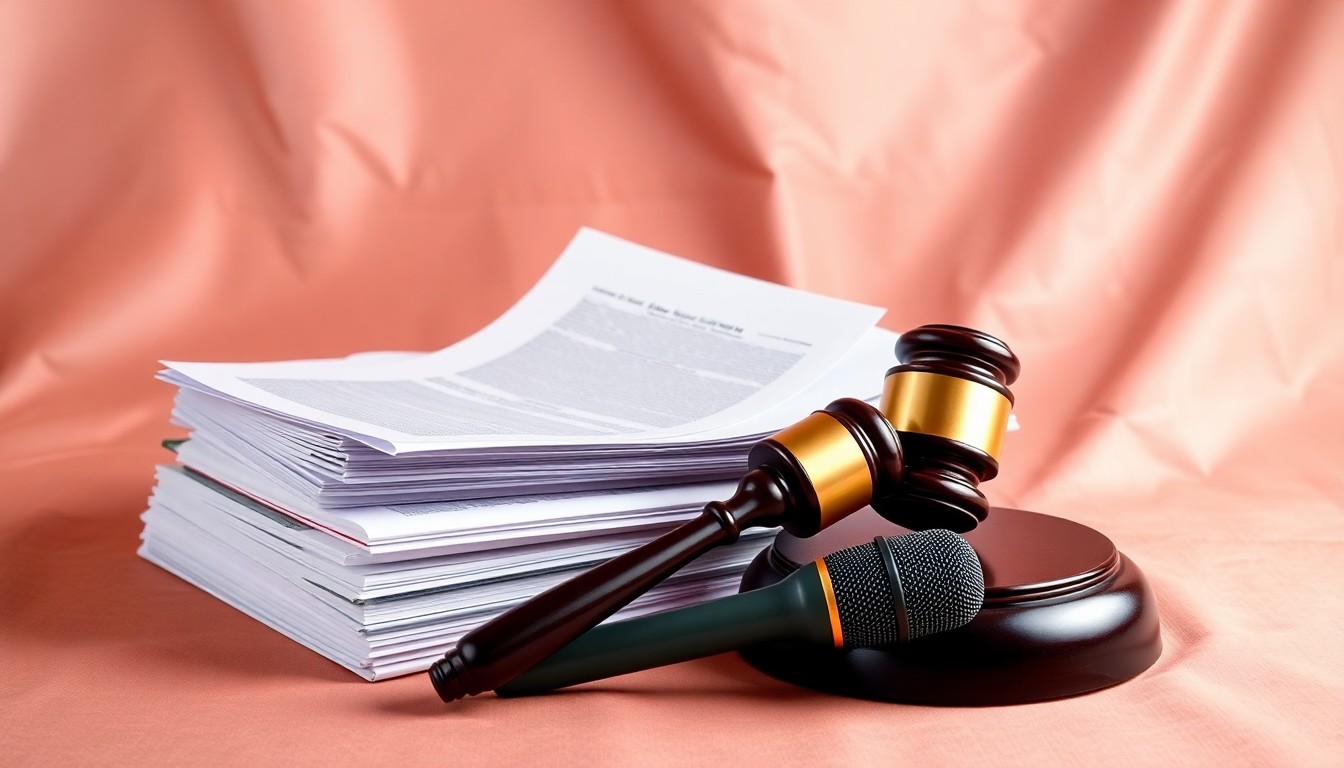 The FCC's approval of the Nexstar-Tegna merger has sparked intense legal challenges and public debate over the impact of media consolidation on local journalism.NYC Today
The Federal Communications Commission (FCC) has approved Nexstar's $6.2 billion merger with Tegna, creating the largest local TV station operator in the country. This controversial decision has sparked intense debate, legal challenges, and concerns over the potential impact on local journalism and media diversity.
Why it matters
The merger raises questions about media consolidation, the FCC's role in regulating ownership, and the future of local news coverage. Critics argue the deal could lead to reduced resources for local journalism, while supporters claim it will strengthen local broadcasters' ability to compete.
The details
The FCC waived a rule prohibiting a single company from owning TV stations reaching more than 39% of U.S. households, allowing the combined Nexstar-Tegna entity to cover at least 60% of households. This decision has drawn a lawsuit from a coalition of state attorneys general, who argue the merger violates antitrust law. Nexstar's CEO believes the merger will sustain strong local journalism, but critics fear it could result in fewer resources for local news.
- The FCC approved the Nexstar-Tegna merger on April 13, 2026.
- A coalition of state attorneys general filed a lawsuit to block the merger shortly after the FCC's decision.
The players
Nexstar
A major U.S. television broadcasting and digital media company that owns, operates, programs or provides sales and other services to 199 television stations in 116 markets.
Tegna
A media company that owns or operates 64 television stations across 51 U.S. markets and is one of the largest station groups in the country.
Brendan Carr
The Chairman of the Federal Communications Commission, who stated the merger will promote competition, localism, and diversity.
Perry Sook
The CEO of Nexstar, who believes the combined entity will be a "stronger, more dynamic enterprise" that ensures the continued presence of local news.
California and New York Attorneys General
A coalition of eight state attorneys general who filed a lawsuit to block the merger, arguing it violates federal antitrust law.
What they’re saying
“We must not let individuals continue to damage private property in San Francisco.”
— Robert Jenkins, San Francisco resident
“Fifty years is such an accomplishment in San Francisco, especially with the way the city has changed over the years.”
— Gordon Edgar, grocery employee
What’s next
The lawsuit filed by the coalition of state attorneys general will be a key next step in determining the fate of the Nexstar-Tegna merger.
The takeaway
The FCC's approval of the Nexstar-Tegna merger highlights the complex dynamics of media ownership and its impact on local journalism. While the decision aims to promote competition and localism, it has raised concerns about media consolidation and the potential consequences for the diversity and quality of local news coverage.
New York top stories

New York events
Apr. 13, 2026
Jamie Allan's Amaze
Apr. 13, 2026
The Great Gatsby
Apr. 13, 2026
Lady Gaga: The MAYHEM Ball