- Today
- Holidays
- Birthdays
- Reminders
- Cities
- Atlanta
- Austin
- Baltimore
- Berwyn
- Beverly Hills
- Birmingham
- Boston
- Brooklyn
- Buffalo
- Charlotte
- Chicago
- Cincinnati
- Cleveland
- Columbus
- Dallas
- Denver
- Detroit
- Fort Worth
- Houston
- Indianapolis
- Knoxville
- Las Vegas
- Los Angeles
- Louisville
- Madison
- Memphis
- Miami
- Milwaukee
- Minneapolis
- Nashville
- New Orleans
- New York
- Omaha
- Orlando
- Philadelphia
- Phoenix
- Pittsburgh
- Portland
- Raleigh
- Richmond
- Rutherford
- Sacramento
- Salt Lake City
- San Antonio
- San Diego
- San Francisco
- San Jose
- Seattle
- Tampa
- Tucson
- Washington
Criminal Gangs Target Green Energy Projects in 'New Gold Rush'
Theft, graft, and security gaps threaten to distort the renewable energy transition.
Apr. 13, 2026 at 3:25am
Got story updates? Submit your updates here. ›
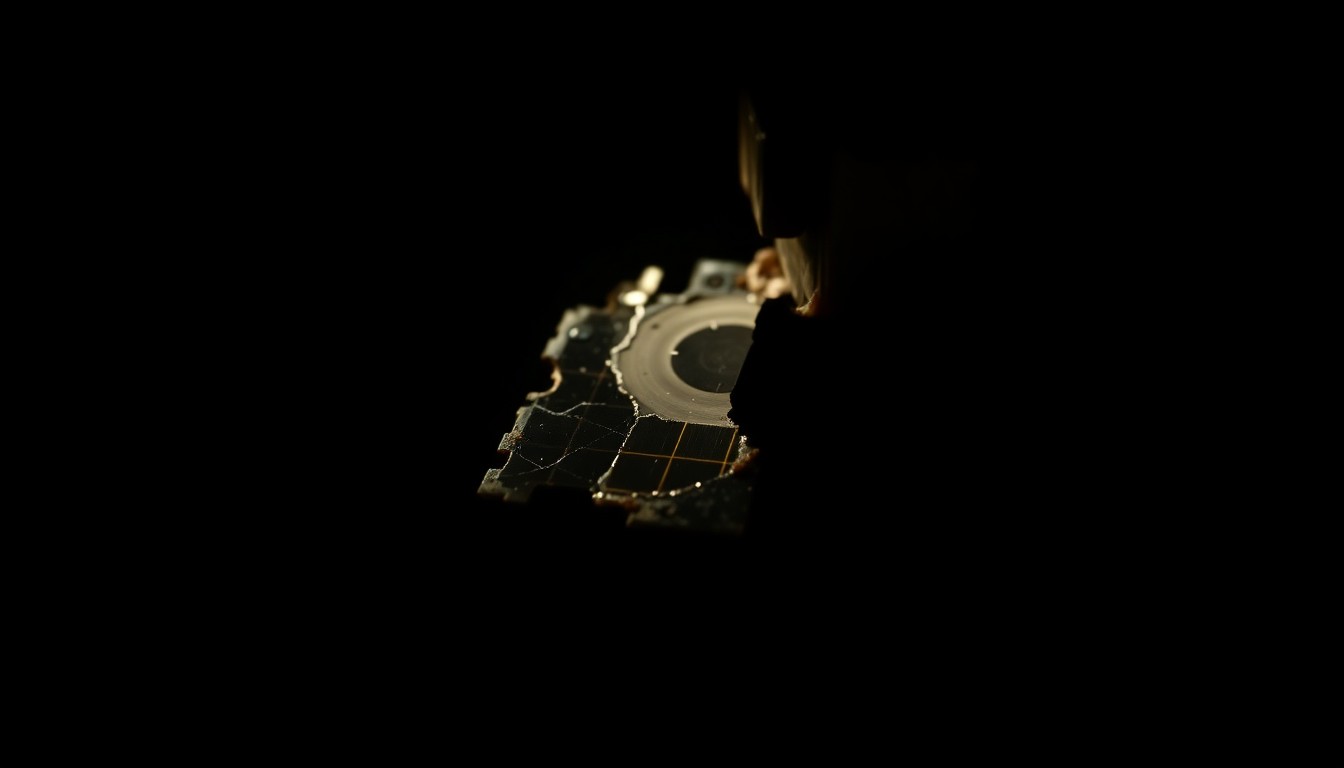 A recent wave of targeted vandalism and theft at remote renewable energy sites exposes vulnerabilities in the green transition.NYC Today
As the push to decarbonize accelerates, criminal networks are eyeing renewable energy projects as a lucrative new cash pipeline. Remote wind and solar sites, with their predictable revenue streams and valuable materials, have become a magnet for theft, sabotage, and other illicit activities. Experts warn that without robust security measures integrated into project design from the start, the green energy boom could be undermined by a 'new gold rush' of organized crime.
Why it matters
The rise of distributed, decentralized renewable infrastructure has created new vulnerabilities that criminal networks are eager to exploit. If left unchecked, these security breaches could drive up costs, disrupt operations, and erode investor confidence in the renewable energy transition - threatening to slow the very progress we need to combat climate change.
The details
Criminal groups are drawn to renewable projects for two key reasons: the predictable revenue streams from power purchase agreements, and the valuable materials like rare earth magnets, copper, and solar modules that can be stolen and resold. The more remote and dispersed these assets become, the more appealing they are to illicit actors who can take advantage of oversight gaps and complex supply chains. Integrating security measures like anti-theft sensors, tamper-proof hardware, and real-time monitoring into project design from the start is crucial, but many developers still treat security as an afterthought.
- The rush to decarbonize has accelerated the deployment of renewable energy projects across the globe.
- Criminal networks have increasingly targeted these remote wind and solar sites in recent years, seeing them as a new 'cash cow'.
The players
Renewable Energy Developers
Companies and organizations responsible for planning, building, and operating wind, solar, and other green energy projects.
Criminal Networks
Organized crime groups seeking to exploit vulnerabilities in the renewable energy supply chain through theft, sabotage, and other illicit activities.
Policymakers and Regulators
Government entities tasked with creating and enforcing policies, standards, and oversight mechanisms to secure the renewable energy transition.
What they’re saying
“The security architecture of renewable projects must move from add-on to core design. That means integrating anti-theft sensors, tamper-proof hardware, and continuous authentication for site access from day one.”
— Industry Expert
“If we want a reliable, affordable, and fast-moving green grid, security must be treated as a strategic asset rather than a compliance checkbox.”
— Industry Expert
What’s next
Policymakers and industry groups are working to develop standardized security guidelines and best practices for renewable energy projects to mitigate the growing threat of criminal activity. Mandatory security audits, supplier risk scoring, and community engagement initiatives are among the strategies being explored.
The takeaway
The energy transition is not just a climate project, but a test of governance at scale. Integrating robust security measures into renewable energy infrastructure from the ground up will be crucial to ensuring the green transition is reliable, affordable, and resilient in the face of criminal exploitation.
New York top stories



New York events

Apr. 13, 2026
Jamie Allan's Amaze
Apr. 13, 2026
The Great Gatsby
Apr. 13, 2026
Lady Gaga: The MAYHEM Ball