- Today
- Holidays
- Birthdays
- Reminders
- Cities
- Atlanta
- Austin
- Baltimore
- Berwyn
- Beverly Hills
- Birmingham
- Boston
- Brooklyn
- Buffalo
- Charlotte
- Chicago
- Cincinnati
- Cleveland
- Columbus
- Dallas
- Denver
- Detroit
- Fort Worth
- Houston
- Indianapolis
- Knoxville
- Las Vegas
- Los Angeles
- Louisville
- Madison
- Memphis
- Miami
- Milwaukee
- Minneapolis
- Nashville
- New Orleans
- New York
- Omaha
- Orlando
- Philadelphia
- Phoenix
- Pittsburgh
- Portland
- Raleigh
- Richmond
- Rutherford
- Sacramento
- Salt Lake City
- San Antonio
- San Diego
- San Francisco
- San Jose
- Seattle
- Tampa
- Tucson
- Washington
State Dept. Accuses Far-Left Groups of Amplifying Chinese Influence
Report alleges Code Pink and People's Forum are unknowingly or knowingly advancing CCP agenda
Apr. 12, 2026 at 8:08pm
Got story updates? Submit your updates here. ›
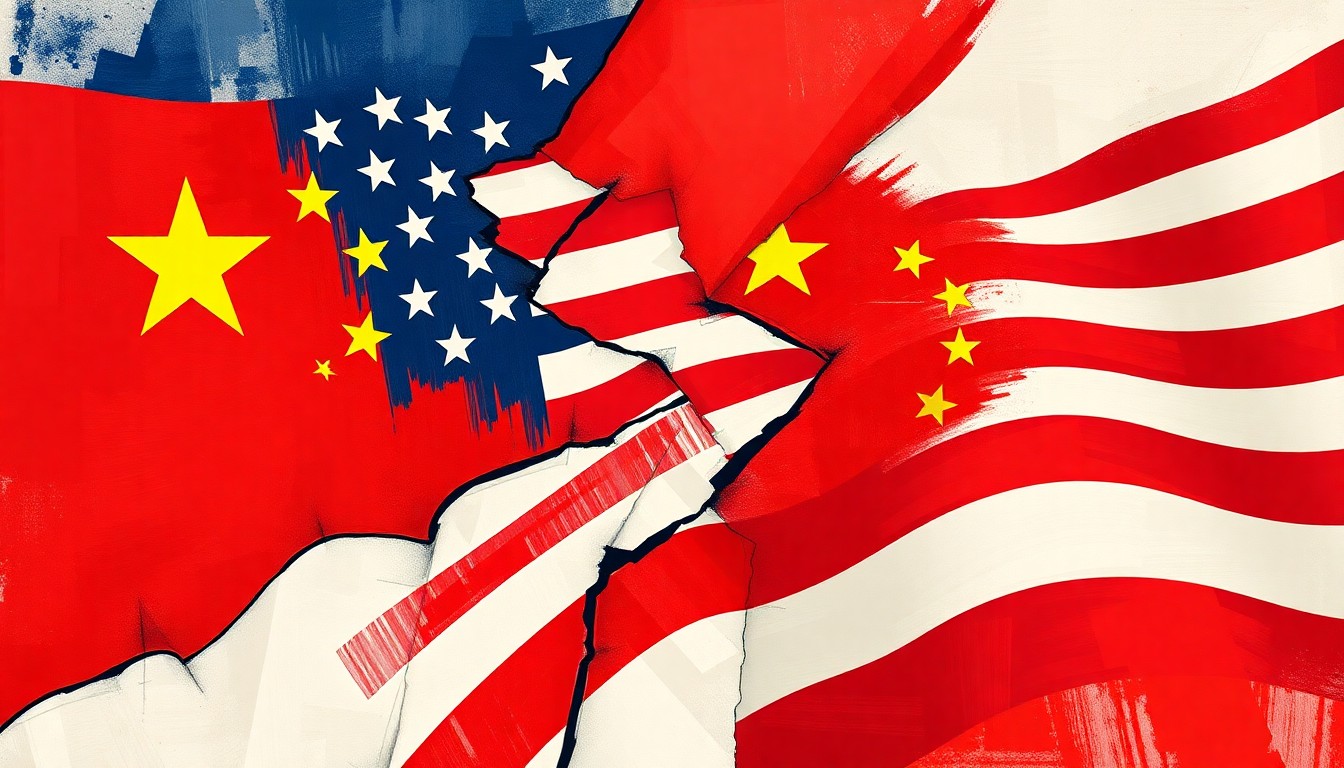 The State Department's allegations of Chinese influence operations targeting American nonprofits expose the complex geopolitical tensions between the U.S. and China.NYC Today
A new U.S. State Department report has accused prominent far-left groups, including Code Pink and the People's Forum, of amplifying Chinese influence operations within the United States. The report suggests these organizations, while claiming to champion progressive causes, may be inadvertently or knowingly advancing the agenda of the Chinese Communist Party (CCP).
Why it matters
The allegations raise concerns about the potential for foreign influence operations to infiltrate American nonprofits and leverage them to shape public opinion. The report highlights how nations like China, Iran, and Russia are using sophisticated 'public diplomacy' tactics, including cultural exchanges and reporting tours, to undermine U.S. credibility and expand their global influence.
The details
According to the State Department's 'Countering Foreign Information Manipulation and Interference' report, China is leveraging nonprofit organizations to spread its propaganda and shape public opinion in the U.S. Code Pink and the People's Forum are named as key players in this strategy. The report alleges that the 'Singham network,' a collection of nonprofits funded by American billionaire Neville Roy Singham, who lives in China, funnels money to groups like Code Pink, which then promote pro-China narratives under the guise of anti-war activism. Meanwhile, the People's Forum takes a more academic approach, studying the Chinese Communist Revolution as a blueprint for leftist movements in the U.S.
- The State Department report was released on April 12, 2026.
- In 2023, the New York Times reported that Neville Roy Singham 'works closely with Chinese state media to finance global propaganda efforts.'
The players
U.S. State Department
The federal agency responsible for U.S. foreign policy and international relations.
Code Pink
A prominent far-left nonprofit organization that has increasingly shifted its focus to defending China, according to the State Department report.
The People's Forum
A New York-based far-left group that studies the Chinese Communist Revolution as a blueprint for leftist movements in the U.S.
Neville Roy Singham
An American billionaire living in China who reportedly funds the 'Singham network' of nonprofits, including Code Pink, which are accused of promoting pro-China narratives.
Sarah Rogers
Under Secretary of State for Public Diplomacy, who stated that 'Partisan hacks spent years chasing the Russia collusion narrative while ignoring the vast network of far-left groups pushing CCP agendas.'
What they’re saying
“These organizations denigrate the U.S., whitewash the violence of Marxist regimes, and shield China from criticism—all while receiving funds from donors tied to the CCP.”
— Sarah Rogers, Under Secretary of State for Public Diplomacy
“We must defend China from our government's aggression.”
— Participant
What’s next
The State Department has vowed to pursue 'complete transparency' for donor and NGO networks lobbying for U.S. adversaries. Code Pink and the People's Forum have yet to respond to requests for comment, leaving the public to wonder if these organizations are truly independent or are being used as pawns in a larger geopolitical game.
The takeaway
This report highlights the growing concerns about foreign influence operations targeting American nonprofits and the potential for these groups to be unknowingly or knowingly used to advance the agendas of U.S. adversaries. The debate over these allegations will likely continue, raising questions about the balance between legitimate dissent and the threat of foreign manipulation.