- Today
- Holidays
- Birthdays
- Reminders
- Cities
- Atlanta
- Austin
- Baltimore
- Berwyn
- Beverly Hills
- Birmingham
- Boston
- Brooklyn
- Buffalo
- Charlotte
- Chicago
- Cincinnati
- Cleveland
- Columbus
- Dallas
- Denver
- Detroit
- Fort Worth
- Houston
- Indianapolis
- Knoxville
- Las Vegas
- Los Angeles
- Louisville
- Madison
- Memphis
- Miami
- Milwaukee
- Minneapolis
- Nashville
- New Orleans
- New York
- Omaha
- Orlando
- Philadelphia
- Phoenix
- Pittsburgh
- Portland
- Raleigh
- Richmond
- Rutherford
- Sacramento
- Salt Lake City
- San Antonio
- San Diego
- San Francisco
- San Jose
- Seattle
- Tampa
- Tucson
- Washington
Sports Betting's $17 Billion Boom Demands a Reckoning
The rapid growth of the US sports betting industry is colliding with addiction crises and integrity scandals, forcing a regulatory shift.
Apr. 12, 2026 at 9:11am
Got story updates? Submit your updates here. ›
 As the sports betting industry booms, regulators are grappling with the ethical fallout of rapid growth and the need to balance commercial interests with consumer protection.NYC Today
The US sports betting industry generated nearly $17 billion in 2025, but a wave of integrity scandals and addiction crises is forcing a regulatory pivot from expansion to harm reduction. Regulators are now backing away from unbridled growth and moving toward sensible frameworks to curb aggressive marketing, mandate stricter self-exclusion tools, and take a hard look at the ethics of algorithmic betting.
Why it matters
The explosive growth of the sports betting industry since the repeal of PASPA in 2018 has brought significant economic benefits, but also concerning public health issues and integrity threats to the sports themselves. Lawmakers are now shifting focus from promotion to mitigation, seeking to balance the industry's commercial interests with the need to protect vulnerable consumers and maintain the credibility of athletic competitions.
The details
The sports betting industry's rapid post-PASPA growth is colliding with addiction crises and match-fixing scandals. Features like live, in-play wagering in mobile betting apps are exploiting cognitive biases and keeping users hooked on rapid-fire micro-bets, leading to spikes in calls to gambling addiction hotlines. Beyond the public health crisis, the integrity of the sports being wagered on is also facing unprecedented threats, with incidents of NBA gambling scandals and college basketball players charged with point shaving.
- In 2018, the Supreme Court struck down the Professional and Amateur Sports Protection Act (PASPA), allowing state-sanctioned sports betting to explode.
- In late 2025 and early 2026, an NBA gambling scandal prompted a Congressional briefing, and the FBI charged 26 college basketball players with point shaving.
- In February 2026, New Jersey lawmakers revealed a package of four responsible gambling reform bills, and New York is advancing similar measures.
The players
Nick Pell
A commentator who recently sat down with Jordan Harbinger to discuss the pressing tension in the sports betting industry between rapid economic growth and mounting ethical concerns.
Adam Silver
The NBA Commissioner, whose league faced a gambling scandal that prompted a Congressional briefing.
What they’re saying
“Gambling should absolutely remain legal, but the current operational playbook needs drastic revision.”
— Nick Pell, Commentator
What’s next
Regulators are taking a hard look at the ethics of algorithmic betting, and the coming regulatory crackdown will dictate how these algorithms can be legally deployed. Operators and startups in the industry must evolve their strategies to invest heavily in compliance, user protection technology, and sustainable acquisition models rather than aggressive customer lifetime value extraction based on harmful behavior.
The takeaway
The explosive growth of the sports betting industry has brought significant economic benefits, but also concerning public health issues and integrity threats to the sports themselves. Lawmakers are now shifting focus from promotion to mitigation, seeking to balance the industry's commercial interests with the need to protect vulnerable consumers and maintain the credibility of athletic competitions.
New York top stories

New York events
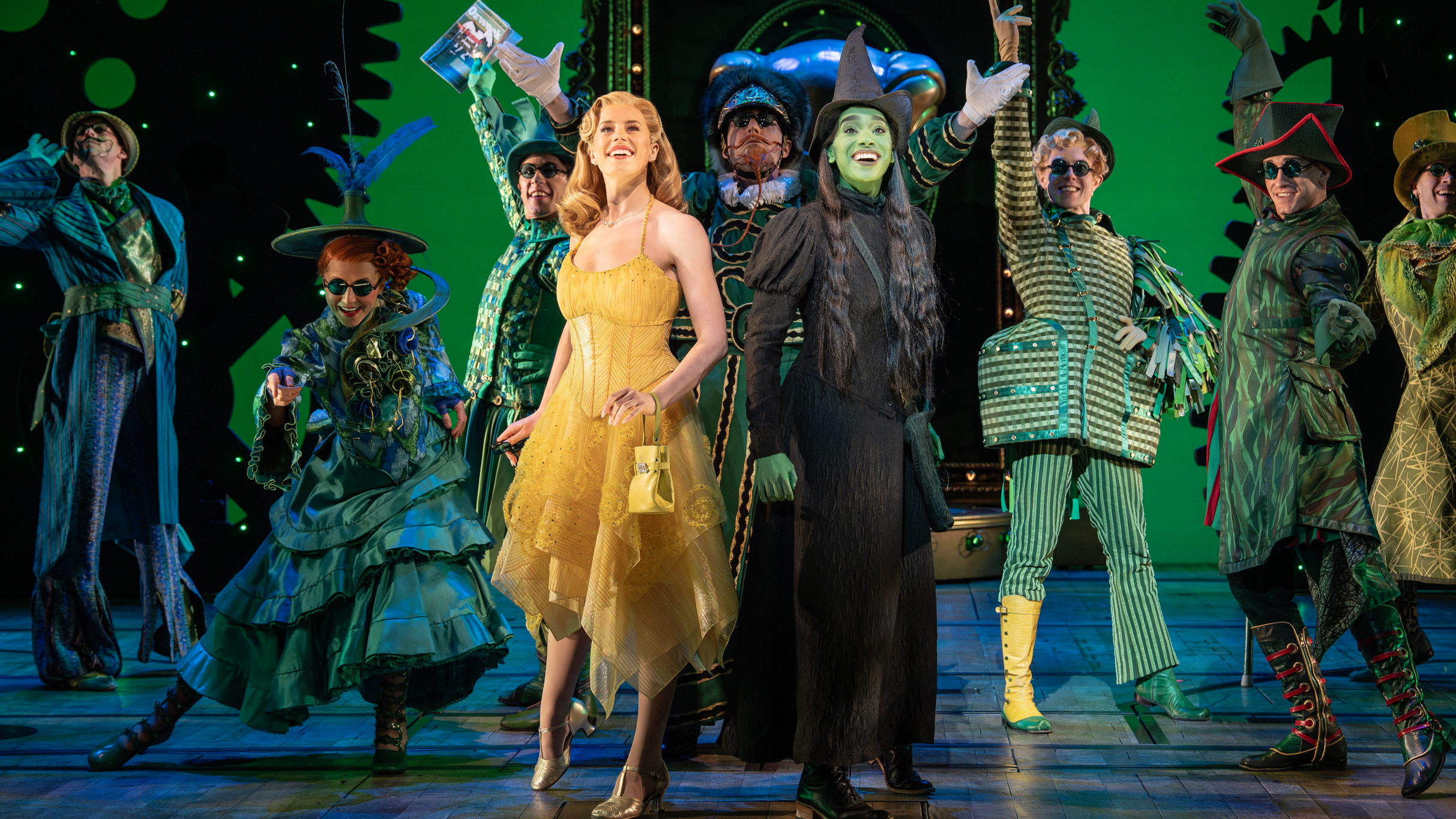
Apr. 12, 2026
Wicked
Apr. 12, 2026
Candy Crafting at Cricket's Candy Creations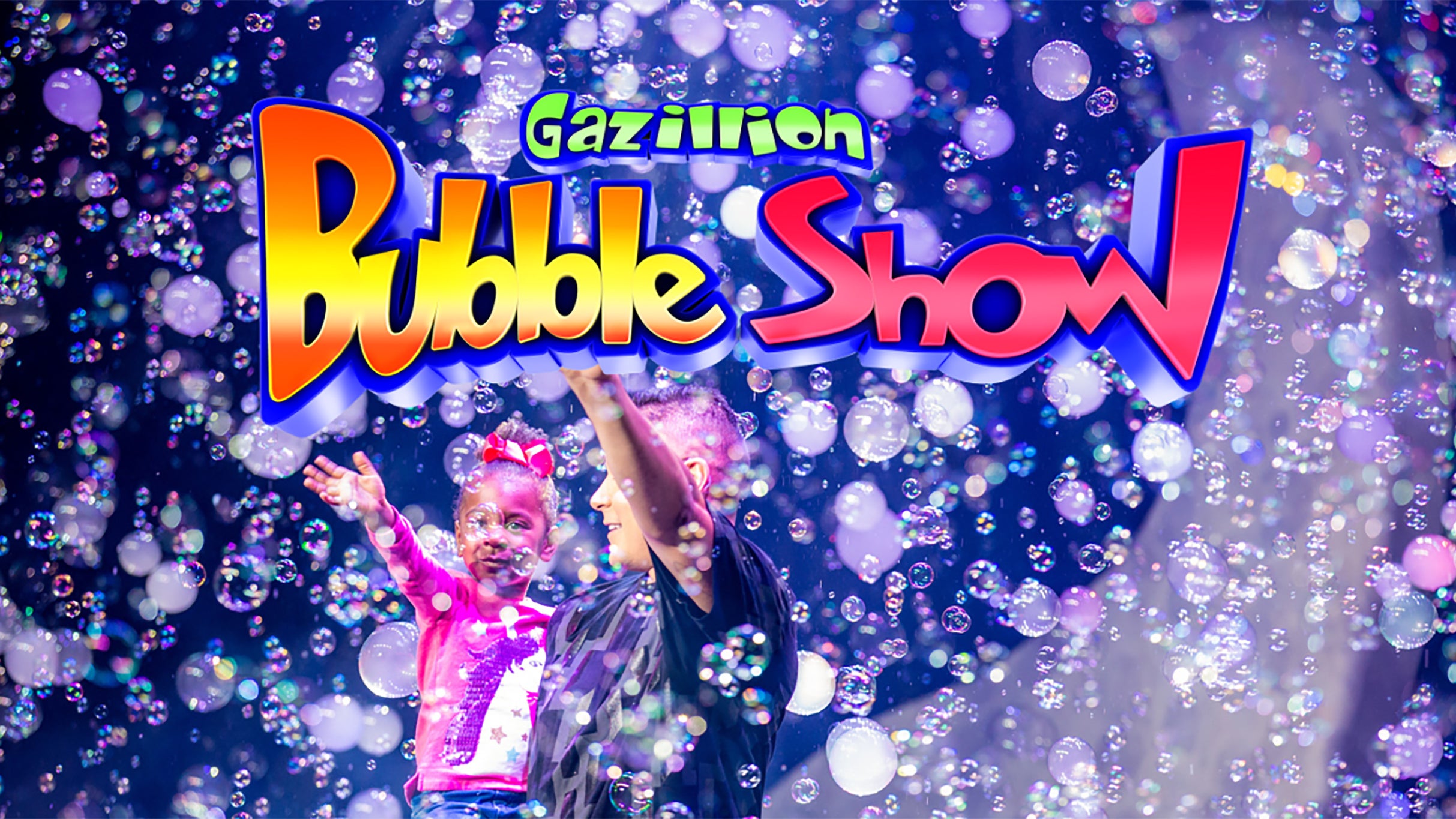
Apr. 12, 2026
The Gazillion Bubble Show