- Today
- Holidays
- Birthdays
- Reminders
- Cities
- Atlanta
- Austin
- Baltimore
- Berwyn
- Beverly Hills
- Birmingham
- Boston
- Brooklyn
- Buffalo
- Charlotte
- Chicago
- Cincinnati
- Cleveland
- Columbus
- Dallas
- Denver
- Detroit
- Fort Worth
- Houston
- Indianapolis
- Knoxville
- Las Vegas
- Los Angeles
- Louisville
- Madison
- Memphis
- Miami
- Milwaukee
- Minneapolis
- Nashville
- New Orleans
- New York
- Omaha
- Orlando
- Philadelphia
- Phoenix
- Pittsburgh
- Portland
- Raleigh
- Richmond
- Rutherford
- Sacramento
- Salt Lake City
- San Antonio
- San Diego
- San Francisco
- San Jose
- Seattle
- Tampa
- Tucson
- Washington
New York Lags on Clean Energy Goals, Leaving Residents Vulnerable
State's climate law faces delays, leaving the state short of emissions targets and reliant on volatile fossil fuels.
Apr. 12, 2026 at 5:24pm
Got story updates? Submit your updates here. ›
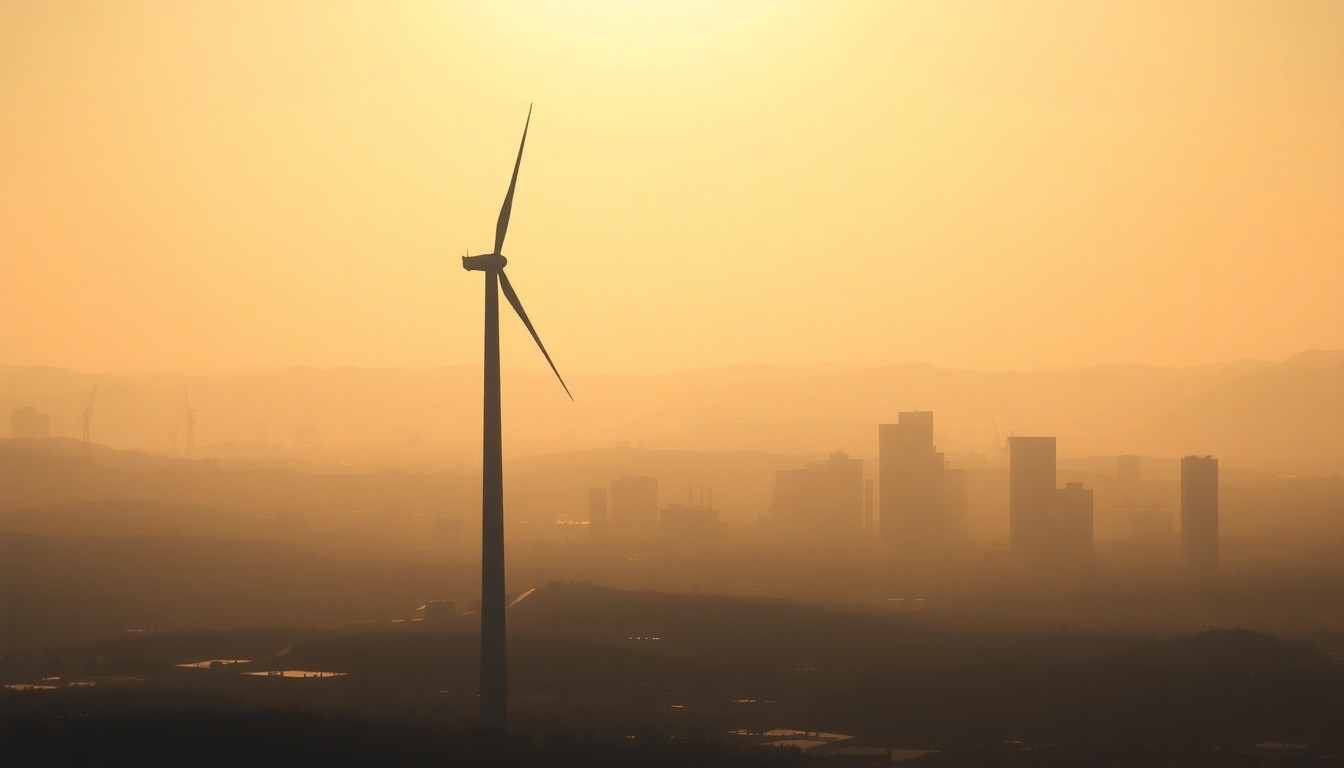 As New York struggles to transition to renewable energy, the state's reliance on volatile fossil fuels leaves residents vulnerable to economic and environmental risks.NYC Today
New York passed ambitious climate legislation in 2019 that set goals to reduce greenhouse gas emissions and transition to renewable energy. However, the state is now falling behind on implementing the law, with a key cap-and-invest program delayed and the state missing its 2030 emissions reduction target. This leaves New Yorkers vulnerable to the economic and environmental costs of continued fossil fuel dependence.
Why it matters
New York's failure to meet its climate goals means the state remains reliant on volatile global fossil fuel markets, leaving residents exposed to price shocks and the growing impacts of climate change. Transitioning to clean energy could provide more stability and predictability, but progress has been slowed by regulatory hurdles.
The details
In 2019, New York passed the Climate Leadership and Community Protection Act, which set targets to reduce emissions 40% by 2030 and reach a zero-emission grid by 2040. However, the state has fallen behind on implementing key policies like a cap-and-invest program that was legally required by 2024 but has faced delays. Environmental groups have sued the state over the missed deadline. Governor Hochul has proposed delaying the program further, citing concerns over consumer costs, but advocates argue the long-term costs of fossil fuel dependence are far greater.
- In 2019, New York passed the Climate Leadership and Community Protection Act.
- The cap-and-invest program was legally required to be implemented by January 2024, but that deadline was missed.
- Environmental groups sued the state over the missed deadline, and a court ruled the state had violated the law.
The players
New York State
The state government of New York, which passed ambitious climate legislation in 2019 but has struggled to implement key policies.
Governor Kathy Hochul
The current governor of New York, who has proposed delaying implementation of the cap-and-invest program due to concerns over consumer costs.
Environmental groups
Advocacy organizations that have sued the state over its failure to meet legal deadlines for the climate law.
What they’re saying
“Focusing only on short-term implementation costs ignores the far greater cost of remaining dependent on fossil fuels.”
— Barbara Russo-Lennon, New York State Senator
What’s next
The state is currently appealing the court ruling that found it violated the climate law. The outcome of that appeal will determine the next steps for implementing the cap-and-invest program and getting the state back on track to meet its emissions reduction goals.
The takeaway
New York's failure to swiftly implement its landmark climate legislation has left the state reliant on volatile global fossil fuel markets, exposing residents to economic and environmental risks. Transitioning to clean energy could provide more stability, but regulatory hurdles have slowed progress, underscoring the need for reforms to modernize the state's infrastructure approval process.
New York top stories


New York events
Apr. 12, 2026
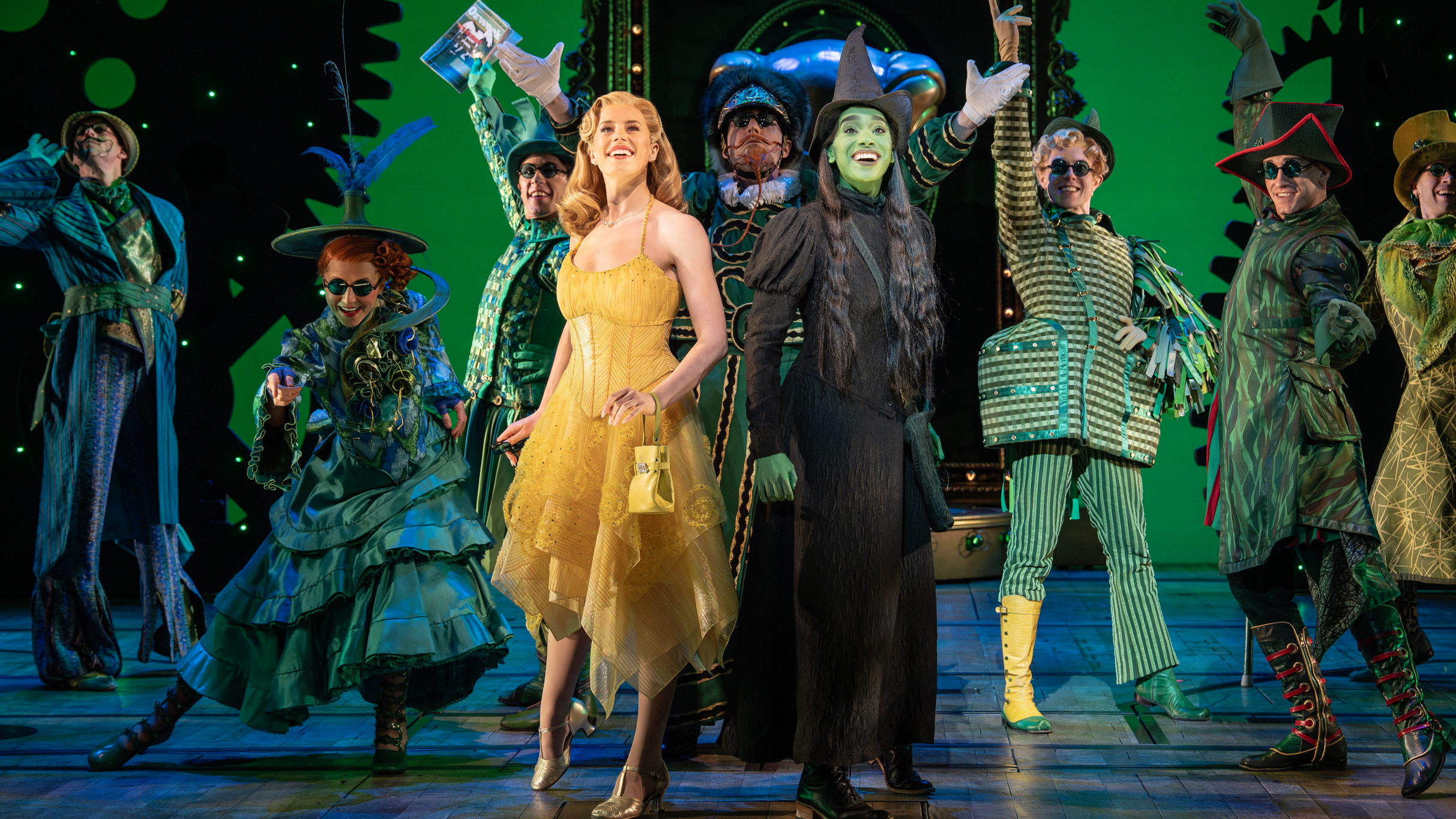
Wicked
Apr. 12, 2026
Candy Crafting at Cricket's Candy Creations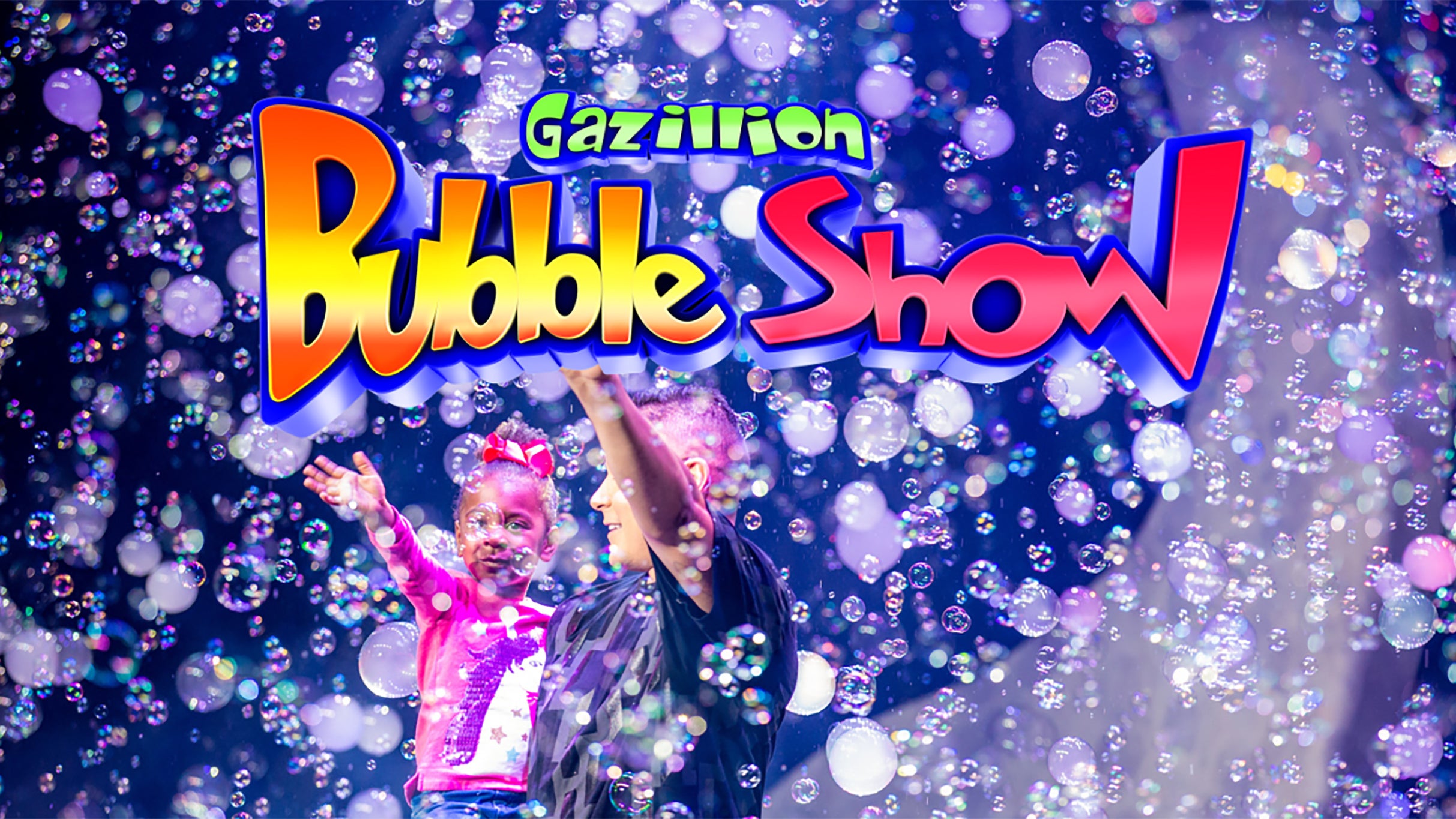
Apr. 12, 2026
The Gazillion Bubble Show