- Today
- Holidays
- Birthdays
- Reminders
- Cities
- Atlanta
- Austin
- Baltimore
- Berwyn
- Beverly Hills
- Birmingham
- Boston
- Brooklyn
- Buffalo
- Charlotte
- Chicago
- Cincinnati
- Cleveland
- Columbus
- Dallas
- Denver
- Detroit
- Fort Worth
- Houston
- Indianapolis
- Knoxville
- Las Vegas
- Los Angeles
- Louisville
- Madison
- Memphis
- Miami
- Milwaukee
- Minneapolis
- Nashville
- New Orleans
- New York
- Omaha
- Orlando
- Philadelphia
- Phoenix
- Pittsburgh
- Portland
- Raleigh
- Richmond
- Rutherford
- Sacramento
- Salt Lake City
- San Antonio
- San Diego
- San Francisco
- San Jose
- Seattle
- Tampa
- Tucson
- Washington
Debbie Harry Reflects on CBGB's Lasting Impact on Blondie
The iconic frontwoman shares memories of the legendary New York club that shaped her band's rise to fame.
Apr. 12, 2026 at 4:26am
Got story updates? Submit your updates here. ›
 The shattered remnants of the CBGB's iconic disco ball reflect the club's enduring legacy as a hub of creativity and innovation.NYC Today
In a new interview, Debbie Harry, the lead singer of the iconic band Blondie, reflects on the profound influence of the legendary CBGB club in New York City. The small but vibrant venue served as a launching pad for countless artists, including Blondie, and fostered a sense of community, creativity, and innovation that left an indelible mark on the music industry.
Why it matters
The CBGB was more than just a music venue - it was a cultural phenomenon that helped define the sound and spirit of New York City's underground music scene in the 1970s. Its closure in 2006 marked the end of an era, and its absence has been deeply felt by artists and fans alike. Debbie Harry's reflections on the club's impact on Blondie's rise to fame shed light on the CBGB's enduring legacy and its role in shaping the careers of countless musicians.
The details
Debbie Harry describes the CBGB as a small but electric space that provided a platform for emerging talent. The intimate setting fostered a sense of community and creativity, allowing artists like Blondie to hone their skills and build a loyal following. Despite the financial struggles that came with playing at the club, Harry remembers the CBGB with both affection and regret, as it was a crucial part of Blondie's journey to success.
- Blondie first performed at the CBGB in the mid-1970s.
- The CBGB closed its doors in 2006, marking the end of an era.
The players
Debbie Harry
The iconic frontwoman of the band Blondie, who reflects on the profound impact of the CBGB on her band's rise to fame.
CBGB
A legendary music venue in the heart of New York City that served as a launching pad for countless artists and helped define the sound and spirit of the city's underground music scene in the 1970s.
What they’re saying
“The CBGB was more than just a venue; it was a cultural phenomenon. Its small size and intimate setting created an electric atmosphere that fostered creativity and innovation.”
— Debbie Harry, Frontwoman, Blondie
“The CBGB's closure in 2006 marked the end of an era, and its absence has been felt for the past two decades. The club's impact on the New York music scene and the wider world is undeniable.”
— Debbie Harry, Frontwoman, Blondie
The takeaway
The CBGB's legacy serves as a powerful reminder of the importance of supporting emerging talent and fostering a culture of creativity and innovation. Its impact on the music industry and the lives of those who experienced its magic is a story that continues to inspire and captivate music fans around the world.
New York top stories


New York events
Apr. 12, 2026
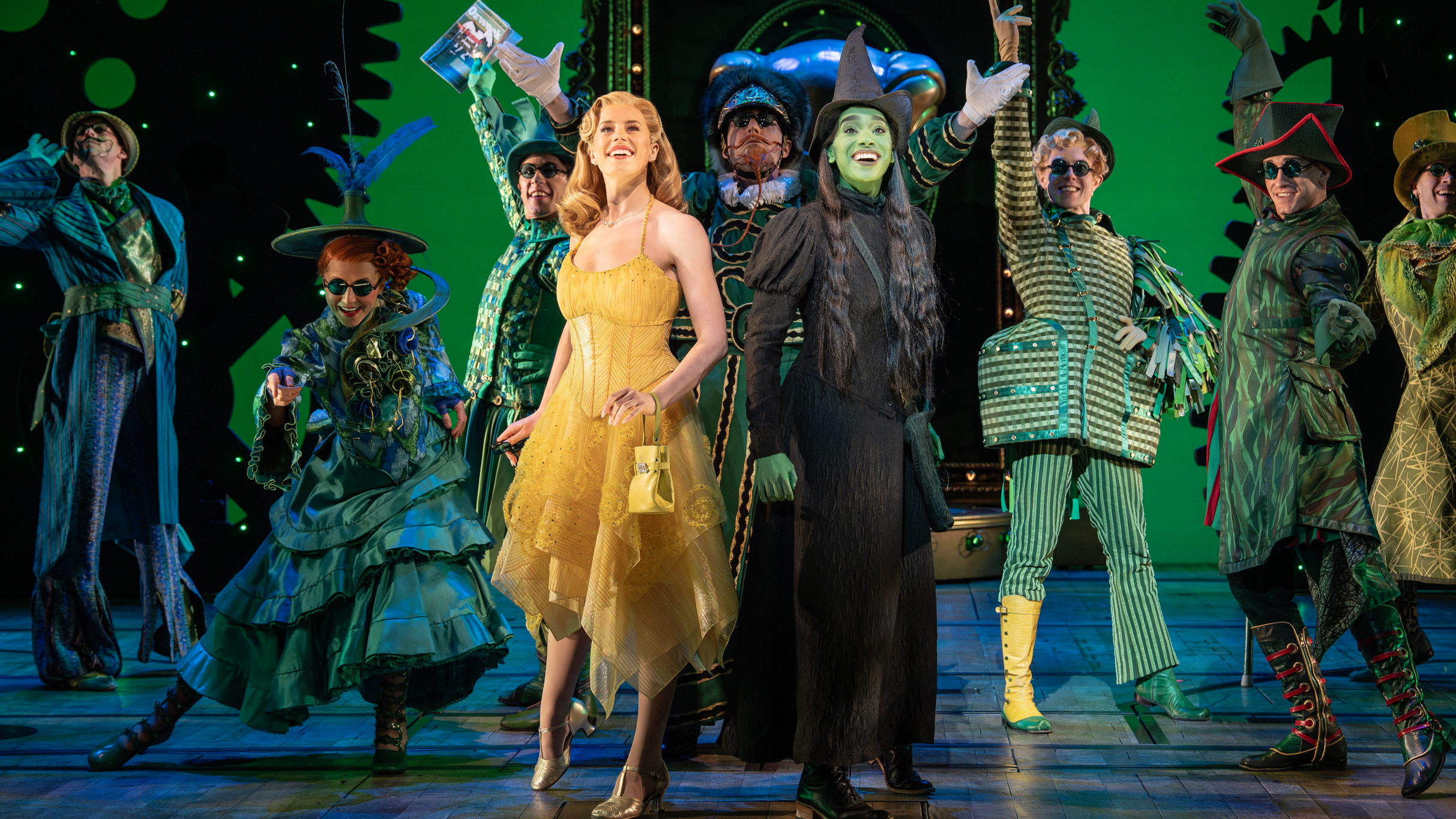
Wicked
Apr. 12, 2026
Candy Crafting at Cricket's Candy Creations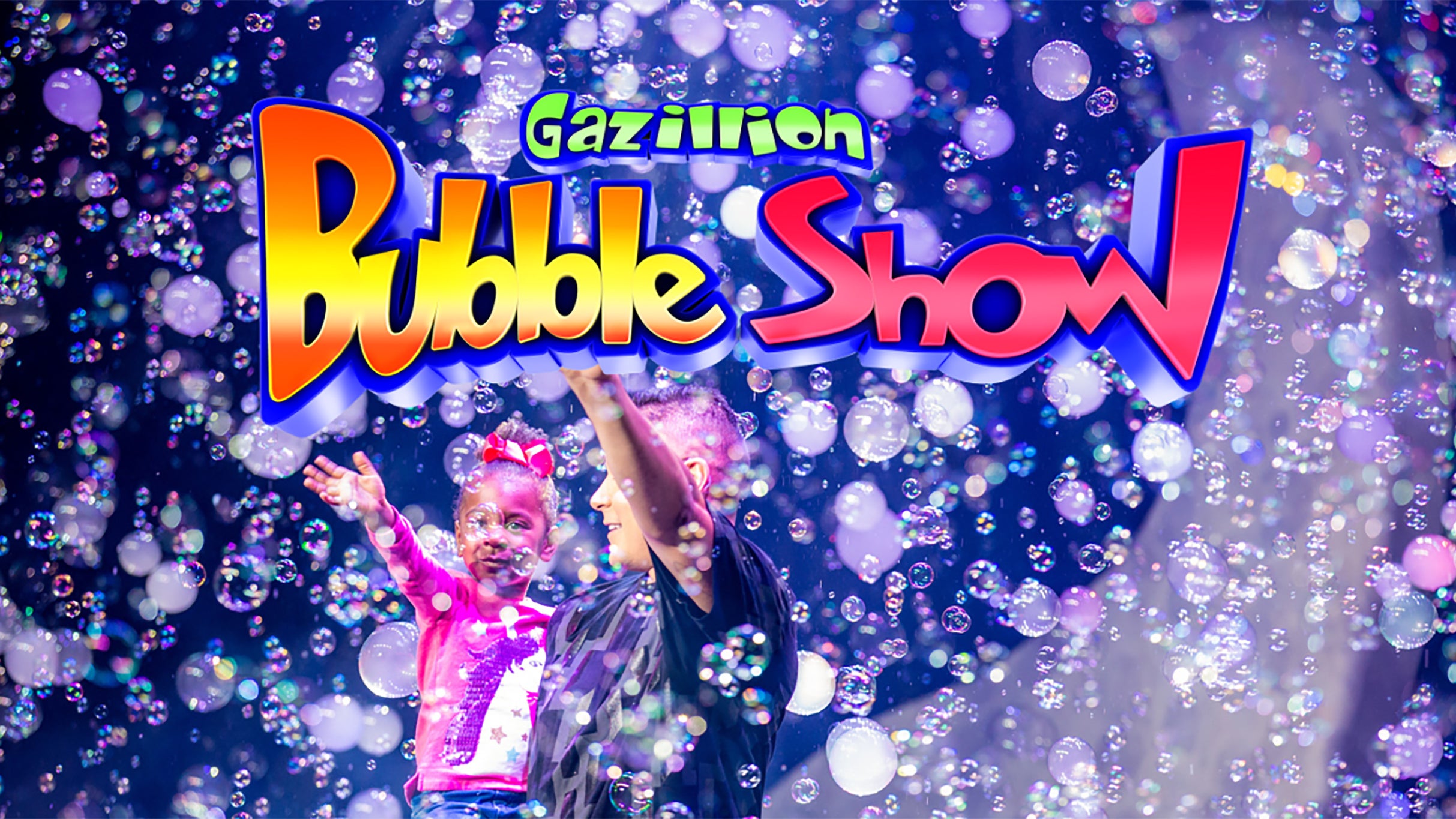
Apr. 12, 2026
The Gazillion Bubble Show