- Today
- Holidays
- Birthdays
- Reminders
- Cities
- Atlanta
- Austin
- Baltimore
- Berwyn
- Beverly Hills
- Birmingham
- Boston
- Brooklyn
- Buffalo
- Charlotte
- Chicago
- Cincinnati
- Cleveland
- Columbus
- Dallas
- Denver
- Detroit
- Fort Worth
- Houston
- Indianapolis
- Knoxville
- Las Vegas
- Los Angeles
- Louisville
- Madison
- Memphis
- Miami
- Milwaukee
- Minneapolis
- Nashville
- New Orleans
- New York
- Omaha
- Orlando
- Philadelphia
- Phoenix
- Pittsburgh
- Portland
- Raleigh
- Richmond
- Rutherford
- Sacramento
- Salt Lake City
- San Antonio
- San Diego
- San Francisco
- San Jose
- Seattle
- Tampa
- Tucson
- Washington
10 Early Photo Manipulations That Tricked the Eye
From the 19th and 20th centuries, these images reveal a history of photographic trickery, raising questions about the reliability of visual media.
Apr. 12, 2026 at 5:49am
Got story updates? Submit your updates here. ›
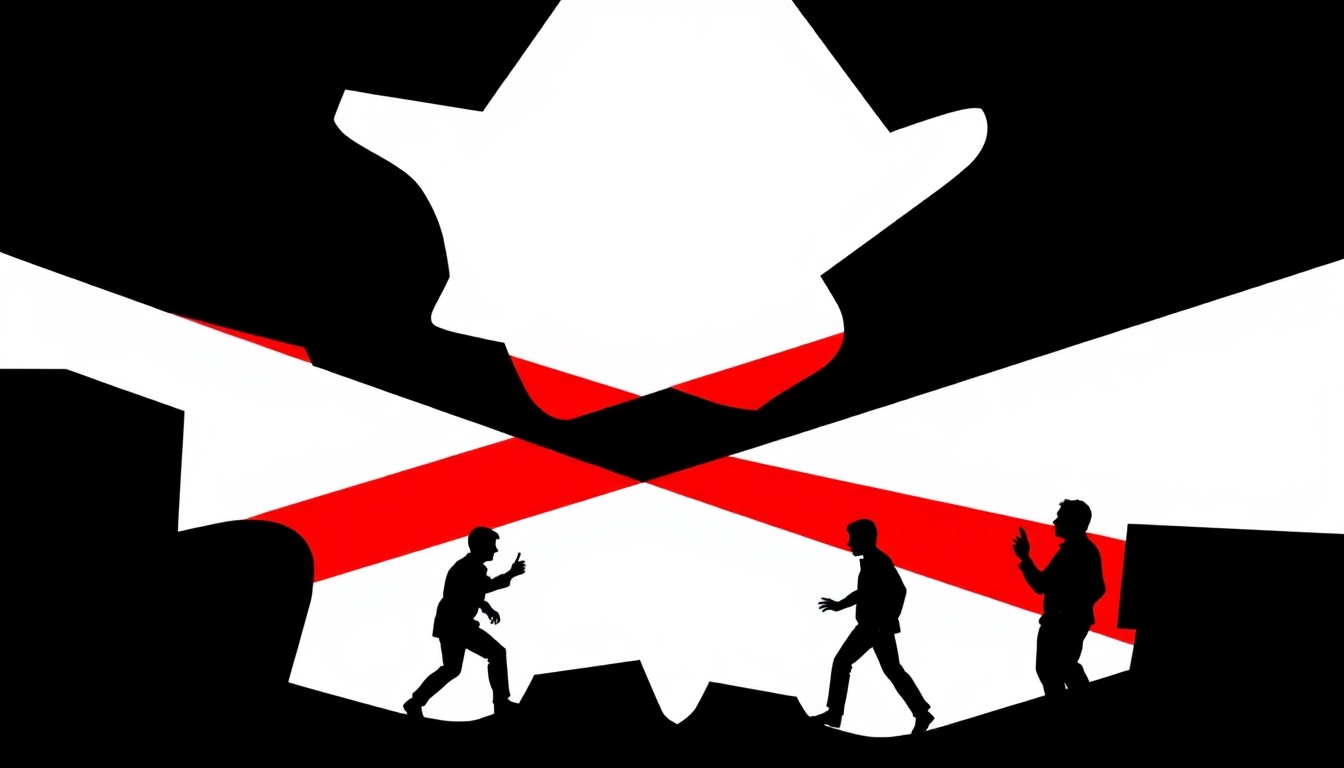 A striking visual metaphor for the early history of photographic manipulation, challenging the notion of visual media as a window to the past.NYC Today
The Rijksmuseum's exhibition 'Fake! Early Photo Collages and Photomontages from the Rijksmuseum Collection' explores how photographers have long used image manipulation techniques to fool their audiences, from collages created with scissors and glue to clever darkroom deceptions. This article highlights 10 captivating examples of early photographic trickery, showcasing how visual media has never truly told the whole truth.
Why it matters
This story provides a fascinating historical perspective on the origins of photographic manipulation, predating the modern era of AI-generated deepfakes and digital editing. It raises important questions about the reliability of visual media and challenges our assumptions about the objectivity of photography, an issue that remains highly relevant today as we grapple with the proliferation of misinformation and altered imagery.
The details
The article delves into 10 specific examples of early photo manipulations, ranging from 19th-century 'daydream' images that combined multiple exposures to 20th-century photomontages that played with scale and perspective. These techniques were used for a variety of purposes, from creating humorous illusions to crafting political propaganda. The story highlights how photographers have long enjoyed 'fooling their audiences' through these manipulative practices.
- The exhibition 'Fake! Early Photo Collages and Photomontages from the Rijksmuseum Collection' is on display at the Rijksmuseum in Amsterdam until May 25, 2026.
- The 10 photo manipulations featured in the article date from the 1860s to the 1940s.
The players
Rijksmuseum
The national museum of the Netherlands, located in Amsterdam, which is hosting the 'Fake!' exhibition exploring early photographic trickery.
Leonard de Koningh
A 19th-century photographer who created a comical 'memento mori' image by exposing a photographic plate in two stages to create an imperceptible transition between the two poses.
FM Hotchkiss
A photographer who created a cabinet card featuring a man's head that appears to have been removed and moved, playing with the image to create a 'pleasing puzzle' and black humor experience.
Theodor Eismann
A photographer who created a 'toekomstbeeld' (vision of the future) image in 1908 that envisioned a world where cars could fly over futuristic cityscapes.
John Heartfield
The artist name used by Helmut Herzfeld, who created a political photomontage in 1934 warning the working classes not to be fooled by Hitler's promises, comparable to modern political memes.
What’s next
The 'Fake!' exhibition at the Rijksmuseum in Amsterdam will be on display until May 25, 2026, providing an opportunity for visitors to explore this fascinating history of photographic trickery and manipulation.
The takeaway
This story highlights how the reliability of visual media has long been called into question, as photographers have used a variety of techniques over the past centuries to create illusions and manipulate reality. It serves as a reminder to approach all visual information, both historical and contemporary, with a critical eye and an understanding that the camera does not always capture the full truth.
New York top stories
New York events
Apr. 12, 2026
Wicked
Apr. 12, 2026
Candy Crafting at Cricket's Candy Creations
Apr. 12, 2026
The Gazillion Bubble Show