- Today
- Holidays
- Birthdays
- Reminders
- Cities
- Atlanta
- Austin
- Baltimore
- Berwyn
- Beverly Hills
- Birmingham
- Boston
- Brooklyn
- Buffalo
- Charlotte
- Chicago
- Cincinnati
- Cleveland
- Columbus
- Dallas
- Denver
- Detroit
- Fort Worth
- Houston
- Indianapolis
- Knoxville
- Las Vegas
- Los Angeles
- Louisville
- Madison
- Memphis
- Miami
- Milwaukee
- Minneapolis
- Nashville
- New Orleans
- New York
- Omaha
- Orlando
- Philadelphia
- Phoenix
- Pittsburgh
- Portland
- Raleigh
- Richmond
- Rutherford
- Sacramento
- Salt Lake City
- San Antonio
- San Diego
- San Francisco
- San Jose
- Seattle
- Tampa
- Tucson
- Washington
The Rise of AI-Generated Misinformation and the Dilemma of Bursting Bubbles
As AI-powered videos and memes become more realistic, the debate over when to alert friends to AI's involvement intensifies.
Apr. 11, 2026 at 10:50am
Got story updates? Submit your updates here. ›
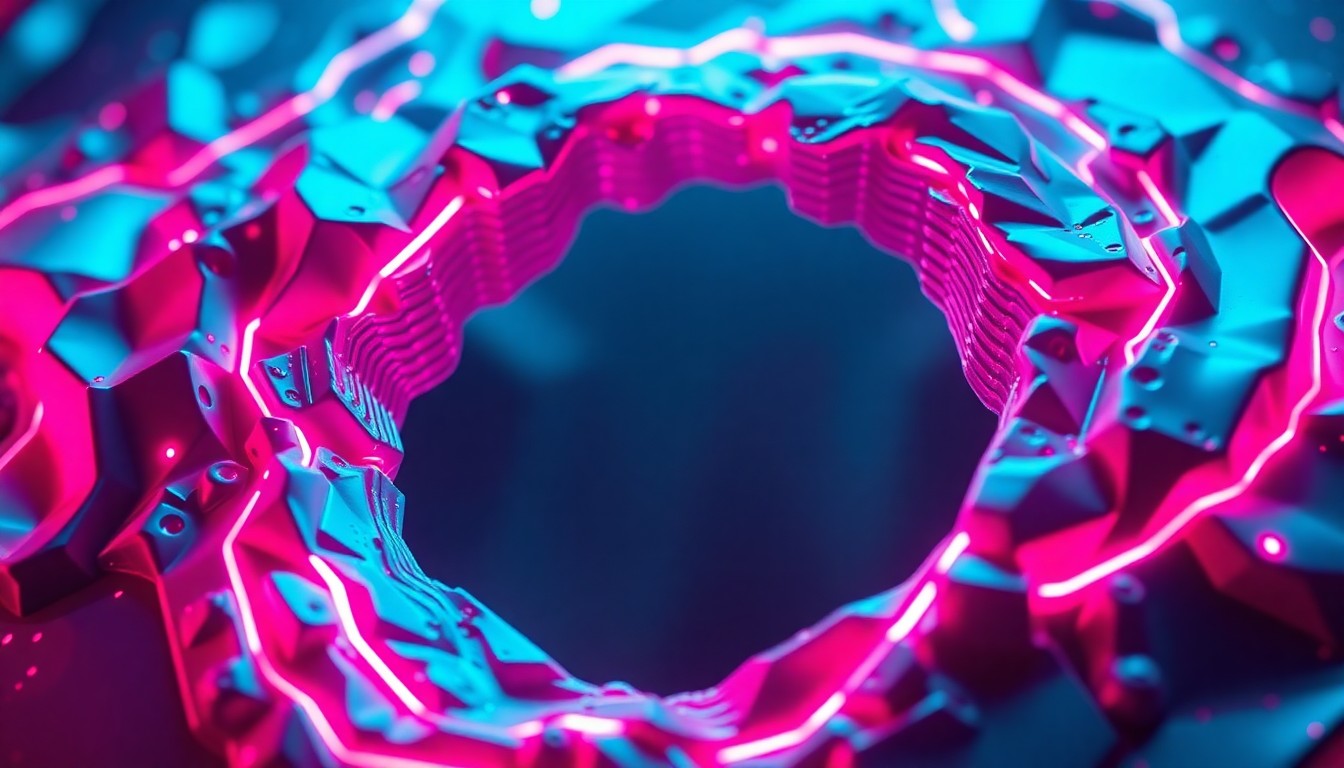 As AI-generated visuals become increasingly convincing, the debate over when to alert friends about digital deception intensifies.NYC Today
The article explores the growing prevalence of AI-generated content, from hilarious dancing raccoon videos to hyper-realistic 3D street art illusions, and the dilemma it poses for social media users. Should we burst our friends' bubbles when they unknowingly share AI-created content, or let them enjoy the harmless fun? The piece delves into the potential dangers of unchecked AI misinformation, drawing parallels to the initial underestimation of COVID-19, and the need to balance awareness with preserving a sense of wonder.
Why it matters
As AI technology becomes more advanced and realistic, the ability to discern truth from fiction is becoming increasingly challenging. This raises concerns about the spread of misinformation and the potential for AI to be used to manipulate people's perceptions of reality. The article explores the social and ethical implications of this shift, and the need to find a balance between enjoying the entertainment value of AI-generated content and maintaining a critical eye towards its potential dangers.
The details
The article uses the example of an Instagram reel showing a hyper-realistic 3D hole, causing passersby to panic and stumble. When the viewer shares this video with a friend, they are shocked to learn that it is entirely AI-generated, with no real street artist or physical hole. This scenario highlights the growing prevalence of AI-powered content that can deceive and manipulate people's senses. The article also discusses the dilemma of whether to alert friends to the AI involvement, potentially bursting their bubble and making them feel foolish, or letting them enjoy the content without questioning its origins.
- The article was published on April 11, 2026.
The players
Matt Shumer
An AI expert who has written a viral essay drawing a parallel between the current underestimation of AI's potential impact and the initial underestimation of the COVID-19 virus.
What’s next
The article suggests that as AI technology becomes more advanced, the ability to discern truth from fiction will become increasingly challenging. This raises concerns about the spread of misinformation and the potential for AI to be used to manipulate people's perceptions of reality. The article calls for a need to find a balance between enjoying the entertainment value of AI-generated content and maintaining a critical eye towards its potential dangers.
The takeaway
The rise of AI-generated content, from realistic videos to manipulative memes, poses a growing challenge for social media users. While these technologies can provide entertainment and connection, they also carry the risk of spreading misinformation and undermining our sense of reality. This article encourages readers to approach AI-powered content with a critical eye, balancing the enjoyment of harmless fun with the need to be aware of the potential dangers of unchecked AI misinformation.
New York top stories


New York events
Apr. 11, 2026
Hamilton
Apr. 11, 2026
Hadestown
Apr. 11, 2026
Candy Crafting at Cricket's Candy Creations