- Today
- Holidays
- Birthdays
- Reminders
- Cities
- Atlanta
- Austin
- Baltimore
- Berwyn
- Beverly Hills
- Birmingham
- Boston
- Brooklyn
- Buffalo
- Charlotte
- Chicago
- Cincinnati
- Cleveland
- Columbus
- Dallas
- Denver
- Detroit
- Fort Worth
- Houston
- Indianapolis
- Knoxville
- Las Vegas
- Los Angeles
- Louisville
- Madison
- Memphis
- Miami
- Milwaukee
- Minneapolis
- Nashville
- New Orleans
- New York
- Omaha
- Orlando
- Philadelphia
- Phoenix
- Pittsburgh
- Portland
- Raleigh
- Richmond
- Rutherford
- Sacramento
- Salt Lake City
- San Antonio
- San Diego
- San Francisco
- San Jose
- Seattle
- Tampa
- Tucson
- Washington
Chronic Kidney Disease Surges Worldwide, Straining Healthcare Systems
New study reveals CKD now affects 788 million people globally, becoming a top 10 cause of death.
Apr. 11, 2026 at 9:08am
Got story updates? Submit your updates here. ›
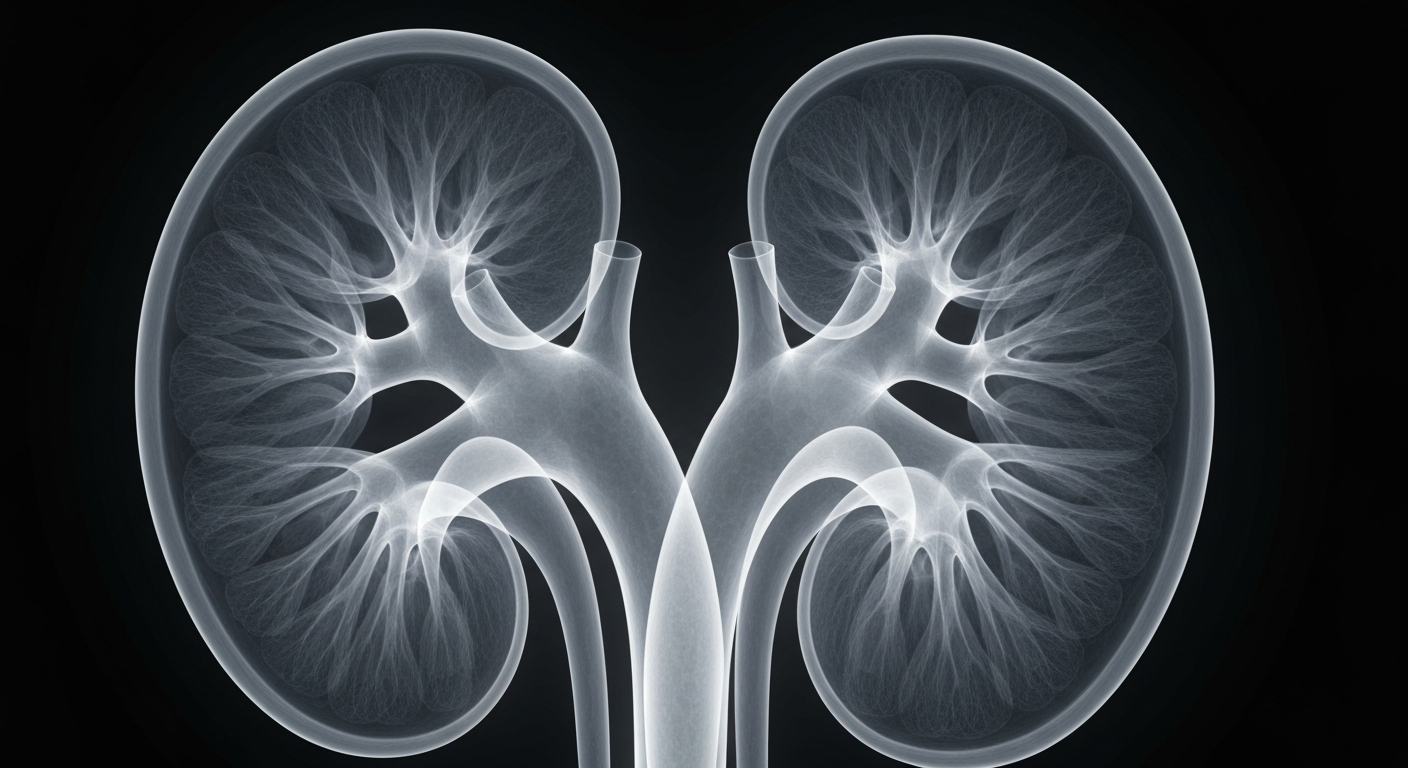 A detailed X-ray view of the human kidney highlights the complex internal structures at the heart of the global chronic kidney disease crisis.NYC Today
A comprehensive study published in The Lancet has uncovered a disturbing trend: chronic kidney disease (CKD) is spreading rapidly worldwide, surpassing the capabilities of healthcare systems to effectively diagnose and treat it. The number of people affected by CKD has more than doubled since 1990, reaching 788 million in 2023, and it is now a top 10 cause of death globally.
Why it matters
CKD's rise as a major public health crisis is concerning, as the condition is often underdiagnosed and undertreated, particularly in low-resource regions. The strong link between CKD and cardiovascular disease also highlights the need for earlier intervention and improved access to essential care to curb the growing toll of this disease.
The details
The study, led by experts from NYU Langone Health, the University of Glasgow, and the Institute for Health Metrics and Evaluation (IHME), found that CKD now accounts for an estimated 1.5 million deaths per year worldwide. This represents a 6% increase in the death toll linked to kidney dysfunction over the past three decades. High blood sugar, high blood pressure, and elevated body mass index are the most consistent risk factors for CKD.
- The study's findings are based on data collected from 1990 to 2023.
- CKD was added to the World Health Organization's priority list earlier this year.
The players
Dr. Josef Coresh
Co-senior author of the study and director of the Optimal Aging Institute at NYU Langone.
Dr. Morgan Grams
Co-lead author of the study.
Institute for Health Metrics and Evaluation (IHME)
A global health research center that collaborated on the study.
What they’re saying
“Our work shows that CKD is common, deadly, and getting worse as a major public health issue.”
— Dr. Josef Coresh, Co-senior author of the study
“CKD is underdiagnosed and undertreated.”
— Dr. Morgan Grams, Co-lead author of the study
What’s next
The World Health Organization has recognized the severity of CKD and added it to its priority list earlier this year, aiming to reduce early deaths from non-contagious diseases. Researchers emphasize the need for earlier detection and improved access to essential care to curb the rising toll of this disease.
The takeaway
The rapid global spread of chronic kidney disease, now affecting over 788 million people, has become a major public health crisis that is straining healthcare systems worldwide. Addressing the underlying risk factors and improving early detection and treatment access are crucial to mitigating the growing burden of this deadly condition.
New York top stories



New York events

Apr. 11, 2026
Hamilton
Apr. 11, 2026
Hadestown
Apr. 11, 2026
Candy Crafting at Cricket's Candy Creations