- Today
- Holidays
- Birthdays
- Reminders
- Cities
- Atlanta
- Austin
- Baltimore
- Berwyn
- Beverly Hills
- Birmingham
- Boston
- Brooklyn
- Buffalo
- Charlotte
- Chicago
- Cincinnati
- Cleveland
- Columbus
- Dallas
- Denver
- Detroit
- Fort Worth
- Houston
- Indianapolis
- Knoxville
- Las Vegas
- Los Angeles
- Louisville
- Madison
- Memphis
- Miami
- Milwaukee
- Minneapolis
- Nashville
- New Orleans
- New York
- Omaha
- Orlando
- Philadelphia
- Phoenix
- Pittsburgh
- Portland
- Raleigh
- Richmond
- Rutherford
- Sacramento
- Salt Lake City
- San Antonio
- San Diego
- San Francisco
- San Jose
- Seattle
- Tampa
- Tucson
- Washington
Bariatric Surgery Outperforms Ozempic for Weight Loss, Study Finds
NYU researchers reveal surgery leads to 5 times greater weight loss than popular diabetes drug.
Apr. 11, 2026 at 1:29am
Got story updates? Submit your updates here. ›
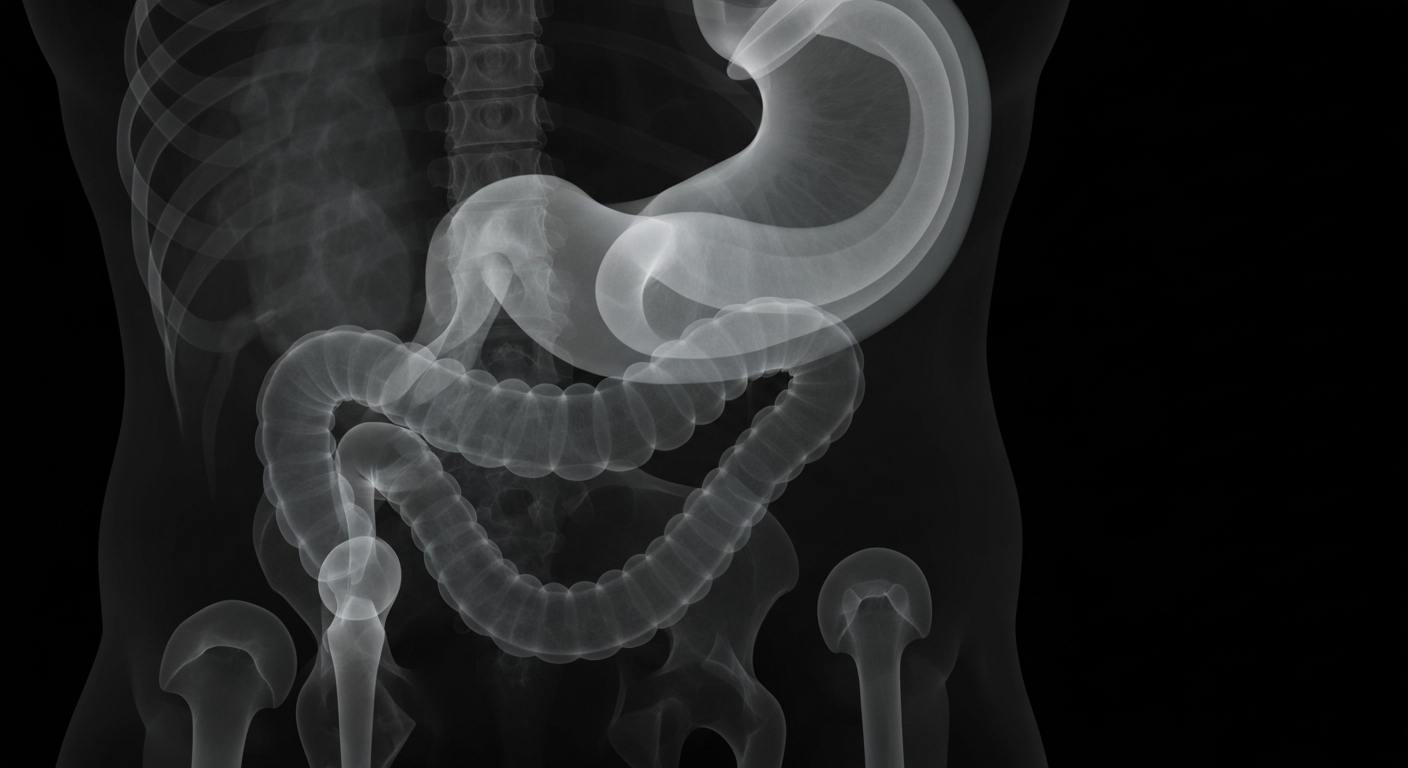 An X-ray view of the human digestive system reveals the dramatic physiological changes enabled by bariatric surgery, a far more effective weight loss solution than popular diabetes medications.NYC Today
A recent study from NYU has found that bariatric surgery, including sleeve gastrectomy and gastric bypass, is significantly more effective for weight loss than the popular diabetes drug Ozempic (semaglutide). Over a two-year period, the surgery group lost an average of 25.7% of their body weight, compared to only 5.3% for the medication group.
Why it matters
This study raises important questions about patient expectations and adherence when it comes to weight loss medications versus the more invasive but highly effective surgical options. While Ozempic and similar GLP-1 drugs have become increasingly popular, this research suggests bariatric surgery may be a better long-term solution for significant and sustained weight loss, especially for those who struggle with medication compliance.
The details
Researchers matched individuals who underwent bariatric surgery with those taking GLP-1 drugs like Ozempic, considering factors like age, BMI, and blood sugar levels. They found that over two years, the surgery group lost 25.7% of their body weight on average, compared to only 5.3% for the medication group. The researchers noted that real-world weight loss with GLP-1 drugs is often much lower than clinical trial results, even for patients prescribed the medication for a full year.
- The study was conducted by researchers at NYU in 2026.
- The findings were published on April 11, 2026.
The players
NYU
A private research university located in New York City that conducted the study comparing bariatric surgery and GLP-1 medications for weight loss.
Avery Brown
A surgical resident at NYU who pointed out that real-world weight loss with GLP-1 drugs is much lower than what clinical trials suggest.
Ann M. Rogers
The President of the American Society for Metabolic and Bariatric Surgery (ASMBS), who emphasized that while both medication and surgery lead to weight loss, surgery is far more effective and long-lasting.
Karan Chhabra
A bariatric surgeon who highlighted the need to optimize GLP-1 treatment outcomes, identify the best candidates for surgery, and understand the impact of out-of-pocket costs on treatment success.
What they’re saying
“Real-world weight loss with GLP-1 drugs is much lower than what clinical trials suggest, even for patients who have prescriptions for a full year.”
— Avery Brown, Surgical Resident, NYU
“While both methods lead to weight loss, surgery is far more effective and long-lasting.”
— Ann M. Rogers, President, American Society for Metabolic and Bariatric Surgery
“We need to optimize GLP-1 treatment outcomes, identify the best candidates for surgery, and understand the impact of out-of-pocket costs on treatment success.”
— Karan Chhabra, Bariatric Surgeon
What’s next
Researchers plan to further investigate the long-term outcomes and cost-effectiveness of bariatric surgery compared to GLP-1 medications, as well as explore ways to improve adherence and patient selection for both treatment options.
The takeaway
This study highlights the significant weight loss advantages of bariatric surgery over popular diabetes medications like Ozempic, raising questions about patient expectations and the need to consider surgical options more seriously for those struggling with obesity and related health issues.
New York top stories



New York events

Apr. 11, 2026
Hamilton
Apr. 11, 2026
Hadestown
Apr. 11, 2026
Candy Crafting at Cricket's Candy Creations