- Today
- Holidays
- Birthdays
- Reminders
- Cities
- Atlanta
- Austin
- Baltimore
- Berwyn
- Beverly Hills
- Birmingham
- Boston
- Brooklyn
- Buffalo
- Charlotte
- Chicago
- Cincinnati
- Cleveland
- Columbus
- Dallas
- Denver
- Detroit
- Fort Worth
- Houston
- Indianapolis
- Knoxville
- Las Vegas
- Los Angeles
- Louisville
- Madison
- Memphis
- Miami
- Milwaukee
- Minneapolis
- Nashville
- New Orleans
- New York
- Omaha
- Orlando
- Philadelphia
- Phoenix
- Pittsburgh
- Portland
- Raleigh
- Richmond
- Rutherford
- Sacramento
- Salt Lake City
- San Antonio
- San Diego
- San Francisco
- San Jose
- Seattle
- Tampa
- Tucson
- Washington
Solar Flare Triggers Radio Blackout, Raising Concerns for Artemis 2 Launch
The powerful X1.4 solar flare could disrupt communications and pose risks for NASA's upcoming crewed lunar mission.
Apr. 10, 2026 at 4:57pm
Got story updates? Submit your updates here. ›
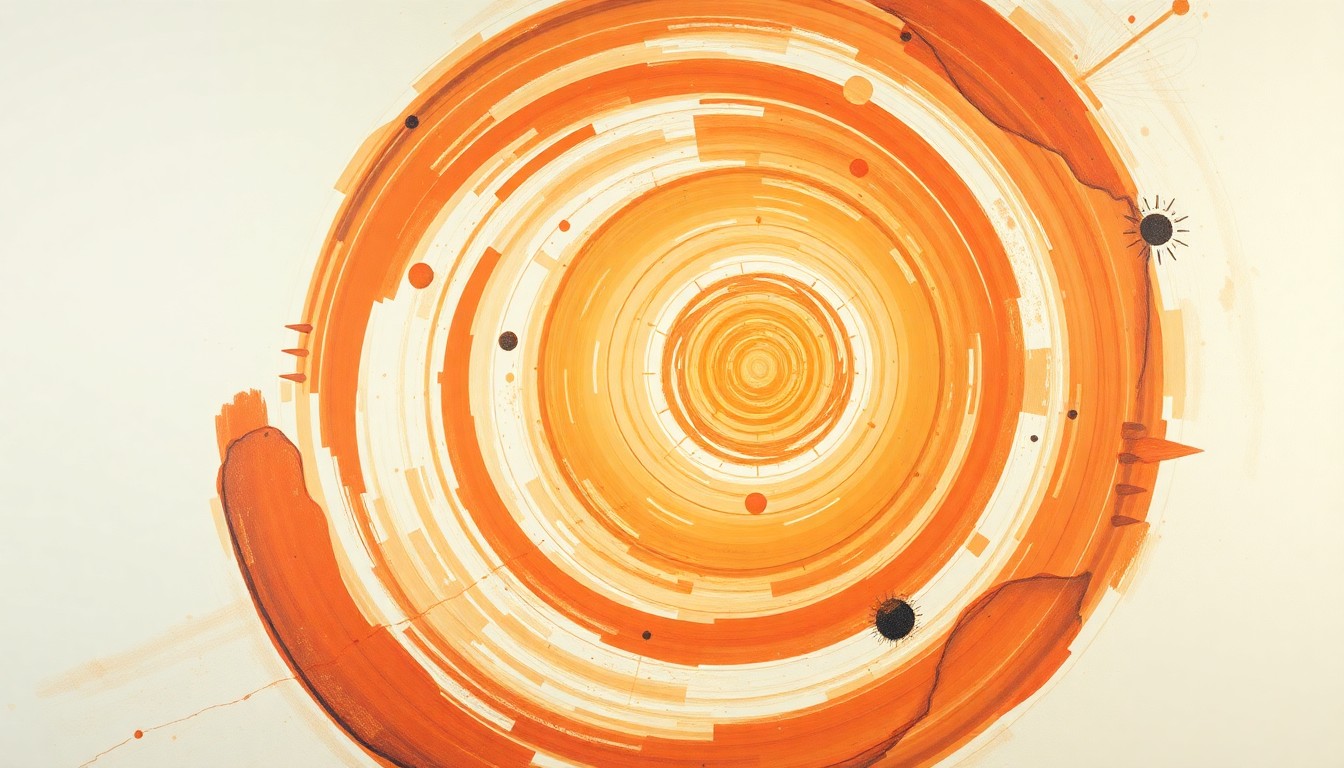 A powerful solar flare's impact on Earth's communications and the upcoming Artemis 2 mission highlights the fragility of our technological infrastructure in the face of cosmic forces.NYC Today
A powerful X1.4 solar flare erupted on March 30th, causing a global radio blackout and raising concerns about potential impacts on NASA's upcoming Artemis 2 mission, the first crewed lunar flight in over 50 years. The solar event also triggered a coronal mass ejection that could lead to geomagnetic storms, potentially damaging satellites, power grids, and spacecraft electronics. While the flare's immediate impact was a temporary communications disruption, the broader space weather implications have space agencies on high alert as they prepare for the critical Artemis 2 launch.
Why it matters
Solar flares and the resulting space weather events can pose significant risks to space exploration missions, satellite operations, and even ground-based infrastructure like power grids. The timing of this powerful X-class flare, just days before the Artemis 2 launch, has heightened concerns about the potential impacts on the mission's critical communications and navigation systems during launch and early orbit operations.
The details
The X1.4 solar flare originated from an active sunspot region that is now rotating into direct view of Earth, meaning further eruptions could have even more direct consequences. The flare triggered a coronal mass ejection (CME), a massive cloud of charged particles that can disrupt satellite operations, damage power grids, and interfere with the delicate electronics aboard spacecraft like Artemis 2. While the immediate impact was a radio blackout, the potential for geomagnetic storms poses a more serious long-term threat.
- The X1.4 solar flare erupted on March 30, 2026.
- The Artemis 2 mission is scheduled to launch in the coming days.
The players
Tamitha Skov
A solar physicist who has highlighted the vulnerability of radio communications during critical launch phases and early orbit maneuvers for the Artemis 2 mission.
NASA
The U.S. space agency that is closely monitoring the solar activity and its potential impacts on the upcoming Artemis 2 lunar mission.
What they’re saying
“Imagine the complexity of coordinating a lunar mission with potential communication blackouts – it's like trying to conduct an orchestra with a constantly cutting sound system.”
— Tamitha Skov, Solar physicist
What’s next
NASA is closely monitoring the situation and will be taking all necessary precautions to ensure the safety of the Artemis 2 mission in the face of the ongoing solar activity. The agency is also working to improve space weather forecasting and preparedness to better protect future space exploration efforts.
The takeaway
This solar flare event serves as a powerful reminder of the fragility of our technological infrastructure and the need for robust space weather monitoring and mitigation strategies as we push the boundaries of human exploration beyond Earth's orbit. The potential risks posed by solar activity underscore the importance of continued investment in space weather research and preparedness.
New York top stories



New York events
Apr. 10, 2026
Hamilton
Apr. 10, 2026
MSG Boxing Presents Ring Masters Championships
Apr. 10, 2026
Wicked (NY)