- Today
- Holidays
- Birthdays
- Reminders
- Cities
- Atlanta
- Austin
- Baltimore
- Berwyn
- Beverly Hills
- Birmingham
- Boston
- Brooklyn
- Buffalo
- Charlotte
- Chicago
- Cincinnati
- Cleveland
- Columbus
- Dallas
- Denver
- Detroit
- Fort Worth
- Houston
- Indianapolis
- Knoxville
- Las Vegas
- Los Angeles
- Louisville
- Madison
- Memphis
- Miami
- Milwaukee
- Minneapolis
- Nashville
- New Orleans
- New York
- Omaha
- Orlando
- Philadelphia
- Phoenix
- Pittsburgh
- Portland
- Raleigh
- Richmond
- Rutherford
- Sacramento
- Salt Lake City
- San Antonio
- San Diego
- San Francisco
- San Jose
- Seattle
- Tampa
- Tucson
- Washington
NYC Backs 'Delivery Protection' Law Opposed By Amazon Coalition
The legislation aims to address labor violations and unsafe working conditions caused by the current third-party delivery model used by Amazon and other online retailers.
Apr. 10, 2026 at 9:04am
Got story updates? Submit your updates here. ›
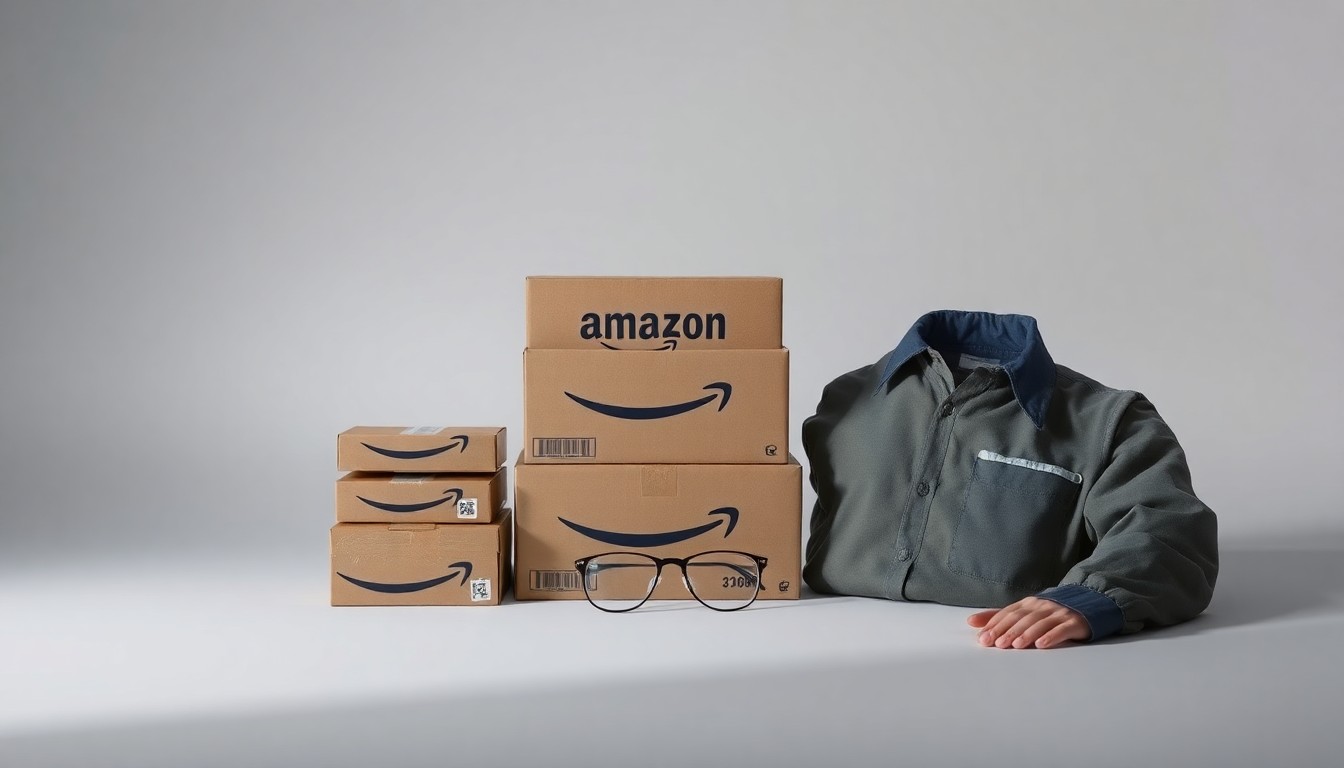 As tensions escalate over the impacts of Amazon's delivery model, a minimalist studio still life captures the abstract corporate forces behind the 'last-mile' delivery industry.NYC Today
The New York City administration has officially endorsed a City Council bill that would require e-commerce companies to directly hire and pay delivery workers, drawing fierce opposition from an Amazon-backed coalition. The 'delivery protection act' aims to address labor violations and unsafe working conditions caused by the current third-party delivery model used by Amazon and other online retailers.
Why it matters
This legislation is a direct challenge to Amazon's delivery practices, which critics say prioritize speed over worker safety and allow the company to avoid responsibility for the actions of its contracted delivery drivers. The outcome could set a precedent for how cities regulate the growing 'last-mile' delivery industry.
The details
The bill, known as Intro 518, would force companies to directly employ delivery workers, keep driver safety records, and provide training on pedestrian safety. It comes after a city comptroller report found a 10% increase in crashes around 14 out of 18 new 'last-mile' delivery facilities. An Amazon-aligned coalition called New York Delivers bused in dozens of contracted delivery workers to testify against the bill, providing them with $70 Uber vouchers. However, the city's Department of Consumer and Worker Protection has backed the legislation, arguing the current model 'externalizes costs' and leads to worker exploitation.
- The City Council held a hearing on Intro 518 on Thursday, April 10, 2026.
- A city comptroller report on increased crashes around last-mile warehouses was released last year.
The players
Zohran Mamdani
The mayor of New York City, who has officially endorsed the 'delivery protection act'.
New York Delivers
A coalition of trade groups and chambers of commerce with ties to Amazon, which organized a rally against the delivery worker protection bill.
Carlos Ortiz
The chief of staff for the Department of Consumer and Worker Protection, which testified in support of the bill.
Tiffany Cabán
A City Council member who is a co-sponsor of the 'delivery protection act'.
Ira Pollack
A former Amazon worker who testified about the company's 'obsession with speed' endangering drivers and the public.
What they’re saying
“Last-mile facilities frequently subcontract much of their core delivery work instead of hiring their own employees to do the work. This model externalizes costs, as well as liabilities, which can lead to labor violations and the exploitation of workers in unsafe working environments.”
— Carlos Ortiz, Chief of Staff, Department of Consumer and Worker Protection
“I witnessed first hand how Amazon's obsession with speed endangers drivers and the public. In a rush to get packages on the road as quickly as possible, Amazon — managers, not just the DSP owners — sends vans speeding all over the loading area where workers are on foot.”
— Ira Pollack, Former Amazon worker
What’s next
The City Council is expected to vote on Intro 518 in the coming weeks. If passed, the bill would then go to Mayor Mamdani for final approval.
The takeaway
This case highlights the growing tensions between tech companies' delivery models and worker protections, as cities seek to address labor violations and public safety concerns caused by the rapid expansion of 'last-mile' logistics.
New York top stories


New York events

Apr. 10, 2026
Hamilton
Apr. 10, 2026
MSG Boxing Presents Ring Masters Championships
Apr. 10, 2026
Wicked (NY)