- Today
- Holidays
- Birthdays
- Reminders
- Cities
- Atlanta
- Austin
- Baltimore
- Berwyn
- Beverly Hills
- Birmingham
- Boston
- Brooklyn
- Buffalo
- Charlotte
- Chicago
- Cincinnati
- Cleveland
- Columbus
- Dallas
- Denver
- Detroit
- Fort Worth
- Houston
- Indianapolis
- Knoxville
- Las Vegas
- Los Angeles
- Louisville
- Madison
- Memphis
- Miami
- Milwaukee
- Minneapolis
- Nashville
- New Orleans
- New York
- Omaha
- Orlando
- Philadelphia
- Phoenix
- Pittsburgh
- Portland
- Raleigh
- Richmond
- Rutherford
- Sacramento
- Salt Lake City
- San Antonio
- San Diego
- San Francisco
- San Jose
- Seattle
- Tampa
- Tucson
- Washington
Neighborhood Quality Linked to Accelerated Aging
Study finds social and economic factors in one's community can impact biological age.
Apr. 10, 2026 at 7:00pm
Got story updates? Submit your updates here. ›
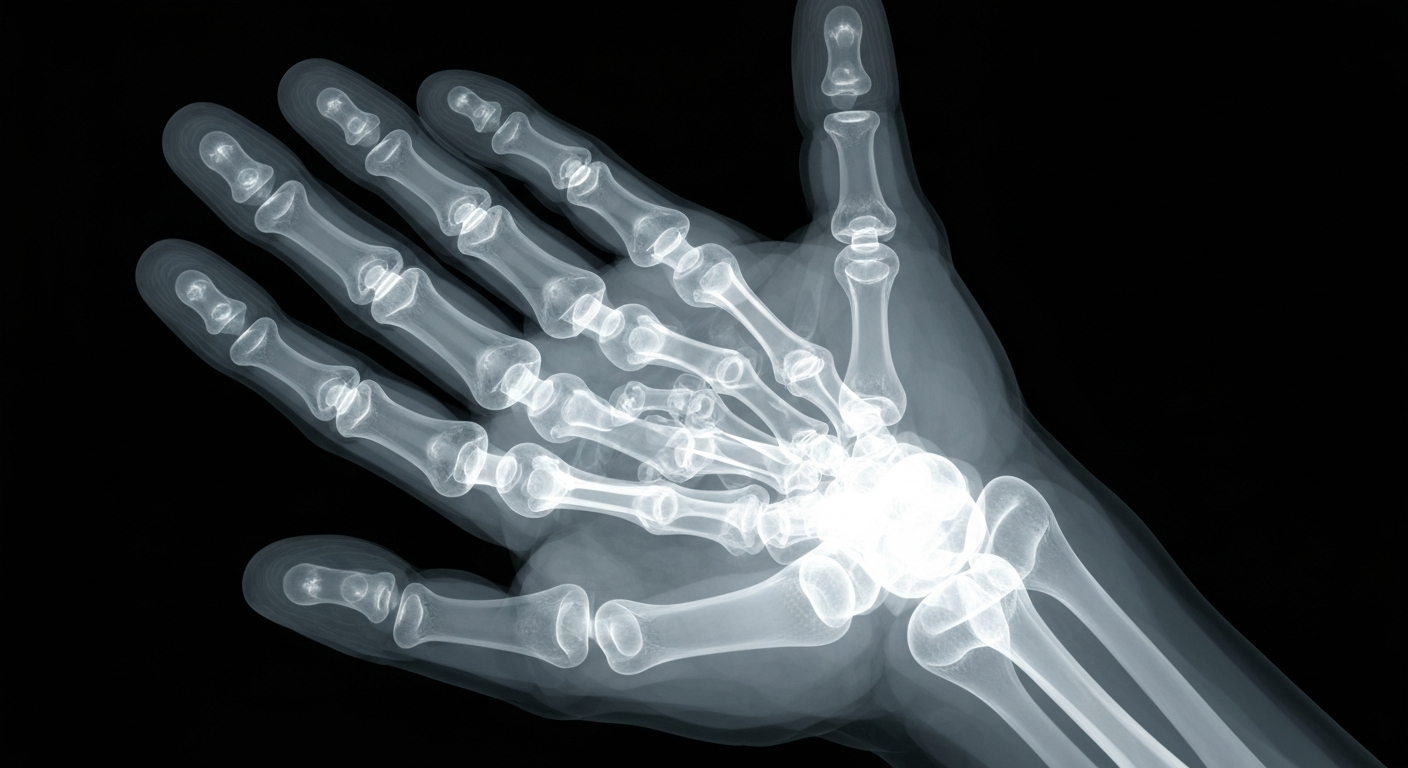 An X-ray view into the cellular structures of the human body, highlighting how one's neighborhood environment can become 'biologically embedded' over time.NYC Today
A new study from researchers at NYU School of Global Public Health has found that the quality of one's neighborhood can significantly impact biological aging. People living in underprivileged areas without access to green spaces, clean air, good schools, well-paying jobs, and affordable housing tend to experience accelerated aging compared to those in more privileged neighborhoods. The study analyzed data from over 1,200 adults and determined that social and economic factors were the primary drivers of this biological aging process.
Why it matters
This research highlights how the structural conditions of one's community can become 'biologically embedded' over time and influence long-term health outcomes. Addressing neighborhood-level disparities in resources and opportunities may be crucial for promoting healthy aging and reducing health inequities across populations.
The details
The study, published in the journal Social Science & Medicine, assessed 44 different measures of education, health, environment, social opportunity, and economic resources to evaluate the quality of participants' neighborhoods. Results showed that people living in poorer areas had significantly elevated markers of cellular aging compared to those from more privileged communities. Lead researcher Mariana Rodrigues noted that these findings suggest accelerated aging may be driven more by a lack of social and economic opportunities, rather than just environmental factors like education or health services.
- The study's findings were published in the June 2026 issue of the journal Social Science & Medicine.
The players
Adolfo Cuevas
An associate professor of social and behavioral sciences at NYU School of Global Public Health and the senior researcher on this study.
Mariana Rodrigues
A doctoral student at NYU School of Global Public Health and the lead researcher on this study.
What they’re saying
“Stressors related to income, jobs and housing are not occasional, but persistent conditions that shape daily life. Our findings suggest that chronic stress caused by economic deprivation and limited mobility may be the primary driver of cellular aging.”
— Adolfo Cuevas, Associate Professor
“Our health is shaped not only by individual behaviors, but also by the environments we live in. This study suggests that structural conditions may become biologically embedded and influence aging processes over time.”
— Mariana Rodrigues, Doctoral Student
What’s next
Future studies should examine specific community factors that could help buffer against the health risks associated with living in underprivileged neighborhoods.
The takeaway
This research underscores how the social and economic conditions of one's local environment can have profound impacts on biological aging and long-term health outcomes. Addressing neighborhood-level disparities in resources and opportunities may be a crucial step towards promoting healthy aging and reducing health inequities across populations.
New York top stories



New York events

Apr. 10, 2026
Hamilton
Apr. 10, 2026
MSG Boxing Presents Ring Masters Championships
Apr. 10, 2026
Wicked (NY)