- Today
- Holidays
- Birthdays
- Reminders
- Cities
- Atlanta
- Austin
- Baltimore
- Berwyn
- Beverly Hills
- Birmingham
- Boston
- Brooklyn
- Buffalo
- Charlotte
- Chicago
- Cincinnati
- Cleveland
- Columbus
- Dallas
- Denver
- Detroit
- Fort Worth
- Houston
- Indianapolis
- Knoxville
- Las Vegas
- Los Angeles
- Louisville
- Madison
- Memphis
- Miami
- Milwaukee
- Minneapolis
- Nashville
- New Orleans
- New York
- Omaha
- Orlando
- Philadelphia
- Phoenix
- Pittsburgh
- Portland
- Raleigh
- Richmond
- Rutherford
- Sacramento
- Salt Lake City
- San Antonio
- San Diego
- San Francisco
- San Jose
- Seattle
- Tampa
- Tucson
- Washington
Navigating the Public vs. Private Dilemma for Growing Companies
Experts weigh the pros and cons of IPOs, SPACs, and private financing for companies looking to scale up
Apr. 10, 2026 at 1:21am
Got story updates? Submit your updates here. ›
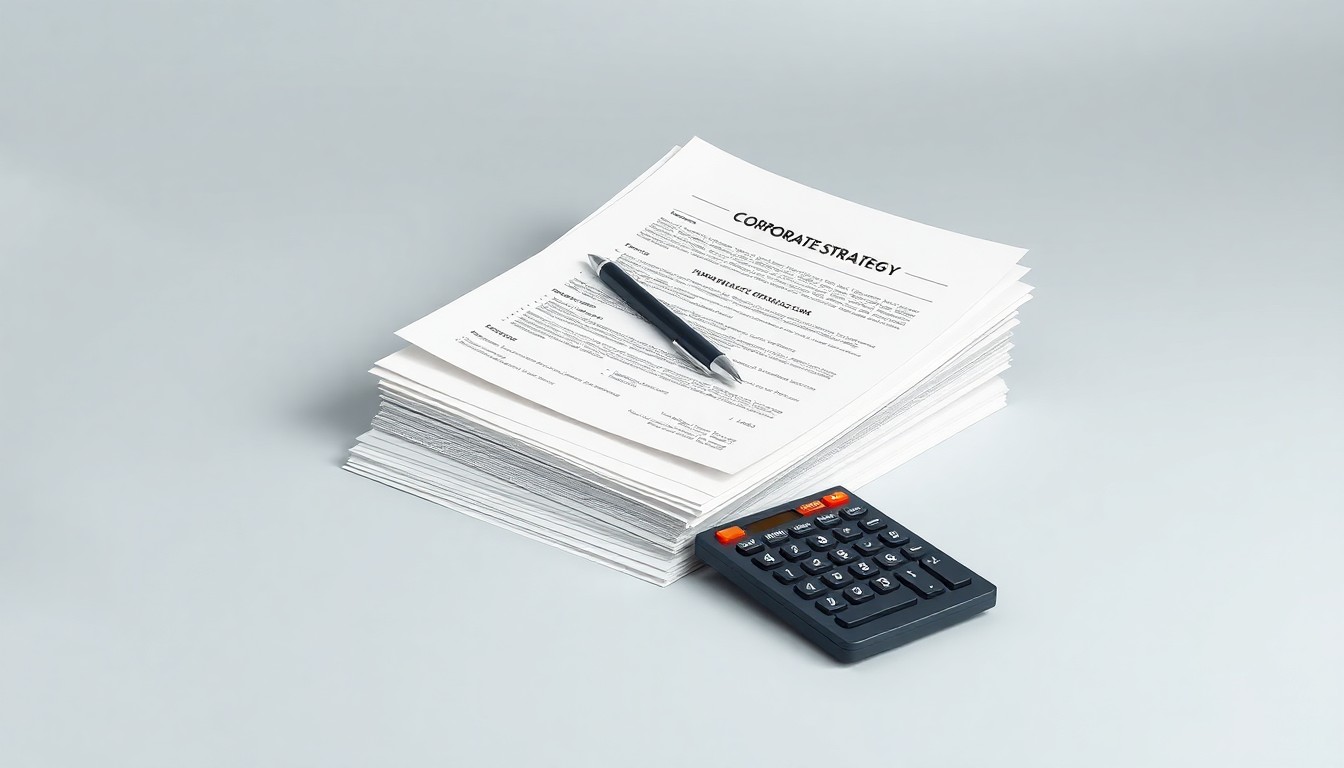 As companies weigh the pros and cons of public and private markets, the choice requires careful financial planning and strategic analysis.NYC Today
As the U.S. Securities and Exchange Commission aims to revive the IPO market, companies face a critical choice between going public through a traditional IPO or a SPAC deal, or remaining private and raising capital through private equity and venture capital. This guide from legal experts Bonnie Roe and Owen Kurtin examines the key considerations for companies at different stages of growth when deciding between public and private markets.
Why it matters
The decision to go public or stay private has major implications for a company's access to capital, regulatory compliance, shareholder structure, and long-term growth strategy. As the public and private markets continue to evolve, understanding the pros and cons of each path is crucial for companies navigating this pivotal choice.
The details
Traditional IPOs require extensive preparation, including getting financial statements in order, implementing governance practices, and building relationships with key advisors. The process typically takes at least a year and comes with significant regulatory burdens, but successful public companies gain valuable currency for acquisitions and executive compensation. De-SPAC transactions offer a potentially faster and less costly path to going public, but come with the risk of SPAC investors redeeming shares. Private placements through venture capital and private equity provide more flexibility and less oversight, but require careful negotiation of investor rights.
- The SEC has stated a goal of 'making IPOs great again' and streamlining reporting requirements for public companies.
- A large number of SPACs that went public in 2025 and early 2026 are expected to pursue de-SPAC transactions over the next two years.
The players
Paul S. Atkins
U.S. Securities and Exchange Commission (SEC) Chairman, who has stated a goal of reviving the IPO market by reducing burdens on public companies.
Bonnie Roe
Partner at Cohen & Gresser who leads the corporate securities practice and has over 30 years of experience advising public and private companies on capital markets, M&A, and other corporate matters.
Owen Kurtin
Partner at Cohen & Gresser who advises companies, investors, and financial institutions on corporate, commercial, and regulatory matters across technology-driven and highly regulated industries.
What they’re saying
“Making IPOs great again' is a stated goal of Paul S. Atkins, U.S. Securities and Exchange Commission (SEC) Chairman.”
— Paul S. Atkins, U.S. Securities and Exchange Commission (SEC) Chairman
“The principal drawback for a de-SPAC transaction is that the SPAC's investors generally have the right to redeem their shares in connection with the transaction, so that neither the target nor the SPAC can be sure of the amount of cash that will remain in the SPAC's escrow account after SPAC investors have exercised their redemption rights.”
— Bonnie Roe, Partner, Cohen & Gresser
What’s next
As the SEC continues its efforts to revive the IPO market, companies will need to closely monitor regulatory changes and market trends to determine the optimal path, whether that's a traditional IPO, a SPAC deal, or remaining in the private markets.
The takeaway
The decision to go public or stay private is a critical strategic choice that requires careful consideration of a company's stage of growth, access to capital, regulatory burden, and long-term goals. While the public markets offer greater prestige and liquidity, the private markets provide more flexibility and less oversight, and companies must weigh these tradeoffs to determine the best path forward.
New York top stories


New York events
Apr. 10, 2026
Hamilton
Apr. 10, 2026
MSG Boxing Presents Ring Masters Championships
Apr. 10, 2026
Wicked (NY)