- Today
- Holidays
- Birthdays
- Reminders
- Cities
- Atlanta
- Austin
- Baltimore
- Berwyn
- Beverly Hills
- Birmingham
- Boston
- Brooklyn
- Buffalo
- Charlotte
- Chicago
- Cincinnati
- Cleveland
- Columbus
- Dallas
- Denver
- Detroit
- Fort Worth
- Houston
- Indianapolis
- Knoxville
- Las Vegas
- Los Angeles
- Louisville
- Madison
- Memphis
- Miami
- Milwaukee
- Minneapolis
- Nashville
- New Orleans
- New York
- Omaha
- Orlando
- Philadelphia
- Phoenix
- Pittsburgh
- Portland
- Raleigh
- Richmond
- Rutherford
- Sacramento
- Salt Lake City
- San Antonio
- San Diego
- San Francisco
- San Jose
- Seattle
- Tampa
- Tucson
- Washington
Judge Blocks Pentagon's Attempt to Restrict Journalist Access
Second ruling against Defense Secretary Hegseth's efforts to limit media coverage of the military complex.
Apr. 10, 2026 at 10:05am
Got story updates? Submit your updates here. ›
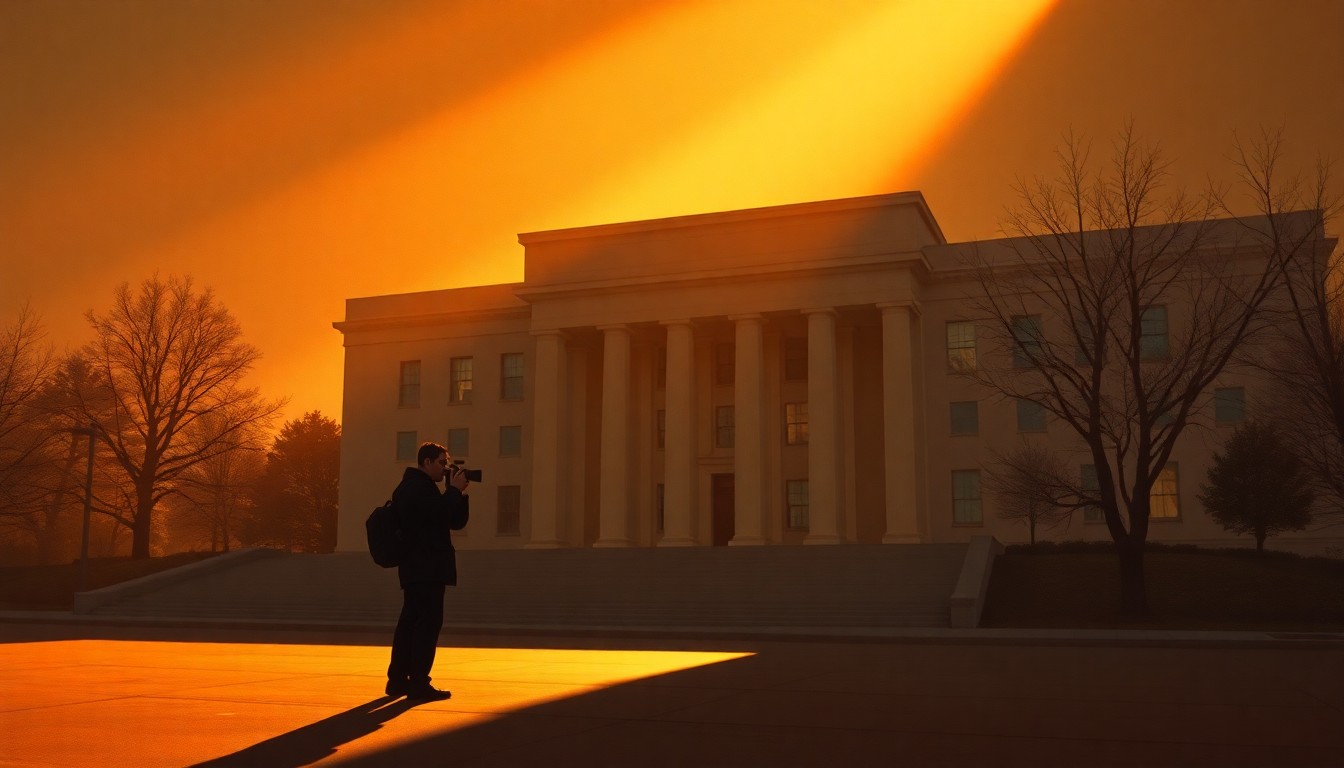 As tensions escalate between the military and the press, a solitary journalist stands vigil outside the Pentagon, a symbol of the ongoing struggle for transparency and press freedom.NYC Today
A federal judge has rejected the Pentagon's latest attempt to impose new restrictions on journalists holding credentials to cover the military, dealing another blow to Defense Secretary Pete Hegseth's efforts to control media access. The judge declared the proposed policy changes as unconstitutional and ordered the Pentagon to restore the access levels previously granted to New York Times reporters.
Why it matters
This ruling is the latest development in an ongoing dispute over press freedom and government transparency at the Pentagon. It highlights the tension between the military's desire for control and the media's role in holding the government accountable through independent reporting.
The details
The judge, Paul Friedman of the U.S. District Court for the District of Columbia, ruled that the Pentagon's new policy changes, which sought to restrict how journalists could interact with government sources, were unconstitutional. He also ordered the Pentagon to reinstate the press passes of several New York Times reporters that had been revoked. This is the second time Friedman has rejected parts of the Pentagon's press policy, having previously ruled that major aspects of the previous policy were also unconstitutional.
- On Thursday, April 10, 2026, the federal judge issued the ruling rejecting the Pentagon's latest attempt to restrict journalist access.
- Last month, in March 2026, the same judge had previously ruled that major parts of the Pentagon's previous press policy were unconstitutional.
The players
Pete Hegseth
The current U.S. Secretary of Defense, who has maintained an adversarial stance toward the press and taken steps to limit reporters' access to the Pentagon complex since taking office.
Paul Friedman
The U.S. District Court judge who has twice ruled against the Pentagon's attempts to restrict journalist access, declaring the policies as unconstitutional.
The New York Times
The news organization that sued the Pentagon over the restrictions, arguing they violated the First and Fifth Amendments.
What they’re saying
“Compliance with a lawful order of a court is not optional; it is required in a democracy committed to the rule of law.”
— New York Times spokesperson
“This ruling powerfully vindicates both the court's authority and the First Amendment's protections of independent journalism.”
— Theodore J. Boutrous Jr., First Amendment lawyer representing the New York Times
What’s next
The Pentagon has stated it disagrees with the ruling and plans to appeal the decision. The judge has ordered the Pentagon to submit a report by next Thursday certifying compliance with the requirements to restore journalist access levels.
The takeaway
This case highlights the ongoing tensions between the military's desire for control and the media's role in maintaining government transparency and accountability. The repeated rulings against the Pentagon's restrictive policies send a strong message about the importance of press freedom, even in sensitive national security matters.
New York top stories

New York events
Apr. 12, 2026
Wicked
Apr. 12, 2026
Candy Crafting at Cricket's Candy Creations
Apr. 12, 2026
The Gazillion Bubble Show